
European
Around the world - World Peace Conference, Prague 2016 (11/11)
1:00 - 1:09 (9 min)

Yoga in Daily Life – A Path to Non-Violence and World Peace: World Peace Conference, Prague, Czech Republic.
Around the world - World Peace Conference, Prague 2016 (2/11)
1:15 - 1:38 (23 min)
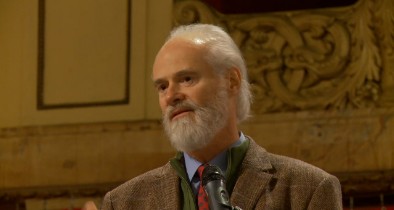
Yoga in Daily Life – A Path to Non-Violence and World Peace: World Peace Conference, Prague, Czech Republic.
We will go one day
1:45 - 2:28 (43 min)
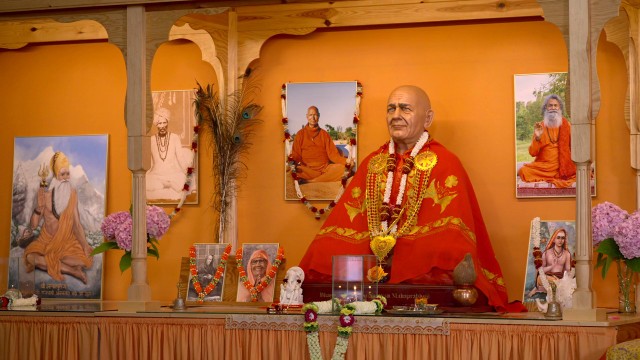
Evening satsang from Strilky Ashram, Czech Republic. We always worry about death. Death is a universal law. Our mind is always restless. We can train it by mantra. Manas is the storehouse of memories. Yogis are not attached to things. Only the bond between the disciple and the Guru is permanent. The story of a man who planned that when Yama came, he would hide somewhere. We should meditate always not only when we are in trouble. We should remember God every day, at least a little bit. Unfortunately present Indian generation is beginning to forget their roots. Birth and death come and go, but remember the name of God.
How can I love myself?
2:35 - 3:08 (33 min)
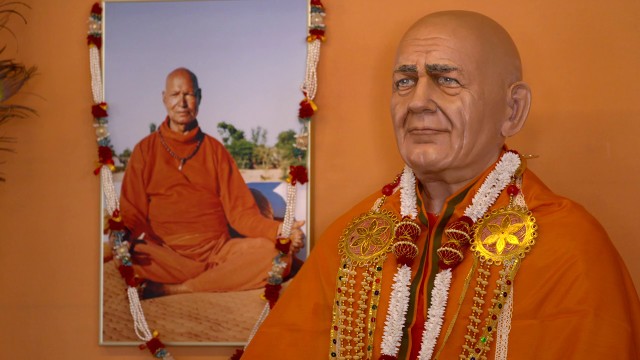
A satsang exploring the concept of self-love through the framework of the four aspects of divine grace (kripa).
"Swāmījī did not really use this word, but I know it comes from Holī Gurujī; he is always using that."
"Love each and every living being, if not more, then at least as much as yourself."
Guru Lilā, addressing the community, explains the four aspects of kripa: Deva Kripa (grace of the gods), Śāstra Kripa (grace of the scriptures), Guru Kripa (the Guru's grace), and Kuṭkī Kripa (self-grace). He focuses on Kuṭkī Kripa as self-love, arguing it is a prerequisite for loving others. He outlines a practical path to self-love through self-acceptance, self-understanding, and self-giving, linking it to core teachings. He shares an anecdote about a woman healing from ALS through self-love and concludes with a traditional story about Guru Nānak illustrating the complex workings of karma.
Filming location: Strilky, Czech Republic
The blessed day of Gurupurnima
3:15 - 3:55 (40 min)
Lecture from Vep, Hungary
Symbolical stories about Tat Tvam Asi and Ganesha
4:00 - 4:38 (38 min)
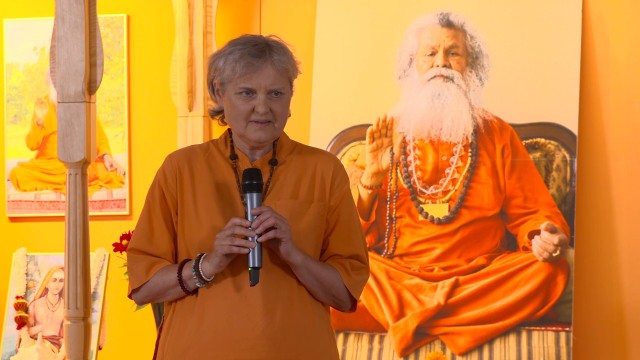
A satsang discourse weaving Upanishadic teachings with personal reflection on a spiritual name.
"The father explained that everything in the space comes from one cause. That cause is Brahma, or the Absolute."
"Gaṇeśa is the lord of these elements... What does it mean if someone is ruling over the elements? It means he is able to control, to balance, to harmonize all the elements."
Following opening prayers, the speaker narrates the Upanishadic story of a father teaching his son Śvetaketu the Mahāvākya "Tat Tvam Asi" (You are That), using analogies of clay, seeds, salt in water, and rivers in the ocean to illustrate the all-pervading Brahma. The discourse then shifts to a personal exploration of the speaker's name, Gajanant (Gaṇeśa), explaining its symbolism through Purāṇic stories, its role in bhajans as an invocation of the guru, and finally, its deepest meaning as the yogic principle that harmonizes the elements.
Filming location: Strilky, Czech Republic
Do everything with bhava
4:45 - 5:01 (16 min)
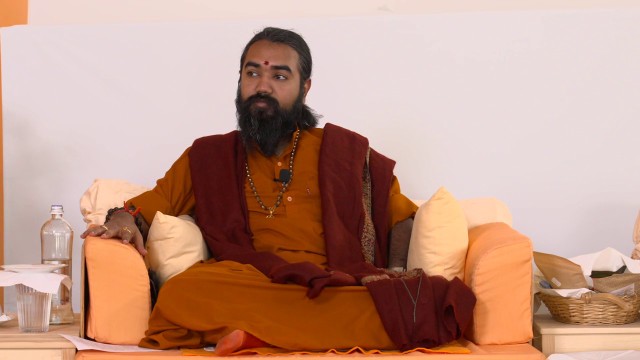
Morning satsang from Strilky Ashram, Czech Republic.Shravan month is for Lord Siva. The story of one of Siva's names nilkant. In this case, Siva symbolises our Gurudev. Siva is a merciful God.
The living heart of God
5:05 - 5:26 (21 min)
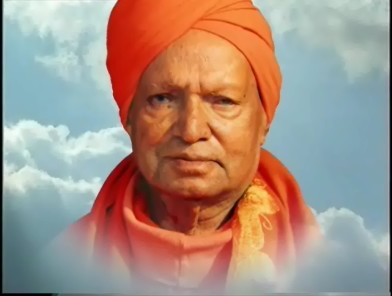
In Memory of His Holines Hindu Dharmasamrat Paramhansa Swami Madhavananda Puri.
Bhajans from Strilky
5:30 - 6:01 (31 min)
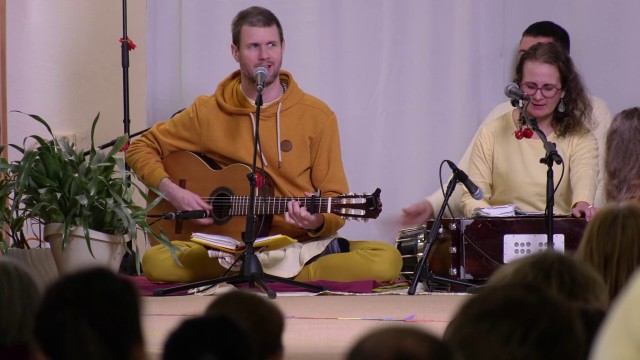
Bhajan singing from Strilky Ashram, Czech Republic.
Bhajan singing from Vep
6:05 - 6:32 (27 min)
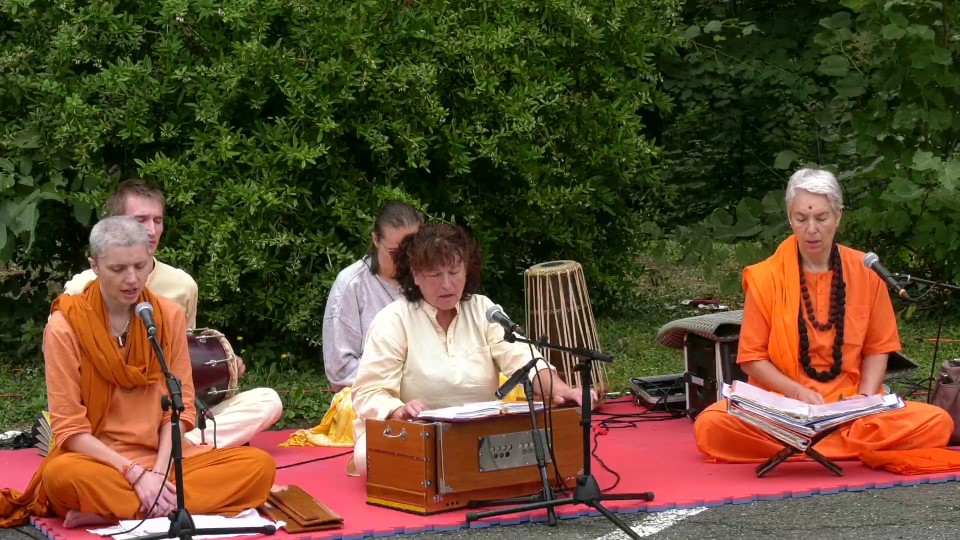
Morning satsang with Vishwaguruji from Vep, Hungary. Bhajan singing. Translation of the bhajan "Itna to karana Guruji"
Bhajans from Rijeka
6:40 - 7:00 (20 min)
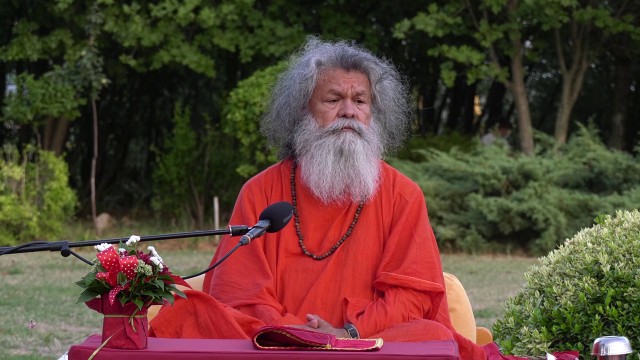
Evening satsang with Vishwaguruji from Rijeka Ashram, Croatia. Singing Bhajans.
Bhajans from Rijeka
7:05 - 7:33 (28 min)
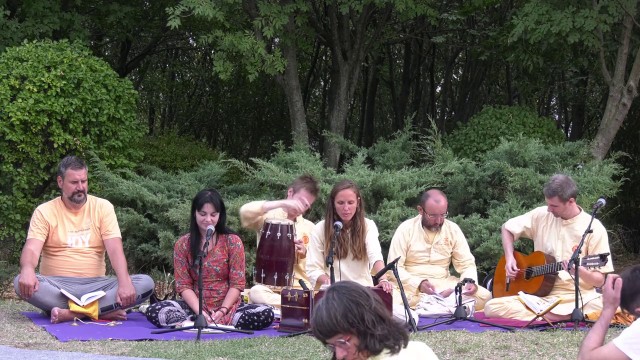
Evening satsang with Vishwaguruji from Rijeka Ashram, Croatia.
Bhajan evening from Vep
7:40 - 8:35 (55 min)
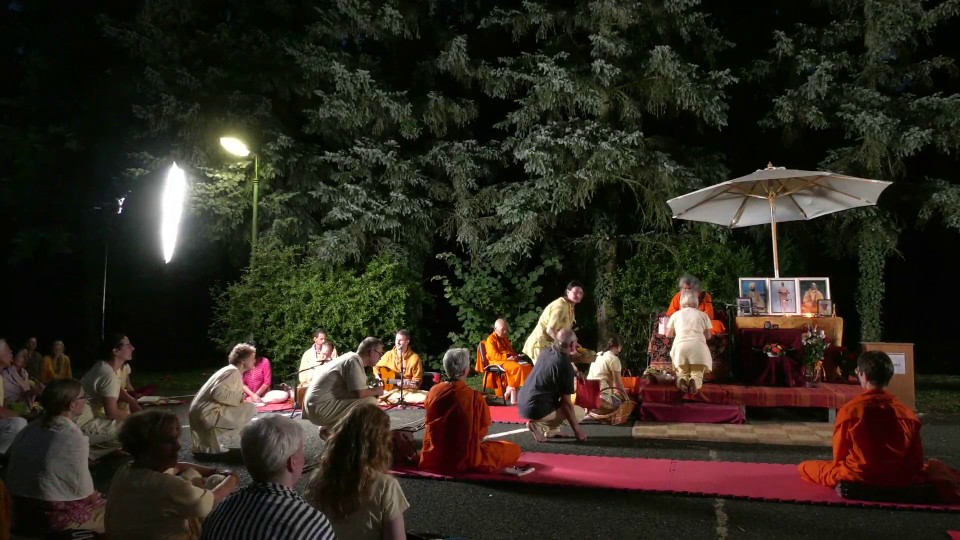
Evening satsang with Vishwaguruji from Vep, Hungary. Bhajan singing.
The meaning of Bhajan
8:40 - 10:07 (87 min)
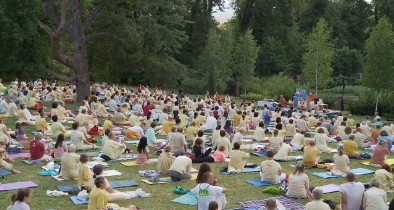
Satsang with Vishwaguruji Maheshwarananda, Summer Retreat in Strilky Ashram, Czech Republic. This satsang is about two powerful bhajans written by Holy Guruji (Sri Deep Niranjan Saba Dukha Bhanjan, Om Brahm Shiva Alakh Anadi). Vishwaguruji gives us introduction to different kinds of Samadhis and explains the topic about spiritual poems, bhajans, mantra and bija mantra. Bhajan singing and translation by Swami Gajanandji.
The spiritual path
10:15 - 10:46 (31 min)
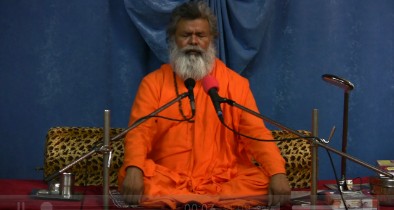
Evening satsang with Vishwaguruji from Jadan Ashram, Rajasthan, India. Vishwaguruji explains what means real meditation and reveals the essence of the spiritual path.
There is one Soul
10:50 - 12:13 (83 min)
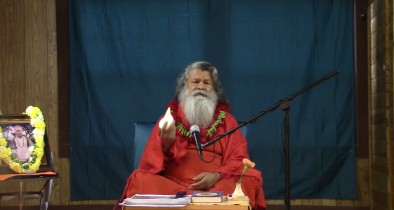
Evening satsang with Vishwaguruji from retreat at Mt. Shasta, Washington State, USA. The ocean is the origin, the creation. Nada is the resonance, it is the Supreme. Vishwaguruji creates a sound from the sea-shell. The elements were emerging from the sound of the creation. There are uncountable Souls in the body like the cells. Humans are fighting in vain, there is one Earth, each of the drops are from the same origin and will dissolve again. Similarly, there is one Soul. Real yoga is to love and understand the body, like when we are practicing Yoga in Daily Life.
How to overcame vritis
12:20 - 13:53 (93 min)
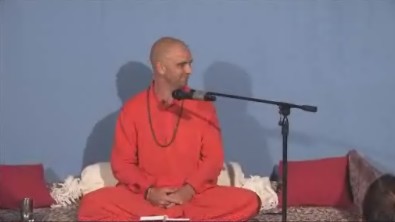
Evening satsang from Yoga retreat with MM Swami Jasraj Puri and Swami Gajanand, Iz, Croatia
Practising with Vishwaguruji
14:00 - 14:57 (57 min)
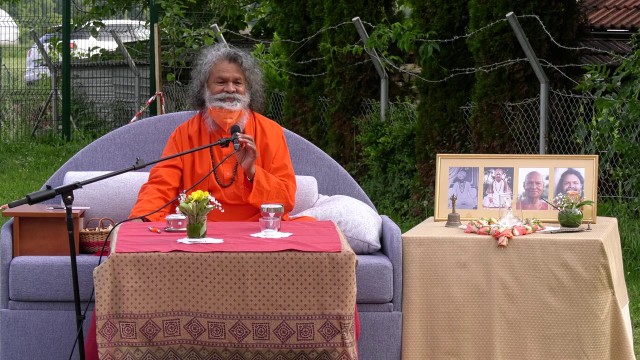
Evening Satsang with Vishwaguruji from Slovenia. Relaxation and bhajan singing. Vajra nadi gives the power of our whole body. Vajra nadi is like a tree it has a root and some branches. Practising sarva hita asanas and bhramari pranayama. If we practise asanas lifelong we will die very easy without pain.
How can I love myself?
15:05 - 15:38 (33 min)
A satsang exploring the concept of self-love through the framework of the four aspects of divine grace (kripa).
"Swāmījī did not really use this word, but I know it comes from Holī Gurujī; he is always using that."
"Love each and every living being, if not more, then at least as much as yourself."
Guru Lilā, addressing the community, explains the four aspects of kripa: Deva Kripa (grace of the gods), Śāstra Kripa (grace of the scriptures), Guru Kripa (the Guru's grace), and Kuṭkī Kripa (self-grace). He focuses on Kuṭkī Kripa as self-love, arguing it is a prerequisite for loving others. He outlines a practical path to self-love through self-acceptance, self-understanding, and self-giving, linking it to core teachings. He shares an anecdote about a woman healing from ALS through self-love and concludes with a traditional story about Guru Nānak illustrating the complex workings of karma.
Filming location: Strilky, Czech Republic
Do not waste your human life
15:45 - 16:45 (60 min)
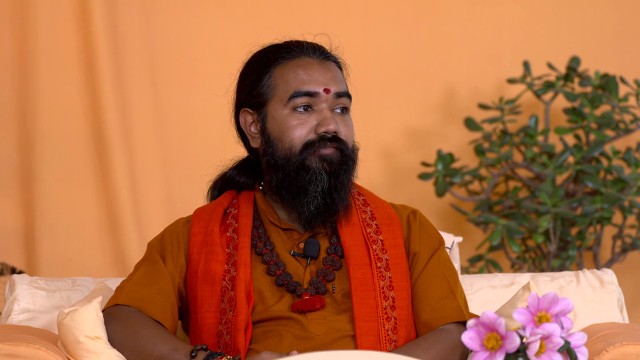
An evening satsang discourse on dharma, grace, and spiritual practice.
"Dharma rakṣati rakṣitaḥ. He who protects dharma, dharma protects him."
"The Guru will show us the right path... But we need to do the effort."
The lecturer leads a satsang exploring the nature of dharma and the four blessings (kṛpā) essential for spiritual progress: divine grace, scripture, the Guru, and one's own initiative. He weaves in teachings from the Bhagavad Gītā, stories from the Mahābhārata, and practical advice for students, emphasizing the necessity of the Guru's guidance and the disciple's personal effort to follow the righteous path and achieve liberation.
Filming location: Strilky, Czech Republic
Moon and Mind
16:50 - 17:58 (68 min)
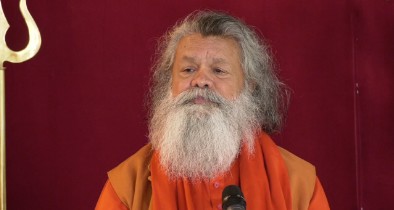
Morning satsang with Vishwaguruji from Strilky Ashram, Czech Republic. In reality, there is no sunrise or sunset - only the Earth is moving. It is said that the Moon is balancing the Earth. There are many different constellations. The Moon has a strong effect on nature. Sometimes, if someone goes on the wrong way it can influence others. We have to practice pranayama systematically. The master of the mind is the Moon; the principle of the Moon is water and water means movement. It is balancing our whole body.
Spirituality and religion (1/4)
18:05 - 19:12 (67 min)
Evening Satsang with Swamiji, from Vep, Hungary on 22nd of May 2010.
We will go one day
19:20 - 20:03 (43 min)
Evening satsang from Strilky Ashram, Czech Republic. We always worry about death. Death is a universal law. Our mind is always restless. We can train it by mantra. Manas is the storehouse of memories. Yogis are not attached to things. Only the bond between the disciple and the Guru is permanent. The story of a man who planned that when Yama came, he would hide somewhere. We should meditate always not only when we are in trouble. We should remember God every day, at least a little bit. Unfortunately present Indian generation is beginning to forget their roots. Birth and death come and go, but remember the name of God.
The real meditation
20:10 - 20:59 (49 min)
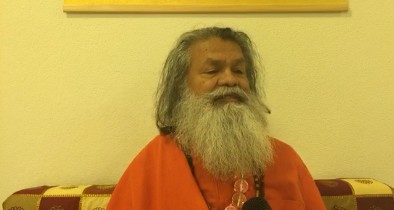
A spiritual discourse on meditation, mantra, and the guru principle.
"Without a Guru Mantra, meditation is like a statue without life in it."
"Gu means darkness, and ru means light. He is the one who removes the darkness of ignorance and leads us to the light of wisdom, freedom, and mokṣa."
The lecturer delivers an evening satsang, explaining mantra as the essential seed of meditation. He details the importance of a guru-given mantra, describes the guru as a divine principle beyond form, and outlines a five-stage practice for perfecting mantra repetition, from writing to silent, automatic resonance.
Filming location: UK
We will go one day
21:05 - 21:48 (43 min)
Evening satsang from Strilky Ashram, Czech Republic. We always worry about death. Death is a universal law. Our mind is always restless. We can train it by mantra. Manas is the storehouse of memories. Yogis are not attached to things. Only the bond between the disciple and the Guru is permanent. The story of a man who planned that when Yama came, he would hide somewhere. We should meditate always not only when we are in trouble. We should remember God every day, at least a little bit. Unfortunately present Indian generation is beginning to forget their roots. Birth and death come and go, but remember the name of God.
Anahata chakra
21:55 - 22:41 (46 min)
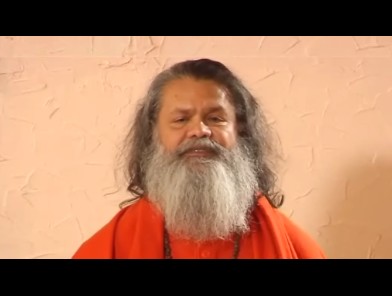
Satsang from Yoga Center in Prague on 1st December 2008.
Atma is king of the body
22:45 - 23:50 (65 min)
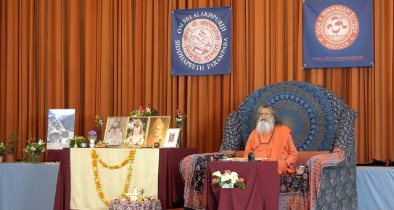
A spiritual discourse on perseverance, self-knowledge, and the inner faculties.
"It is not easy for anyone to remain steadfast on one path. This is true for everybody; it doesn't matter who you are. But when one has a single target, one can achieve it."
"He learned a lesson: if the ant cannot give up, why should I give up my sādhanā? I am sure one day I will achieve my goal. I may fall down many times, but I will get up again."
The speaker shares a parable about an ant persevering to carry a grain of rice, using it to illustrate the necessity of steadfastness on the spiritual path. He expands into an extended metaphor of the body as a coach, with the ten indriyas (faculties) as horses and the Ātmā as the king within. He emphasizes the crucial role of Viveka (discriminative intellect) as the king's advisor to guard against inner thieves like lust, anger, and greed, concluding that the Guru's word is the weapon that dispels them.
Filming location: Vép, Hungary
This time will not come back
23:55 - 0:53 (58 min)
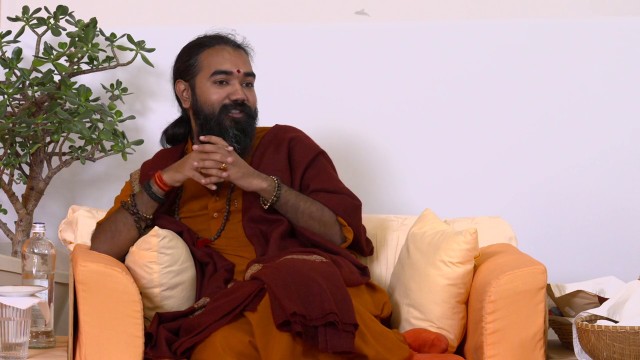
Evening satsang from Strilky Ashram, Czech Republic. We should begin everything at the basis. Climbing up is hard, but the goal is beautiful. To give up is easy, but not a solution. Good and bad things follow each other in our lives. We are full of expectations. There should be mutual understanding between partners. We listen many times the same story to understand more and more. We can reach peace if we are contented. At firsz we should accept ourselves and than we can accept other people. Go forward on the way Gurudev is inside with you. Things happening in our lives make us stronger. The knowledge is flowing from generation to generation in a parampara. Short explanation of yama and niyama rules.
American
Australian