
European
Support the flame of life within you
0:05 - 0:52 (47 min)
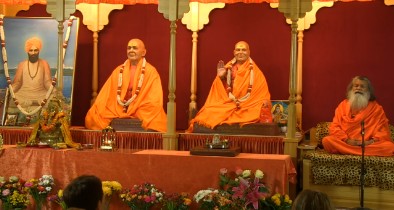
A spiritual discourse on the inner fire of tapasyā (austerity) and renunciation.
"God has given this human life with many good things, as well as past negatives, unpleasantness, sorrows, and attachments. Now, every one of us would like very much to become holy. But how many minutes, hours, or days do we give to tapasyā before we give up?"
"Tapasyā is a fire which burns all negative qualities; everything burns. Fire is one of the best elements which purifies everything."
The lecturer addresses a webcast from the Alagpuriji Siddhapitha, reflecting on the nature of true renunciation (vairagya) and spiritual practice. He explains that all positive and negative qualities originate within the self, and emphasizes that sustained tapasyā—the inner fire of austerity—is needed to purify consciousness and burn away attachments. He shares anecdotes about the severe tapasyā of his Guru, Sri Sri Madhavanandaji, in the deserts of Rajasthan, which sanctified the land and led to the establishment of a Shiva temple. The talk concludes with an invitation to a ten-day inauguration festival at the temple in Jadan.
Filming location: Vienna, Austria
Around the world - Yoga For Wellness (5/5)
1:00 - 2:04 (64 min)
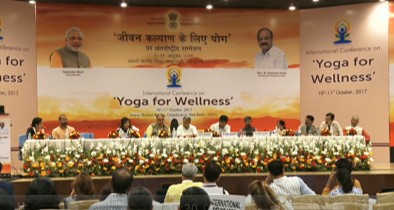
International Conference "Yoga For Welness". Organized by Indian Ministry of Ayush, Government of India in New Delhi, India.
Do not waste your human life
2:10 - 3:10 (60 min)
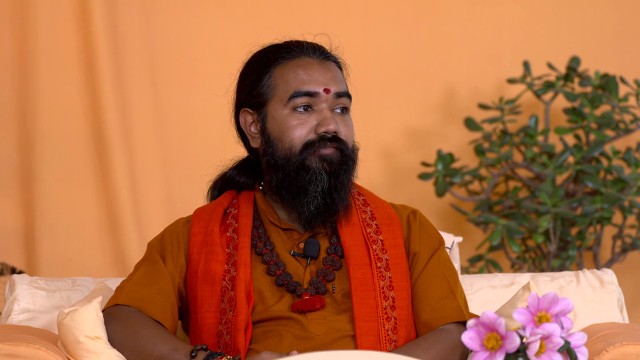
An evening satsang discourse on dharma, grace, and spiritual practice.
"Dharma rakṣati rakṣitaḥ. He who protects dharma, dharma protects him."
"The Guru will show us the right path... But we need to do the effort."
The lecturer leads a satsang exploring the nature of dharma and the four blessings (kṛpā) essential for spiritual progress: divine grace, scripture, the Guru, and one's own initiative. He weaves in teachings from the Bhagavad Gītā, stories from the Mahābhārata, and practical advice for students, emphasizing the necessity of the Guru's guidance and the disciple's personal effort to follow the righteous path and achieve liberation.
Filming location: Strilky, Czech Republic
In the bliss of bhajans
3:15 - 4:26 (71 min)
Bhajans from different ashrams in India
The spiritual path
4:30 - 5:01 (31 min)
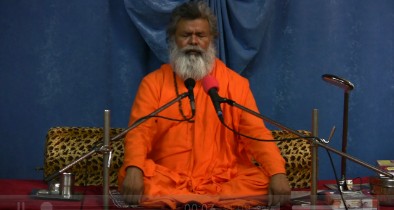
A spiritual discourse on meditation and the paths of worldly engagement and inward withdrawal.
"You try to meditate, you sit and repeat mantras, but the vṛttis—various kinds of mental modifications—persist."
"Nivṛtti means setting aside all obligations: physical, mental, social, political, spiritual—everything. Now you are only with your Self. That is meditation."
The lecturer leads a satsang, analyzing the obstacles to deep meditation. He explains the concepts of pravṛtti (extroverted engagement) and nivṛtti (inward withdrawal), emphasizing the need to control mental modifications (vṛttis) and purify oneself of impurities (mala) to achieve authentic self-inquiry. He critiques superficial prayer and incompetent teaching, urging sincere practice and surrender.
Filming location: Jadan, Rajasthan, India
The living heart of God
5:05 - 5:26 (21 min)
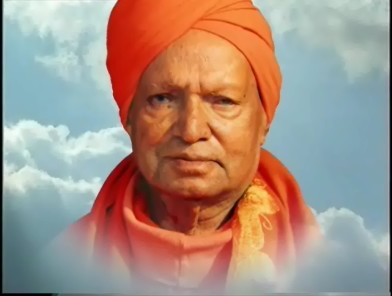
In Memory of His Holines Hindu Dharmasamrat Paramhansa Swami Madhavananda Puri.
Bhajan singing on the Satsang
5:30 - 5:57 (27 min)
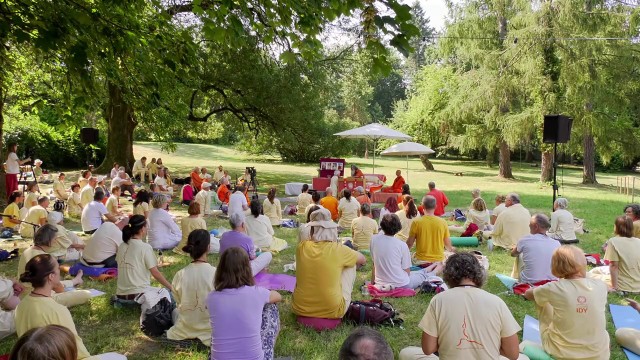
A devotional introduction and singing of a traditional bhajan.
"We can sing a very beautiful bhajan from Swāmī Lālā Nānjī. It is called Manarata Nāma, and it means, 'Oh my mind, repeat the name of God, repeat your mantra.'"
"Give your body and mind to Sāddhā Gurudeva, and he will destroy all your doubts and all your bad qualities. In the holy lotus feet of Satguru Deva reside all holy pilgrimages."
The speaker introduces a lesser-sung bhajan by Swāmī Lālā Nānjī, emphasizing the urgency of spiritual practice in human life. They explain the bhajan's theme of repeating the divine name and extol the glory and essential role of the true Guru in guiding devotees across the ocean of worldly existence. The session includes singing verses from the bhajan and concludes with salutations.
Filming location: Strilky, Czech Republic
Bhajans evening from the Strilky Ashram
6:05 - 7:08 (63 min)
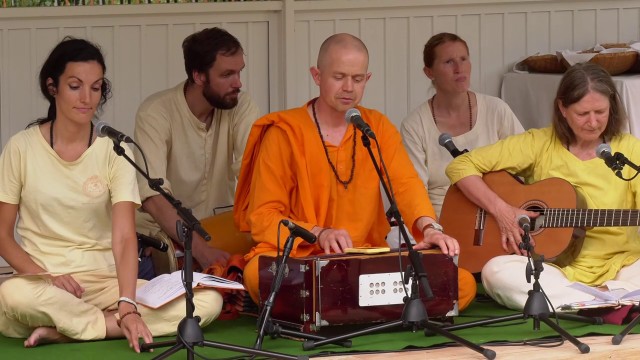
Evening satsang from Strilky Ashram, Czech Republic. Bhajan singing and translation.
Bhajan evening in the Strilky Ashram
7:15 - 8:08 (53 min)
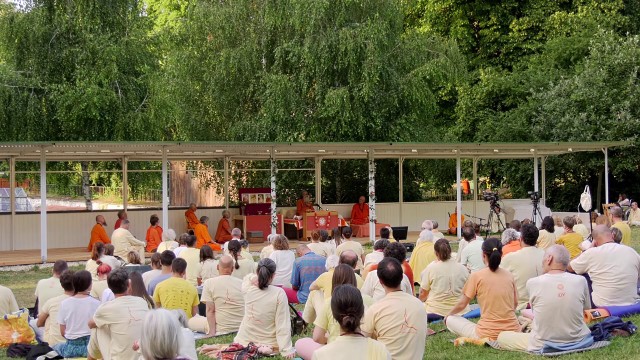
Evening satsang from Strilky Ashram, Czech Republic. Bhajan singing and translations. We shouldn't hold animals in a cage. They feel much pain there. Let them be free. We are also like that bird in the
Bhajan singing from Jadan
8:15 - 8:26 (11 min)
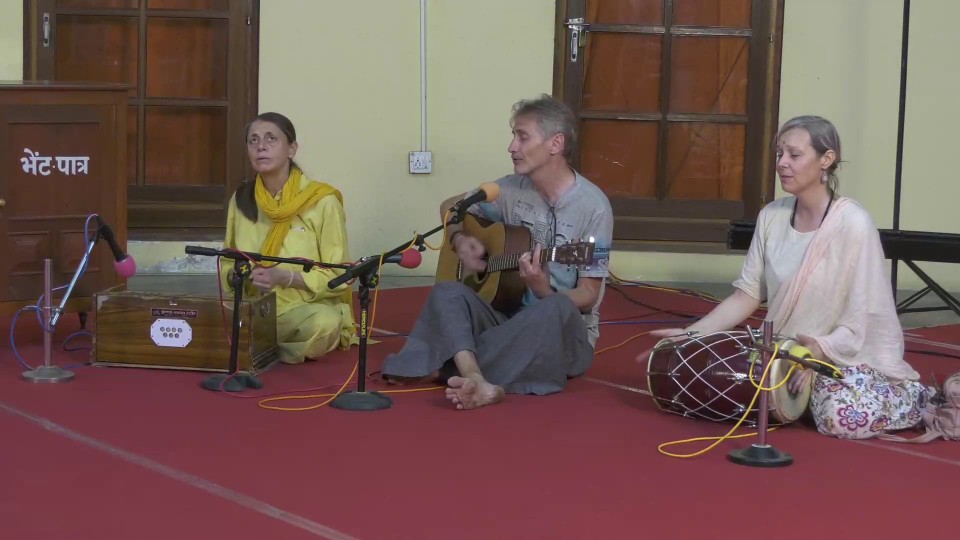
Evening satsang with Vishwaguruji from Jadan Ashram, Rajasthan, India.
How to overcame vritis
8:30 - 10:03 (93 min)
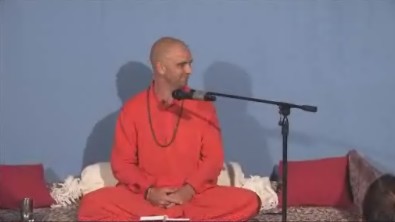
Evening satsang from Yoga retreat with MM Swami Jasraj Puri and Swami Gajanand, Iz, Croatia
Meditation can help us
10:10 - 11:35 (85 min)
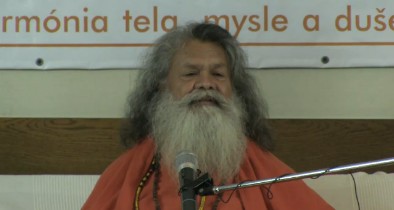
Public lecture with Vishwaguruji from Poprad, Slovakia. Why don’t we have time? Why are we suffering from stress? And even more if we have more money? If we would practice yoga three hours a day we would have happy life. Meditation can help us. Vishwaguruji gives a short and practical insight into the system of Yoga in Daily Life.
Experiences of bhaktas about Vishwaguruji
11:40 - 12:49 (69 min)
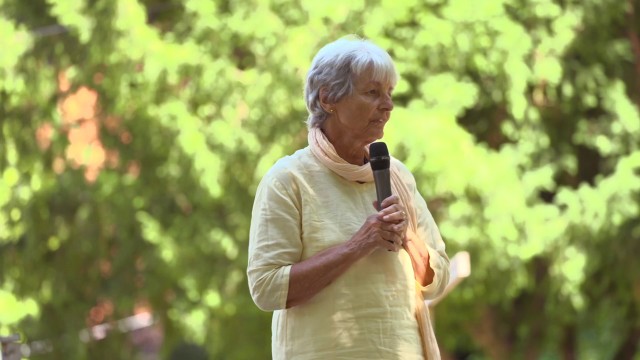
Morning satsang from Strilky Ashram, Czech Republic. "Yesterday, the topic was karma yoga, and I realized that for me, this has been the main form of yoga for the past twenty years. It is a very practical way to submit ourselves to the Supreme. Swamiji and his successor, Swami Avatarpuriji, are the way for us. " "Holi Guruji always said: One in all and all in one. For me, the starting point was a book about the relationship between the Master and his disciple. Then a strong desire arose in me to find an original, genuine Indian Guru. The next day, I saw a poster at the university announcing a lecture by an original, genuine Indian Guru." "I went to the next seminar every time. At the second seminar, I asked Swami ten questions, and he gave me the task of establishing a yoga center." Swami Avatarpuri leads the mansik puja to Gurudeva. Swami Avatarpuri leads the mansik puja to Gurudeva.
Gurudev always works for his bhaktas
12:55 - 13:53 (58 min)
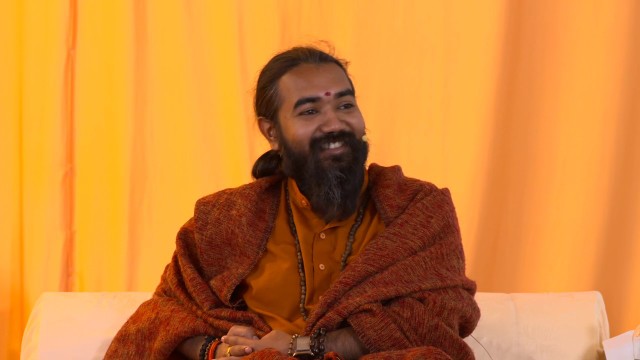
Evening satsang from Strilky Ashram, Czech Republic. Atma is immortal. The story of Naciketa and Yanaraj. Yamaraj tells Nacikata the nature of the Atman. Gurudev forms us like a smith forms the iron into a beautiful shape. But we need patience. Gurudev helps us attain liberation. A story of a man who didn’t want to go with his Guru. If we solve one problem the same time we create two other. Only surrender to Gurudev can really solve our problems.
Practicing Khatu Pranam
14:00 - 14:44 (44 min)
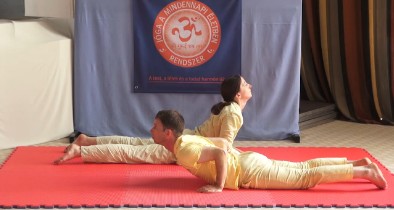
Satsang with Vishwaguruji from Vep, Hungary. Introduction to the second, extended version of Khatu Pranam.
Purify your body and eat proper food
14:50 - 15:47 (57 min)
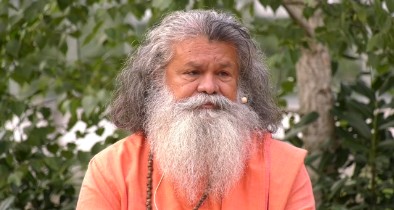
A satsang on the regenerative power of collective spiritual practice and the concept of Kāya Kalpa.
"This Kriyā Anuṣṭhāna has a regenerating function for our energy and our spirituality. It is like Kāya Kalpa."
"Kāya Kalpa means that you are like a newborn. Your hair will be its original color from birth... all the systems are very healthy and very good."
The lecturer explains the benefits of group spiritual practice (anuṣṭhāna), describing it as a mutual exchange of energy that prevents the loneliness and difficulty of solitary practice. He expands the theme into a discourse on Kāya Kalpa, or bodily regeneration, linking it to diet, natural living, and purification through practices like prānāyāma. He offers specific, Āyurveda-inspired advice on ghee, sugar, and oral hygiene, while cautioning against meat and processed foods, using anecdotes about cows and disciples to illustrate his points.
Filming location: Strilky, Czech Republic
Disciples remembrances and stories about Gurudev
15:55 - 16:53 (58 min)
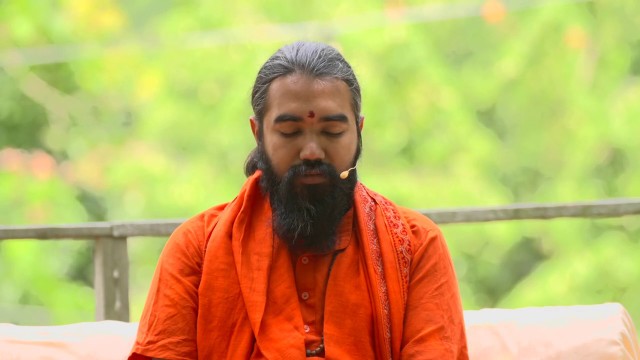
A morning satsang on devotion, grace, and personal spiritual experiences.
"For Gurudeva also, we do not need to present a golden chariot and such things. He is one of the most simple, natural persons."
"He works on bhāva. Bhāva means feelings. It is very similar with Gurudeva. He works on feelings."
Swami Avatarpuri opens the session by discussing the simplicity of devotion, using the example of Lord Shiva's grace toward a sincere, unlearned forest dweller. He announces a daily Shiva Abhisheka ritual for the seminar. Several disciples then share personal stories of meeting their Guru, receiving mantra initiation, and learning through karma yoga and subtle guidance, all emphasizing the transformative power of the Guru's grace and the importance of heartfelt intention (bhāva).
Filming location: Strilky, Czech Republic
The Essence of Yoga in Daily Life
16:59 - 17:34 (35 min)
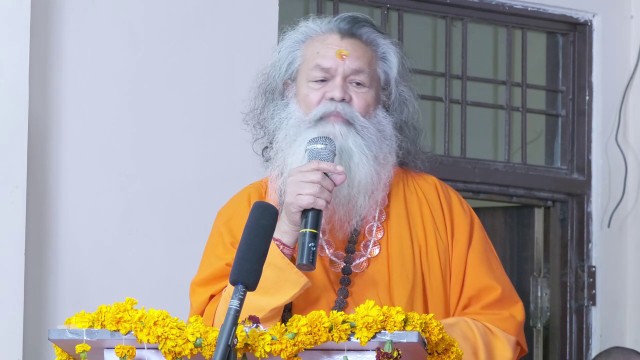
A spiritual discourse and award ceremony on integrating yoga and Sanātana Dharma into daily life.
"You should know why you have come to this world." "Yoga in daily life means in the whole world, in the whole world."
A speaker, referencing Gurudev and Swami Madhavanand, delivers a wide-ranging talk emphasizing the purpose of human life, the principles of yoga, and the protection of animals and Indian culture. He shares anecdotes about teaching yoga abroad, insists on vegetarianism for practitioners, and discusses the global spread of both meat-eating and veganism. The event includes the presentation of awards for promoting Indian culture and peace, with thanks given to organizing institutions like Apex University and the Yoga in Daily Life Foundation.
Filming location: Jaipur, Rajasthan, India
Around the world - Inauguration Nandeshwar
17:35 - 17:40 (5 min)
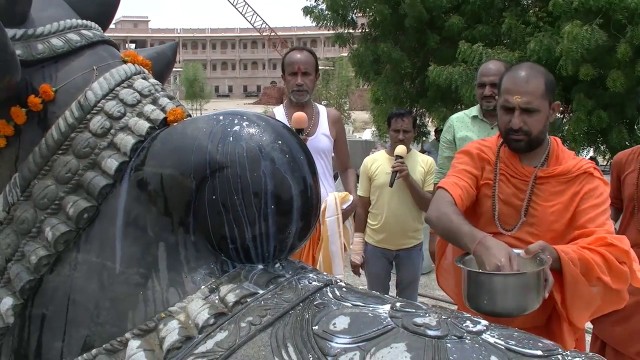
Arrival of Nandeshwar to Om Ashram. Jadan, Rajasthan, India.
Around the world - Bhajans from Kailash(1/3)
17:41 - 18:29 (48 min)
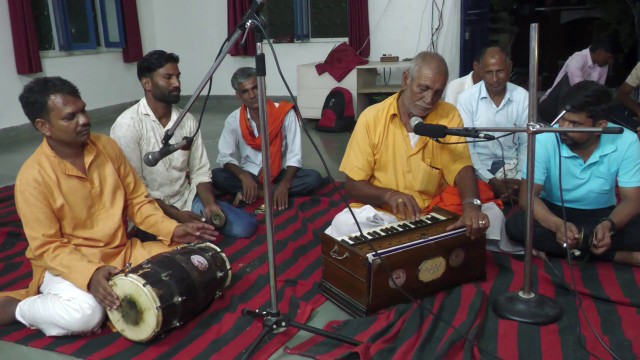
Evening satsang from Kaliash Ashram, Rajasthan, India. Bhajans on the occasion of Sri Devpuriji Mahasamadhi.
Around the world - Bhajans from Kailash(2/3)
18:30 - 19:04 (34 min)
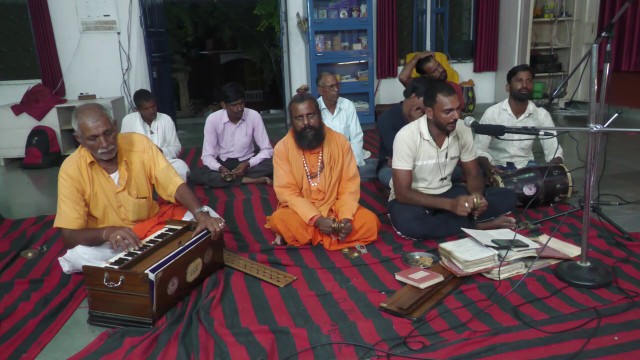
Evening satsang from Kaliash Ashram, Rajasthan, India. Bhajans on the occasion of Sri Devpuriji Mahasamadhi.
Vegetarian cooking lesson 19
19:05 - 19:28 (23 min)

Vegetarian cooking lesson
We should be worthy to be a human
19:30 - 20:34 (64 min)
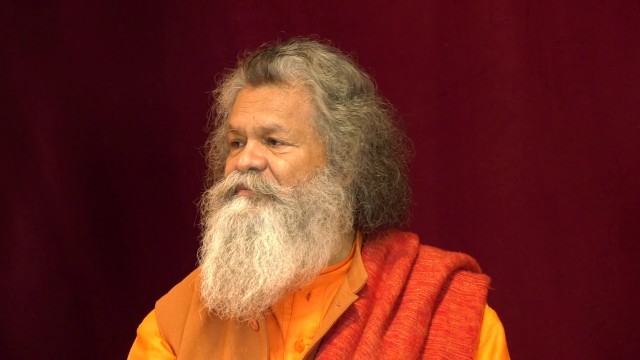
Evening satsang with Vishwaguruji from Strilky Ashram, Czech Republic. God gave spirituality to humans. There is God in the water, earth, air and food also. All creatures got their life from God. The story of Buddha, who dedicated his life to God. The story of a young Indian princess who wants to continue her father's spiritual work. We are like a God but unfortunately, we have lost our way. God gave us much beauty but now we use much makeup. We should know and respect the value of life. There are some people in the world who tortured cats and dogs. But the cat and dog can reborn as a human and vice versa. There are also many very good people in the world. In prayer, we go to God. Be always humble and peaceful. Nowadays many foods are not healthy, some are not even edible.
In the service of Life
20:40 - 21:24 (44 min)
India, Summer 2005. Report about the Swamijis activities.
Kriya and Kundalini
21:30 - 22:16 (46 min)
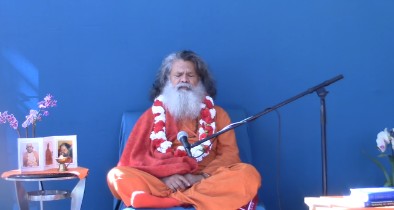
A spiritual discourse on Kuṇḍalinī, Śakti, and the foundational rites for spiritual practice.
"Kuṇḍalinī is the energy in our body. Kuṇḍalinī is a kind of consciousness which has clarity, and it leads the aspirant to the highest level of consciousness."
"Your Kriya Yoga will be successful. At that time, your Kuṇḍalinī will be pure, and it will awaken. Otherwise... they remain only a fairy tale."
Following a children's performance, Swami Ji delivers a morning satsang exploring the nature of Kuṇḍalinī energy and its connection to Kriyā Yoga. He explains that successful spiritual awakening depends on fulfilling one's ancestral obligations through the sixteen Vedic saṃskāras (rites of passage), detailing ceremonies like ear piercing (Karṇa Vedha) and the funeral rites (Antyeṣṭi, Kapāla Kriyā). He emphasizes that unfulfilled duties to ancestors can obstruct one's practice and family harmony, and invites attendees to participate in upcoming ceremonies to liberate these ancestral souls.
Filming location: San Francisco, USA
Support the flame of life within you
22:20 - 23:07 (47 min)
A spiritual discourse on the inner fire of tapasyā (austerity) and renunciation.
"God has given this human life with many good things, as well as past negatives, unpleasantness, sorrows, and attachments. Now, every one of us would like very much to become holy. But how many minutes, hours, or days do we give to tapasyā before we give up?"
"Tapasyā is a fire which burns all negative qualities; everything burns. Fire is one of the best elements which purifies everything."
The lecturer addresses a webcast from the Alagpuriji Siddhapitha, reflecting on the nature of true renunciation (vairagya) and spiritual practice. He explains that all positive and negative qualities originate within the self, and emphasizes that sustained tapasyā—the inner fire of austerity—is needed to purify consciousness and burn away attachments. He shares anecdotes about the severe tapasyā of his Guru, Sri Sri Madhavanandaji, in the deserts of Rajasthan, which sanctified the land and led to the establishment of a Shiva temple. The talk concludes with an invitation to a ten-day inauguration festival at the temple in Jadan.
Filming location: Vienna, Austria
We will go one day
23:15 - 23:58 (43 min)
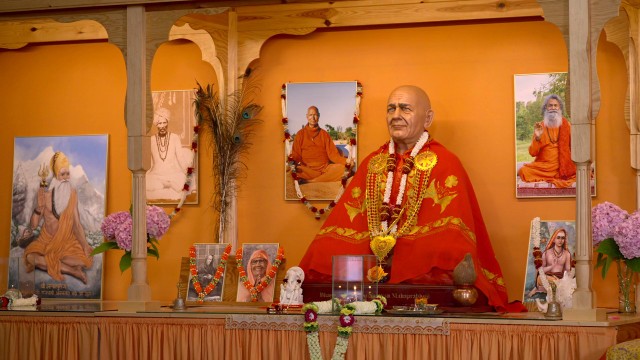
Evening satsang from Strilky Ashram, Czech Republic. We always worry about death. Death is a universal law. Our mind is always restless. We can train it by mantra. Manas is the storehouse of memories. Yogis are not attached to things. Only the bond between the disciple and the Guru is permanent. The story of a man who planned that when Yama came, he would hide somewhere. We should meditate always not only when we are in trouble. We should remember God every day, at least a little bit. Unfortunately present Indian generation is beginning to forget their roots. Birth and death come and go, but remember the name of God.
American
Australian