
European
Around the world - World Peace Conference, Prague 2016 (8/11)
1:00 - 1:15 (15 min)
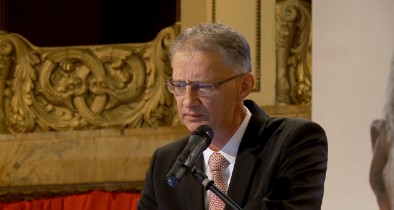
Yoga in Daily Life – A Path to Non-Violence and World Peace: World Peace Conference, Prague, Czech Republic.
The fourth Sri Swami Maheshwarananda Festival of Spiritual Music (1/4)
1:00 - 2:25 (85 min)
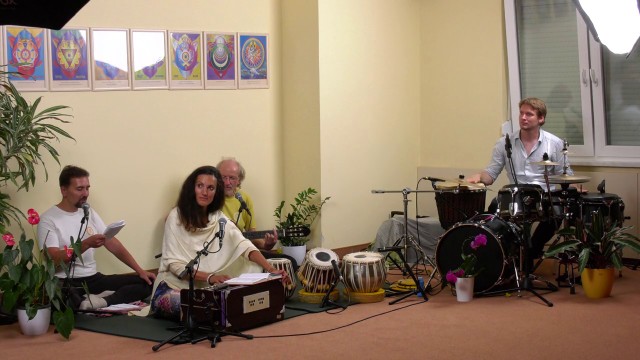
Welcome to The fourth Sri Swami Maheshwaranand Festival of Spiritual Music this time organized in Murska Sobota, Slovenia.
God is only one
1:20 - 1:56 (36 min)
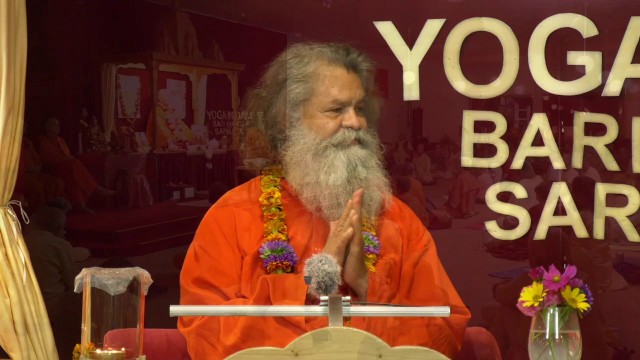
A spiritual discourse on unity, the human condition, and devotional surrender.
"I cannot plan anything that I would like. I am in the hand of my Master."
"Yoga means oneness... all humans, they are one."
Following an opening Sanskrit invocation, a spiritual teacher addresses a gathering, reflecting on a recent summer program with their Guru, Viśvagurujī. The talk emphasizes utilizing received spiritual grace and expands into themes of universal oneness, using metaphors of ocean water and the five elements to illustrate the singular divine source behind all religions and life. The speaker advises a mindful daily routine, warns against harming life and substance abuse, and concludes with blessings for all attendees and the world.
Filming location: Strilky, Czech Republic
The fourth Sri Swami Maheshwarananda Festival of Spiritual Music (2/4)
2:00 - 2:38 (38 min)
Welcome to The fourth Sri Swami Maheshwaranand Festival of Spiritual Music this time organized in Murska Sobota, Slovenia.
Higher Consciousness
2:00 - 2:51 (51 min)
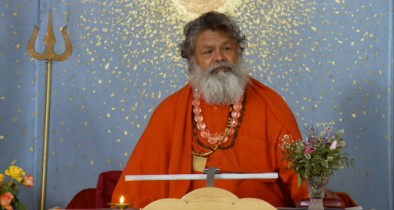
A spiritual discourse on humility, self-realization, and cultural integration.
"Laguta se prabhuta mele—the more humble you are, the more you attain a divine position."
"He is renouncing everything, but things do not renounce him. That is in his kismat."
Swami Vishwaguruji addresses a gathering, weaving teachings on humility with stories of saints and kings. He explains the distinction between multiculturalism and intercultural dynamics, warns against spiritual pride, and describes the progressive stages of spiritual experience (ātma-cintan, anubhūti, and jñāna). The talk also covers topics like Pitṛātmā and concludes with a blessing for peace.
Chinta and Chintan
2:55 - 3:46 (51 min)
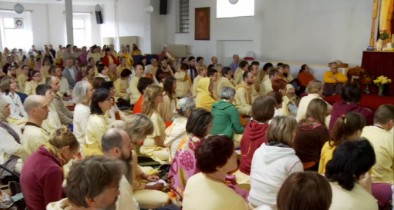
Morning Satsang by Vishwaguru Mahamandaleshwar Paramhans Swami Maheshwarananda.Chinta is the worries about worldly problems; it is like a black hole. Chintan means thinking. Chintan on the atma can remove the chinta. If we put our problems into the hands of Gurudev our situation will be better. The cause of chinta is sometimes lying in our attachments.
Protect is in protect
3:50 - 4:41 (51 min)
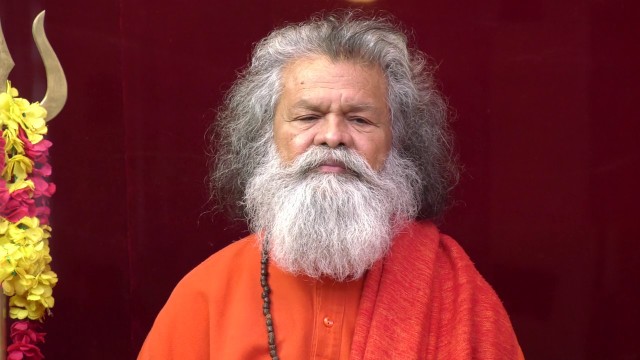
A morning satsang addressing global challenges and spiritual practice.
"Why did this corona attack only humans? Other creatures are also creatures."
"All men don’t kill and don’t eat other creatures. Help them. Love them. Feed them. But don’t eat them."
Swami Madhvanandji delivers a discourse, questioning why the COVID-19 pandemic primarily affects humanity. He links modern diseases to meat consumption, chemical use in food, and negative karmic cycles of the Kali Yuga, advocating for vegetarianism and a return to a pure, respectful relationship with the Earth. He discusses the spiritual significance of current times, references the awakening of Shiva, and extends Christmas greetings, emphasizing unity across religions. The session concludes with a question about a planetary conjunction and its spiritual utility.
Filming location: Strilky, Czech Republic
Eat healthy food and live as a human
4:45 - 5:28 (43 min)
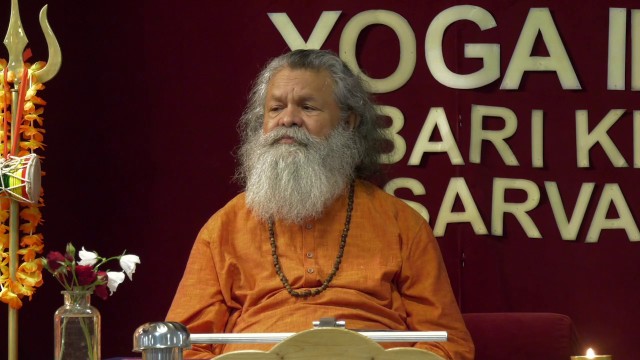
A spiritual discourse on prayer, lifestyle, and simple daily remembrance.
"Morning, midday, evening—always the whole family, women, men, and children. When they sat at the table to eat, they would pray."
"When we open our eyes, then tell, 'I am human.'... And then, second, don't look at animals and this and that first. Mother, mother. So see our mother."
The lecturer reflects on the decline of traditional prayer across religions and its connection to modern societal problems. He discusses dietary shifts, including the rise of veganism, and critiques modern agriculture's impact on the earth. He concludes with a simple daily practice: upon waking, remember "I am human," honor Mother Earth, and reverence water as life.
Filming location: Strilky, Czech Republic
Bhajan evening in the Jadan Ashram
5:30 - 6:09 (39 min)
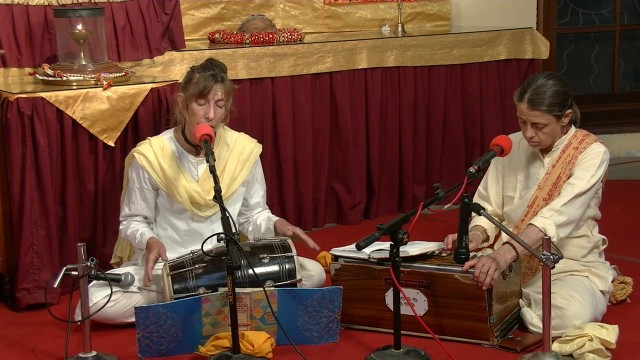
Evening satsang from Jadan Ashram, Rajasthan, India. Bhajan singing.
Bhajan singing in the Jadan Ashram
6:15 - 7:33 (78 min)
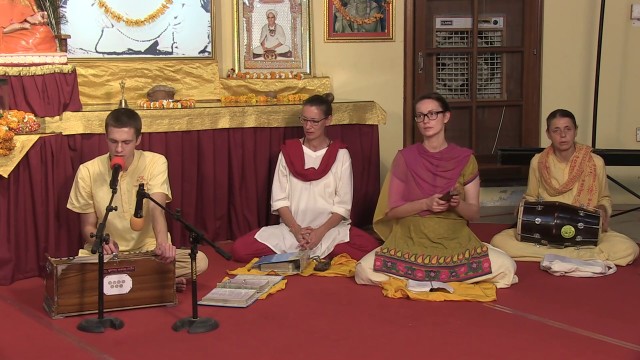
Evening satsang with Vishwaguruji from Jadan Ashram, Rajasthan, India. Bhajan singing evening.
Bhajan evening in Jadan Ashram
7:40 - 8:02 (22 min)
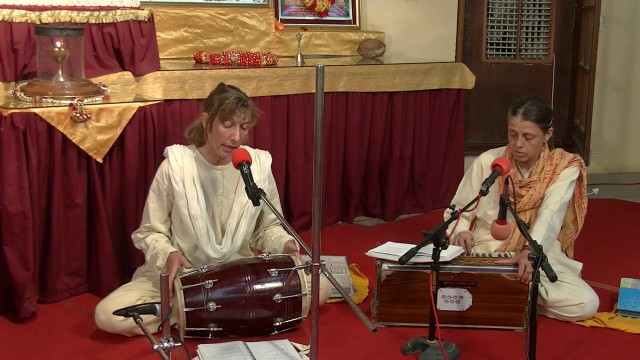
Evening satsang with Vishwaguruji from Jadan Ashram, Rajasthan, India. Bhajan singing.
Bhajan evening from Jadan Ashram
8:10 - 8:47 (37 min)
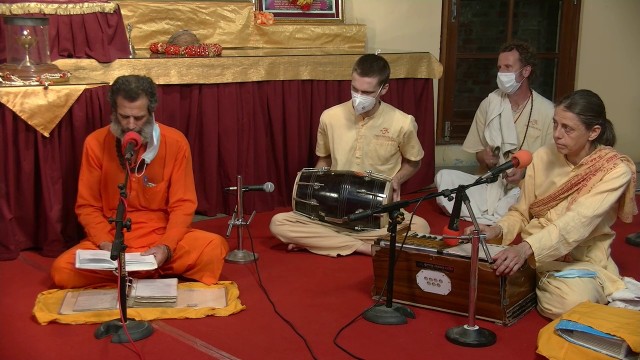
Evening satsang with Vishwaguruji from Jadan Ashram, Rajasthan, India. Bhajan singing.
Meditation can help us
8:55 - 10:20 (85 min)
Public lecture with Vishwaguruji from Poprad, Slovakia. Why don’t we have time? Why are we suffering from stress? And even more if we have more money? If we would practice yoga three hours a day we would have happy life. Meditation can help us. Vishwaguruji gives a short and practical insight into the system of Yoga in Daily Life.
Experiences of bhaktas about Vishwaguruji
10:25 - 11:34 (69 min)
Morning satsang from Strilky Ashram, Czech Republic. "Yesterday, the topic was karma yoga, and I realized that for me, this has been the main form of yoga for the past twenty years. It is a very practical way to submit ourselves to the Supreme. Swamiji and his successor, Swami Avatarpuriji, are the way for us. " "Holi Guruji always said: One in all and all in one. For me, the starting point was a book about the relationship between the Master and his disciple. Then a strong desire arose in me to find an original, genuine Indian Guru. The next day, I saw a poster at the university announcing a lecture by an original, genuine Indian Guru." "I went to the next seminar every time. At the second seminar, I asked Swami ten questions, and he gave me the task of establishing a yoga center." Swami Avatarpuri leads the mansik puja to Gurudeva. Swami Avatarpuri leads the mansik puja to Gurudeva.
Disciples remembrances and stories about Gurudev
11:40 - 12:38 (58 min)
A morning satsang on devotion, grace, and personal spiritual experiences.
"For Gurudeva also, we do not need to present a golden chariot and such things. He is one of the most simple, natural persons."
"He works on bhāva. Bhāva means feelings. It is very similar with Gurudeva. He works on feelings."
Swami Avatarpuri opens the session by discussing the simplicity of devotion, using the example of Lord Shiva's grace toward a sincere, unlearned forest dweller. He announces a daily Shiva Abhisheka ritual for the seminar. Several disciples then share personal stories of meeting their Guru, receiving mantra initiation, and learning through karma yoga and subtle guidance, all emphasizing the transformative power of the Guru's grace and the importance of heartfelt intention (bhāva).
Filming location: Strilky, Czech Republic
Gurudev always works for his bhaktas
12:45 - 13:43 (58 min)
Evening satsang from Strilky Ashram, Czech Republic. Atma is immortal. The story of Naciketa and Yanaraj. Yamaraj tells Nacikata the nature of the Atman. Gurudev forms us like a smith forms the iron into a beautiful shape. But we need patience. Gurudev helps us attain liberation. A story of a man who didn’t want to go with his Guru. If we solve one problem the same time we create two other. Only surrender to Gurudev can really solve our problems.
Purify your body and eat proper food
13:50 - 14:47 (57 min)
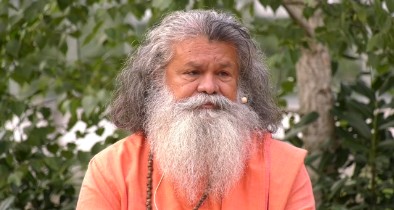
A satsang on the regenerative power of collective spiritual practice and the concept of Kāya Kalpa.
"This Kriyā Anuṣṭhāna has a regenerating function for our energy and our spirituality. It is like Kāya Kalpa."
"Kāya Kalpa means that you are like a newborn. Your hair will be its original color from birth... all the systems are very healthy and very good."
The lecturer explains the benefits of group spiritual practice (anuṣṭhāna), describing it as a mutual exchange of energy that prevents the loneliness and difficulty of solitary practice. He expands the theme into a discourse on Kāya Kalpa, or bodily regeneration, linking it to diet, natural living, and purification through practices like prānāyāma. He offers specific, Āyurveda-inspired advice on ghee, sugar, and oral hygiene, while cautioning against meat and processed foods, using anecdotes about cows and disciples to illustrate his points.
Filming location: Strilky, Czech Republic
What does Sanatana Dharma mean?
14:55 - 15:46 (51 min)
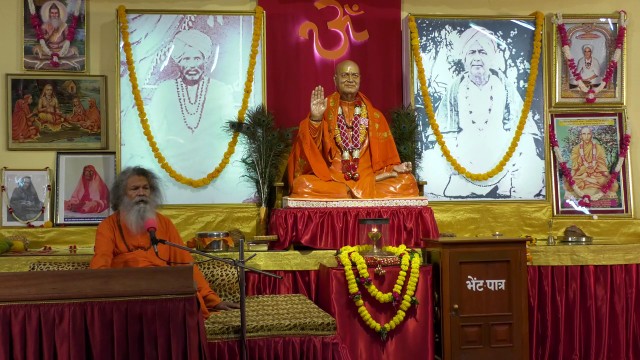
Evening satsang with Vishwaguruji from Jadan Ashram, Rajasthan, India. Lecture about Sanatana Dharma. by Acaryaji. Simple and clear explanation of many expressions and processes connecting to Sanatana Dharma and to the Hindu philosophy. Chanting mantras by one of Vishwagurujis youngest Indian followers. Swami Madhuram speaks about consciousness and how to realize atma in us and how he became sanatani. Swami Premanand speaks about the deep meaning of Divali. Bhajan singing.
Support the flame of life within you
15:50 - 16:37 (47 min)
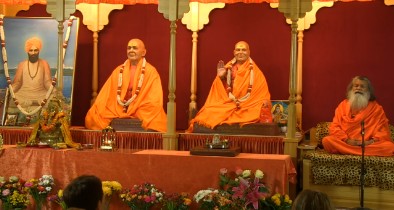
A spiritual discourse on the inner fire of tapasyā (austerity) and renunciation.
"God has given this human life with many good things, as well as past negatives, unpleasantness, sorrows, and attachments. Now, every one of us would like very much to become holy. But how many minutes, hours, or days do we give to tapasyā before we give up?"
"Tapasyā is a fire which burns all negative qualities; everything burns. Fire is one of the best elements which purifies everything."
The lecturer addresses a webcast from the Alagpuriji Siddhapitha, reflecting on the nature of true renunciation (vairagya) and spiritual practice. He explains that all positive and negative qualities originate within the self, and emphasizes that sustained tapasyā—the inner fire of austerity—is needed to purify consciousness and burn away attachments. He shares anecdotes about the severe tapasyā of his Guru, Sri Sri Madhavanandaji, in the deserts of Rajasthan, which sanctified the land and led to the establishment of a Shiva temple. The talk concludes with an invitation to a ten-day inauguration festival at the temple in Jadan.
Filming location: Vienna, Austria
Kriya and Kundalini
16:45 - 17:31 (46 min)
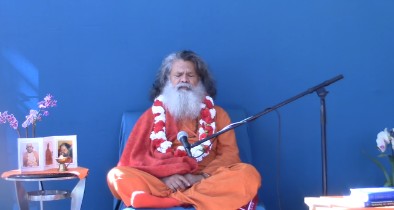
A spiritual discourse on Kuṇḍalinī, Śakti, and the foundational rites for spiritual practice.
"Kuṇḍalinī is the energy in our body. Kuṇḍalinī is a kind of consciousness which has clarity, and it leads the aspirant to the highest level of consciousness."
"Your Kriya Yoga will be successful. At that time, your Kuṇḍalinī will be pure, and it will awaken. Otherwise... they remain only a fairy tale."
Following a children's performance, Swami Ji delivers a morning satsang exploring the nature of Kuṇḍalinī energy and its connection to Kriyā Yoga. He explains that successful spiritual awakening depends on fulfilling one's ancestral obligations through the sixteen Vedic saṃskāras (rites of passage), detailing ceremonies like ear piercing (Karṇa Vedha) and the funeral rites (Antyeṣṭi, Kapāla Kriyā). He emphasizes that unfulfilled duties to ancestors can obstruct one's practice and family harmony, and invites attendees to participate in upcoming ceremonies to liberate these ancestral souls.
Filming location: San Francisco, USA
In the service of Life
17:35 - 18:19 (44 min)
India, Summer 2005. Report about the Swamijis activities.
You are like bees
18:25 - 19:07 (42 min)
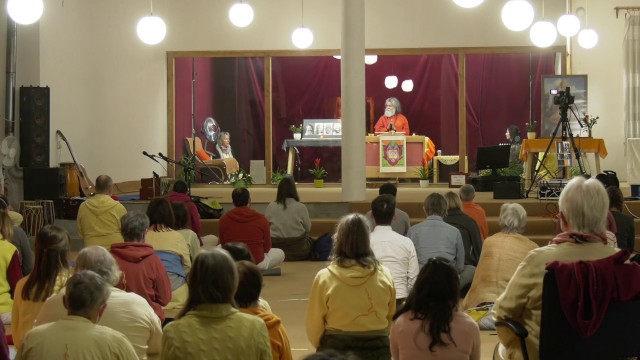
Evening satsang with Vishwaguruji from Strilky, Czech Republic. There are many Gurus and many more disciples in the world. We are not our body, we are Atma. Never be negative with anyone. Bhajan is like honey coming from our throat. I bless you and work for you. The corona will pass away sooner or later. We are all like bees. Singing Bhajans.
How did Yoga in Daily Life begin in Europe?
19:15 - 19:57 (42 min)
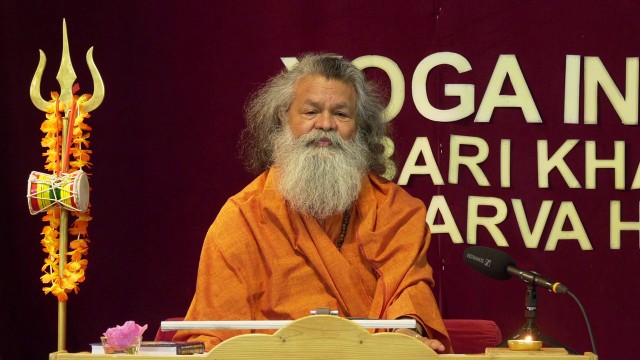
Evening satsang with Vishwaguruji from Strilky Ashram, Czech Republic. When Vishwaguruji in his young age first time arrived in Europe very few people heard about yoga and many people ate meat. At that time Vishwaguruji went back to India. But some Austrian people invite him again to come to Europe. The story of Vishwaguruji's first visit tö Czechoslovakia. Many Czech people are with Vishwaguruji from that time till now. The story of a grandmother in Czechoslovakia who didn't want that her grandchild becomes a vegetarian. Satsang bhajans and prayer were also very new for people at that time. We have to take care of our family. At that time people prayed before eating but now they do not.
You and me are one
20:05 - 20:44 (39 min)
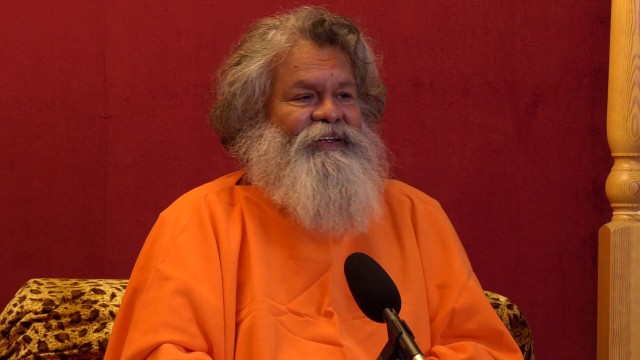
A spiritual discourse on the nature of life, death, and authentic practice.
"Life is everywhere. Then there are the flying creatures... They are happy, or they think, 'We are all right, we are good.'"
"It is said that if they burn the body completely, everything that is there, then they are going far... all is going, life."
The speaker shares a series of contemplations and personal anecdotes, including a story about a mother figure (Mātājī) in Vienna and a nighttime encounter with a spiritual presence resembling his Guru. He discusses the pervasiveness of life, the process of death and cremation, and uses the metaphor of a drop merging into the ocean to describe spiritual unity. The talk concludes with a critique of modern yoga practices focused on money rather than genuine inner realization.
Filming location: Vienna, Austria
About the thousand names of Vishnu
20:50 - 21:20 (30 min)
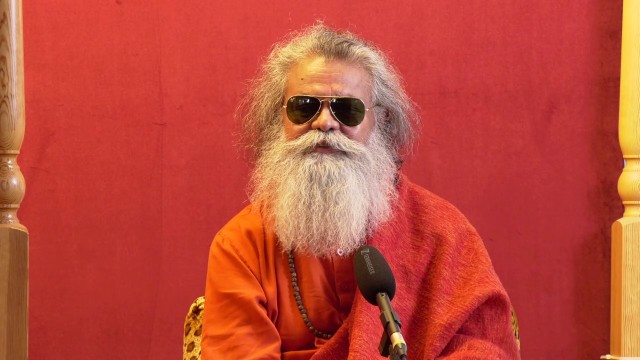
Evening satsang with Vishwaguruji from Guruji Ashram, Vienna, Austria.
Strengthening the fire
21:25 - 21:55 (30 min)
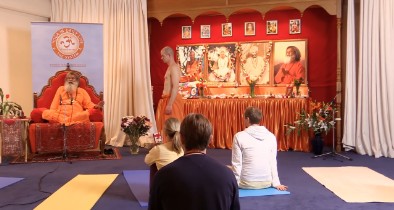
An instructional session on Agni Sāra Kriyā, a yogic practice for health.
"Blood pressure and diabetes are the best of friends. When diabetes arrives, blood pressure accompanies it."
"Agni Sāra Kriyā awakens a fire within your body that burns all excess fat and unnecessary matter."
A teacher explains the philosophy and health benefits of the digestive fire (jāṭharāgni) and Agni Sāra Kriyā, relating it to conditions like diabetes and memory. He details the proper fasting conditions, precautions, and the practice's effects on organs and fat. The session includes a live demonstration by a student named Madhuram, showing the correct posture and breathing technique for the Kriyā.
Filming location: Wellington, New Zealand
Sakar and nirakar
22:00 - 22:29 (29 min)

A satsang discourse blending spiritual teachings with a story from the Ramayana.
"This consciousness is unbroken; it is everywhere. There is absolutely no place where it is not."
"I took you over Gaṅgā. So you take me over this ocean of suffering."
A speaker addresses a retreat gathering, first paying homage to the all-pervading consciousness and the Guru. He shares the story of a clever ferryman who, recognizing Lord Rama's divinity, bargains to wash his feet for passage and then asks Rama to ferry him across the ocean of suffering. The talk meanders into themes of form (Sākāra) and formlessness (Nirakāra), using the analogy of a flame and leaves in the wind, and concludes with well-wishes and observations on modern life.
Filming location: Strilky, Czech Republic
How do we practice Bhramari?
22:35 - 22:54 (19 min)
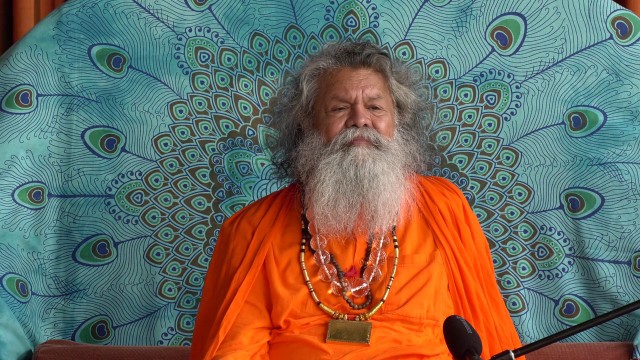
A teaching session on breathwork and the Brahmari technique.
"You are very good persons, and you must practice every day." "You should do only three practices: on the chest, on the heart, in the navel, and then Brahmari."
A spiritual teacher instructs a group on daily breathing practices, using the analogy of a varied meal to explain the need for different techniques. He outlines a sequence focusing on the heart and navel, details methods of inhalation and exhalation through the nose and mouth, and gives specific guidance on practicing the Brahmari sound. The talk includes practical warnings about social settings and concludes with an encouragement to practice at home.
Filming location: Vép, Hungary
A Warm Welcome and the Three Books
23:00 - 23:08 (8 min)
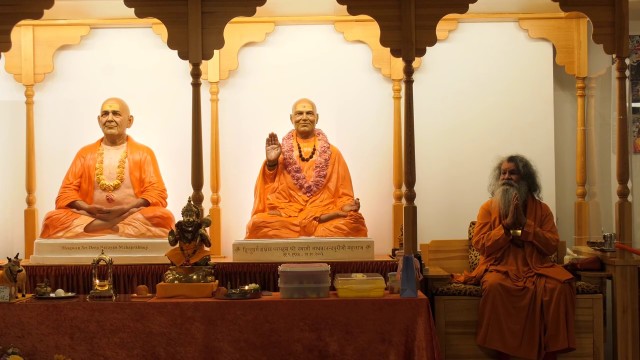
A welcome address and discourse upon a spiritual teacher's return.
"You only have to look in those three books. Everything is explained there."
"When the Guru's kṛpā is upon you, you have nothing to worry about."
A devotee offers a warm welcome to Swāmījī upon his arrival at the airport after a long journey. The speaker emphasizes that all spiritual guidance is contained within three key books: a yoga book, a chakra book, and the Līlā Amṛt. Following this, another speaker chants a Maṅgalācaraṇ, explains its meaning as a salutation to the guru lineage from Sadāśiva to their current Gurudev, and expresses gratitude for the blessing of being in the Guru's service.
Filming location: Vienna, Austria
You and me are one
23:15 - 23:54 (39 min)
A spiritual discourse on the nature of life, death, and authentic practice.
"Life is everywhere. Then there are the flying creatures... They are happy, or they think, 'We are all right, we are good.'"
"It is said that if they burn the body completely, everything that is there, then they are going far... all is going, life."
The speaker shares a series of contemplations and personal anecdotes, including a story about a mother figure (Mātājī) in Vienna and a nighttime encounter with a spiritual presence resembling his Guru. He discusses the pervasiveness of life, the process of death and cremation, and uses the metaphor of a drop merging into the ocean to describe spiritual unity. The talk concludes with a critique of modern yoga practices focused on money rather than genuine inner realization.
Filming location: Vienna, Austria
American
Australian