
European
People are very good all over the world
0:20 - 0:55 (35 min)
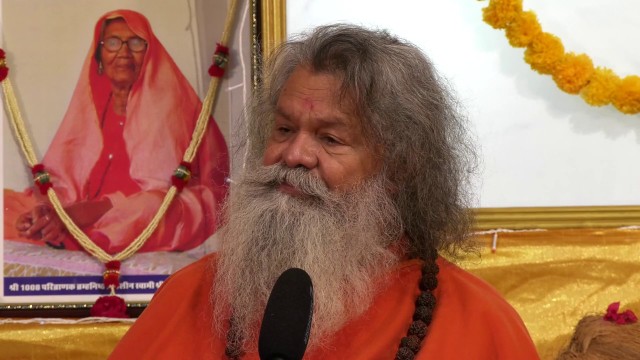
A satsang reflecting on global religious festivals, human diversity, and the principle of non-violence.
"Similarly, I did not see all of them, but also the children, girls, and women, and they also have this. Also, mostly the Christians and the Muslims, they are also saying something, their prayers or something."
"So, many people are ceremonizing with the killing of animals... we have to do only good, no killing this and that."
Following opening chants, The lecturer addresses the global community, observing the recent New Year and Christmas celebrations. He describes the peaceful, devotional practices he has witnessed among Christians, Muslims, Jews, Indigenous Americans, Africans, Japanese, and others, emphasizing the underlying goodness and shared humanity across cultures. The talk centers on the ethic of non-violence (ahiṃsā), criticizing animal sacrifice and advocating for compassion toward all creatures, from ants to trees. He concludes by encouraging a life dedicated to spirituality.
Filming location: Jadan, Rajasthan, India
Don't kill animals, remain clean
1:00 - 2:13 (73 min)
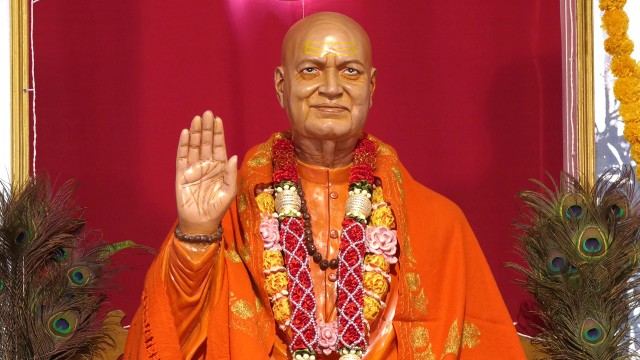
Evening sastang from Jadan Ashram, Rajasthan, India. When it rains, it feeds all the vegetation. The sea, the grass, the trees need water. Only humans can reach the highest. Those who don't use drugs or drink alcohol. Today, the whole world, all religions and cultures are right in the palm of our hands, accessible by mobile phone. With the help of yoga, meditation and ancient sacred scriptures, spirituality can be realized. Outer purity means inner purity.Chemical pollution is a big problem all over the Earth.
Darshan of Sri Alakhpuriji
2:20 - 3:38 (78 min)
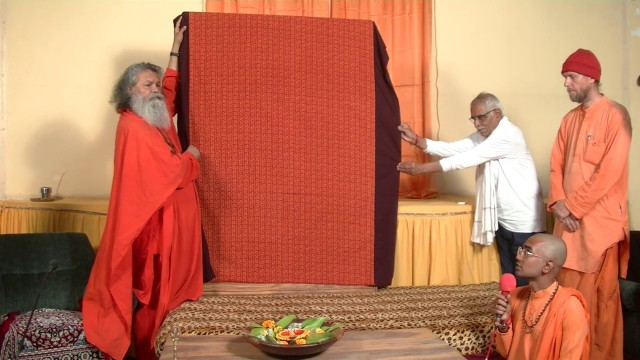
Evening satsang with Vishwaguruji from Jadan Ashram, Rajasthan, India. The good qualities lead to development and health, while anger, hate, gossiping, and confused deeds lead to destruction. Doing certain movements as exercise is not enough. Singing bhajans including "Sataguru Alakhpuriji Avo". The first worship of the picture of Sri Alakhpuriji. The picture was painted according to the visions and guidance of Srí Vishwaguruji.
Bhramari pranayama and Om chanting
3:45 - 4:55 (70 min)
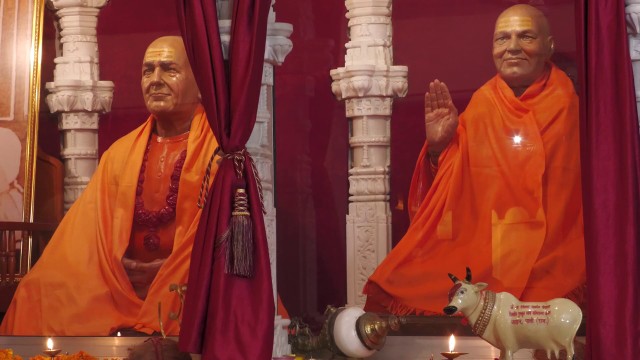
Evening satsang from Jaipur, Rajasthan, India. Singing bhajans and chanting mantras are one of the best techniques to bring us to the divine. Sri Mahaprabhuji's disciples have written beautiful bhajans. Unfortunately, today this knowledge is not being taught to our children. Instead of looking to the outside world, we should look to ourselves and preserve Sat Sanatana Dharma. Where people eat meat, Dharma is lost. The explanation of Bhramari pranayama. Just as birds balance their flying, this practice balances the two hemispheres of the brain.
Practicing Khatu Pranam
5:00 - 5:44 (44 min)
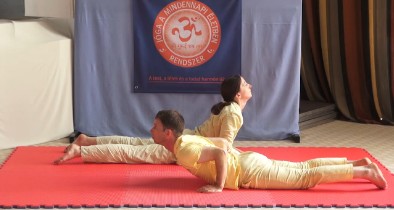
Satsang with Vishwaguruji from Vep, Hungary. Introduction to the second, extended version of Khatu Pranam.
Feel oneness and protect all creatures
5:50 - 6:20 (30 min)
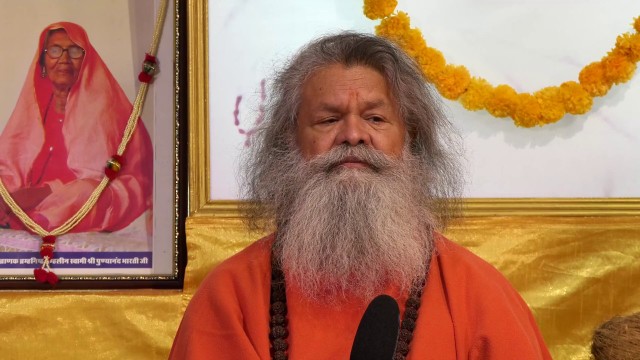
A spiritual discourse on compassion, the divine essence, and universal unity.
"God itself is present within this body. And God has given humans to us as God itself."
"Sooner or later, we will be one with that water, the ocean. This means God."
A spiritual teacher addresses a global audience, reflecting on the sanctity of life and the sin of killing animals for food. He contemplates the nature of divine suffering through the example of Jesus and uses the metaphor of a water drop returning to the ocean to describe the soul's journey to union with God. The talk expands into a message of peace and reconciliation for the Christmas season, emphasizing oneness beyond all divisions.
Filming location: Jadan, Rajasthan, India
The Oneness of Guru and Disciple
6:25 - 6:55 (30 min)
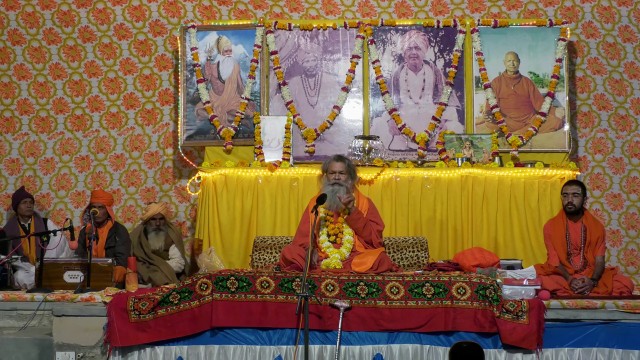
A satsang discourse on the holy occasion of Śrī Dīp Nārāyaṇ Mahāprabhujī's puṇya tithi, focusing on the non-dual relationship between guru and disciple.
"One in all and all in one."
"A disciple and a Guru are the same. Both are the same. But they know how I am walking and from where I am walking."
The lecturer addresses a global gathering, explaining the pervasive presence of the guru lineage. He shares personal anecdotes illustrating the mystical connection between guru and disciple, asserting their ultimate oneness despite apparent separation. The talk weaves through themes of divine unity, compassion for all life, and the merging of the individual soul with the divine, likened to a drop returning to the ocean. The session includes personal reflections and concludes with blessings for the attendees.
Filming location: Jadan, Rajasthan, India
Śaṅkha Prakṣālana and Kunjal Kriyā: Purification of the Intestine and Stomach
7:00 - 7:40 (40 min)

A practical demonstration and instructional lecture on the Haṭha Yoga purification techniques of Śaṅkha Prakṣālana and Kunjal Kriyā.
"Śaṅkha Prakṣālana is a very good exercise, but it has to be done early in the morning, of course, on an empty stomach."
"After Śaṅkha Prakṣālana, after purification, you have to keep a diet for at least, strictly, seven days, one week, and up to one month."
An instructor leads a session at an ashram, detailing the procedures for intestinal and stomach cleansing. He explains the preparation, the specific exercises and drinking process for Śaṅkha Prakṣālana, and the subsequent technique for Kunjal Kriyā (Vaman Dhautī), assisted by two experienced practitioners. Key themes include the importance of timing, dietary restrictions post-practice, and the health benefits of these purification rituals.
Filming location: Strilky, Czech Republic
Bhajan evening in Jadan Ashram
7:45 - 9:03 (78 min)
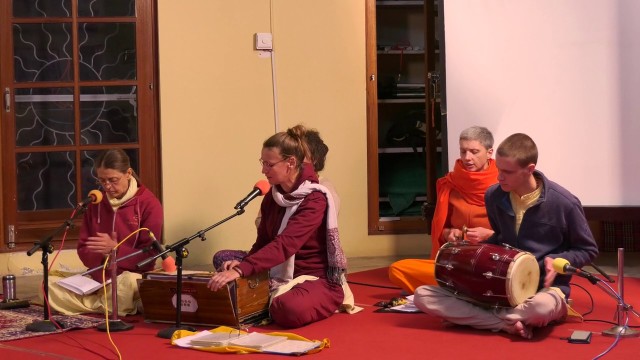
Evening satsang with Vishwaguruji from Jadan Ashram, Rajasthan, India. Bhajan singing.
Prana connects us
9:10 - 10:11 (61 min)
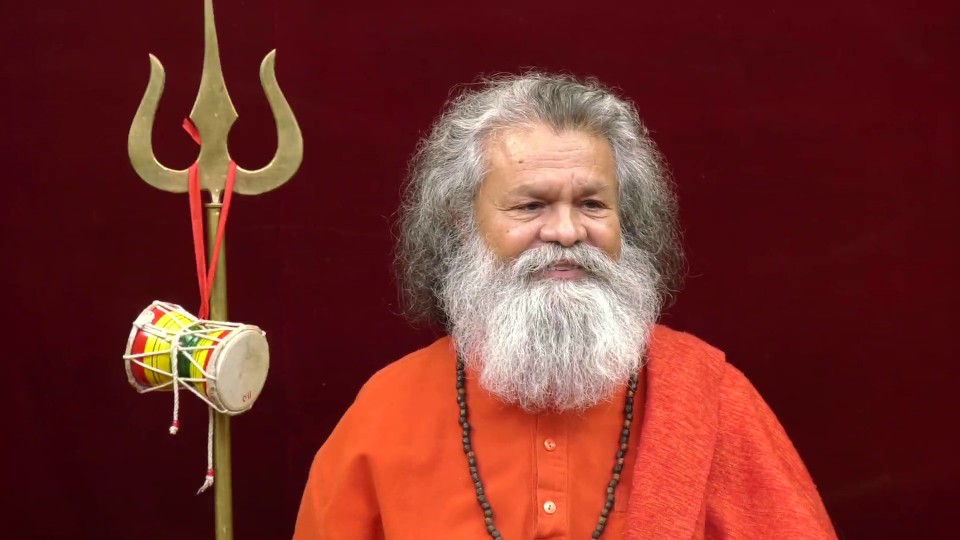
A spiritual discourse on prāṇa, the soul, and universal oneness.
"Prāṇa is in each and every cell in the body, your whole life inside."
"This connection is... not attachment... but it is a oneness."
Swami Ji addresses a global audience, exploring the nature of life force (prāṇa) that permeates all beings. He shares stories of yogis mastering the elements, discusses the soul's journey after death, and observes the profound feelings in animals. The talk distinguishes between egoistic attachment and spiritual oneness, concluding with the importance of love and compassion for all life.
Filming location: Jadan, Rajasthan, India
Returning to Nature: A Call for Natural Living and Ayurvedic Wisdom
10:15 - 11:12 (57 min)
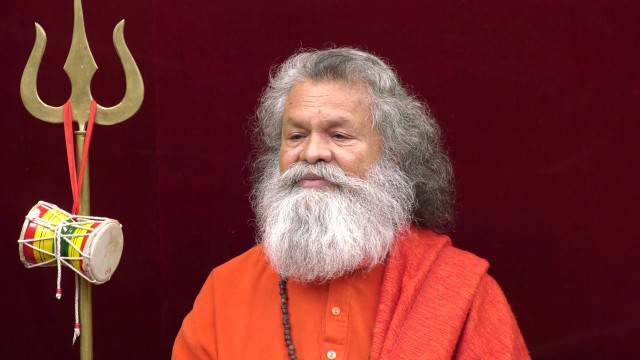
A spiritual discourse on returning to natural living and Ayurvedic wisdom, addressing environmental and health crises.
"Day by day, something very negative is emerging... This is Kali Yuga, and it is intensifying."
"We should return to nature... Beauty is our natural beauty. If we apply beauty products to our body, we are not embracing reality."
Swami Madhvanandaji addresses global issues like natural disasters, chemical pollution, and modern health problems, attributing them to a departure from natural living. He advocates for a return to Ayurveda and natural remedies, sharing specific practices like using neem and babool powder for dental health. He critiques modern science, genetically modified foods, and certain medical interventions like "egg banks," warning of societal and spiritual consequences. The talk includes personal experimentation with natural dental care and a call to embrace yoga and natural solutions.
Filming location: Bari Khatu, Rajasthan, India
Do we have seen God?
11:20 - 12:16 (56 min)
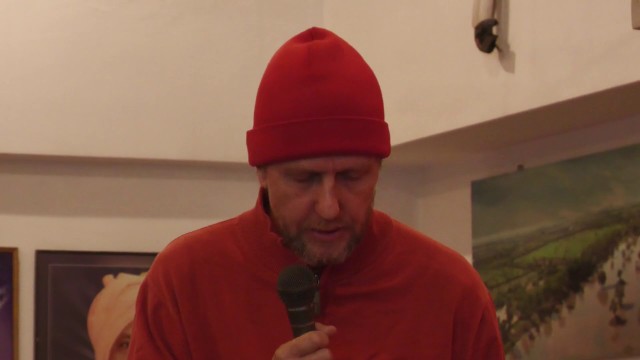
Evening satsang from Jaipur Ashram, Rajasthan, India. Swami Premanand told some beautiful greeting words from Jaipur Ashram. He remembers shortly about the history of Jaipur Ashram and his memories about Holiguruji who established this ashram. In this ashram, everybody can feel the atmosphere of peace harmony and understanding. Yoga is a science and not only a collection of physical practices. Yoga can give us that kind of knowledge to reach the Parabrahma Paramatma. We can see God in us. In meditation, we should go in and not out and we should trust in our master. Practising bhramari pranayam. Explanation of that technic and its influences.
Introduction to Bhramari Pranayama
12:20 - 13:15 (55 min)
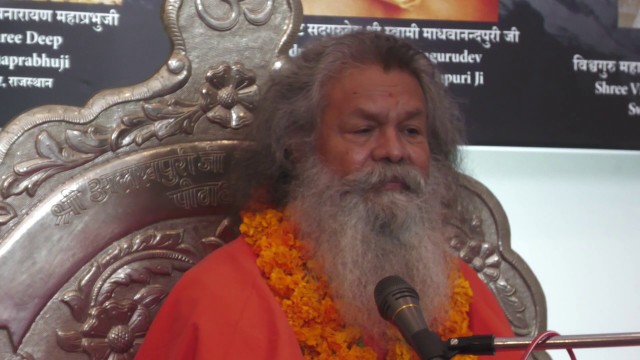
Evening satsang from Jaipur Ashram, Rajasthan India. Bhajan singing. Today, we will again deal with the Bhramari pranayama. Yoga is more than just doing exercises and meditation. Sound means vibration, words. When we speak, both hemispheres of the brain vibrate, and the Sanskrit language is very balanced in this respect. Bhramari pranayama also vibrates the brain hemispheres. Practicing Bhramari pranayama.
We must be in unity
13:20 - 14:14 (54 min)
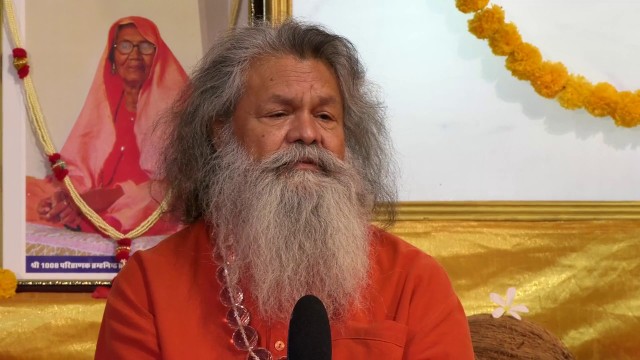
Evening satsang from Jadan Ashram, Rajasthan, India. We need to remain peaceful, and for that we need good, clean food. Many medicines contain substances derived from animals, but this should be avoided. Practitioners of Yoga in Daily Life all over the world live very clean lives, so they are less affected by the Coronavirus. Unfortunately, polluted food causes cancer, from which much suffering arises. We have to be one, because the reality described in our books is also one. This is Sanatana Dharma. Mahamandaleshwar Swami Gyaneshwarpuri's talk on the ancient scriptures.
We are here only temporarily
14:20 - 15:13 (53 min)
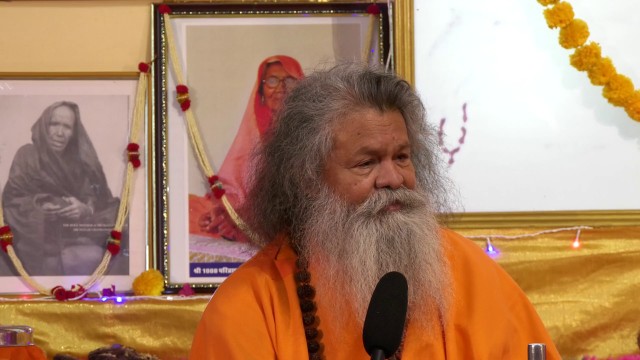
Evening satsang with Vishwaguruji from Jadan Ashram, Rajasthan, India. We came from cosmic. We are born from God. Nowadays there are many problems in families between parents and children or between brothers and sisters. God said to humans that we should love everyone and all other creatures also. The story of Siva and a rakshasa who wanted to learn to dance. We are here in our life only temporary. We should be in the present time. The story of three bhaktas from Gujarat who want to go to the Ganga. After death, everybody goes to one God. Bhajan singing.
Life is ever existing
15:20 - 16:11 (51 min)
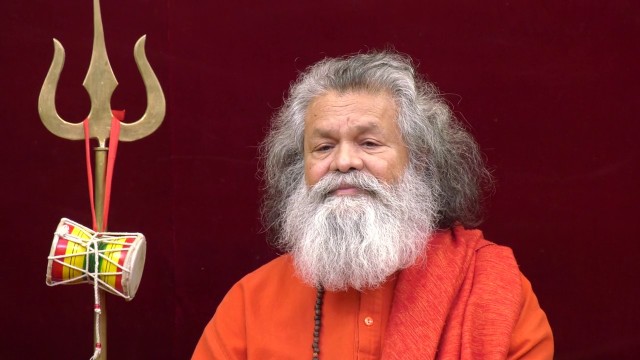
An evening satsang on the meaning of "Yoga in Daily Life" and the nature of spiritual determination (hatha).
"A child, and when the child wants to get something, he'll get it. Otherwise, he's crying, crying, crying... So this is hāṭha of the child."
"Eat all my body, but let my two eyes, because I want to see my God, my love."
The lecturer explains the name of the organization, "Yoga in Daily Life," as signifying practice integrated into everyday existence. He elaborates on the Sanskrit term "hatha," describing it as a determined will, and illustrates this through traditional stories, including a parable of a determined devotee whose unwavering desire to see God is ultimately tested and fulfilled. The talk concludes with prayers and a reminder of the soul's immortal nature.
Filming location: Strilky, Czech Republic
In reality there is no birth and death
16:15 - 17:03 (48 min)
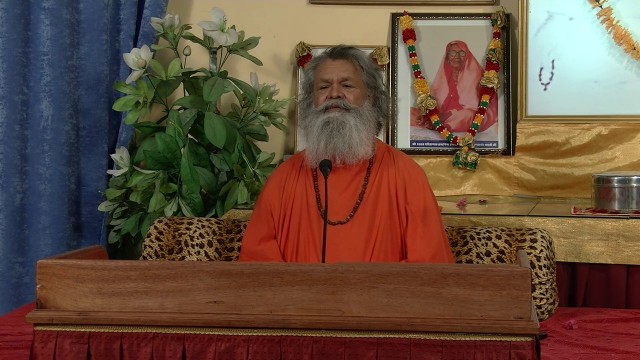
Evening satsang with Vishwaguruji from Jadan Ashram, Rajasthan, India. Our birthday was when our soul came from the cosmic to this world. So we don't know exactly that date. Our coming and going is a ring and we don't know where is beginning. We have three status awakening sleeping and dreaming. The story about a bird who was sitting on the top of the temple. It is not a problem for God if we worship him or not. Some people feel God in his heart and some are not. We don't know where will we go after our death. Bhajan singing.
Gurudev is for all of us
16:30 - 16:51 (21 min)
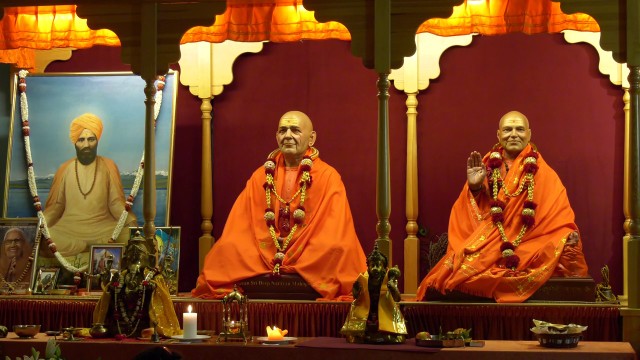
A spiritual discourse on unity, humility, and conduct within a community.
"Humans and our heart—we should be, and that is the best one, and that should have to be so."
"I'm not that God, but I'm only a servant, and a servant is for all."
A spiritual teacher addresses a gathering, emphasizing the oneness of the heart beyond physical or cultural differences. He discusses the need for humility, encouraging long-time attendees to make space for newcomers, and shares parables about compassion and containing anger. A listener interjects to agree and seek clarification on a practical ritual, to which the teacher responds by reiterating the core message of openness and inclusion.
Filming location: Vienna, Austria
Be happy and feel oneness
17:10 - 17:52 (42 min)
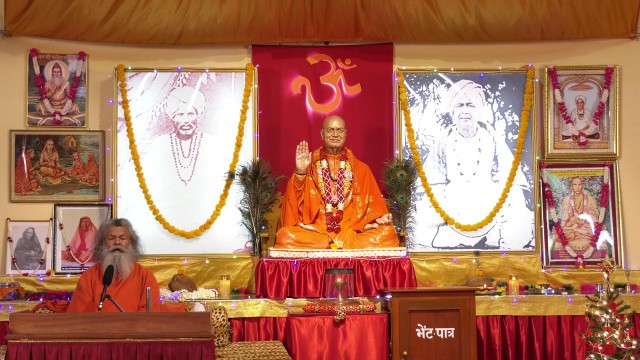
A New Year's reflection on human concepts, oneness, and inner peace.
"Where is the new year? The same sun, moon, and clouds remain, but humans try to make something again, to feel 'I am new.'"
"And when that oneness is realized, then there is nowhere to say 'this' or 'that.'... Everything is in our mental constructs."
The lecturer leads a satsang, questioning the human-made nature of the New Year and other divisions. He reflects on the eternal earth, the illusion of separation, and the conflicts between religions and individuals, urging everyone to realize fundamental oneness, be happy, and avoid making others angry. He uses metaphors like the ocean's surface versus its depths and concludes with travel plans for pilgrimage.
Filming location: Jadan, Rajasthan, India
Mahaprabhuji's Mahasamadhi Celebration (1/4)
18:00 - 18:38 (38 min)
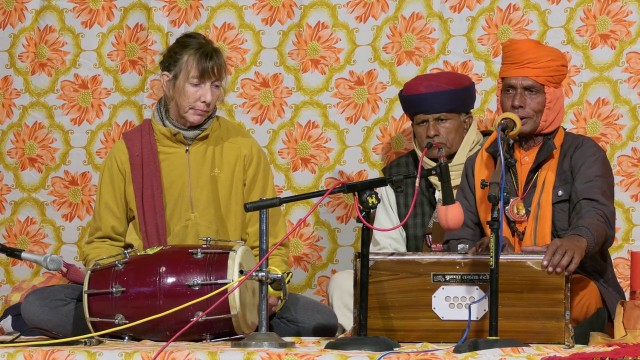
Satsang with Vishwaguruji on the occasion of Mahaprabhuji's Mahasamadhi, Om Ashram, Jadan, distr. Pali, Rajasthan, India.
Oneness
18:45 - 19:17 (32 min)
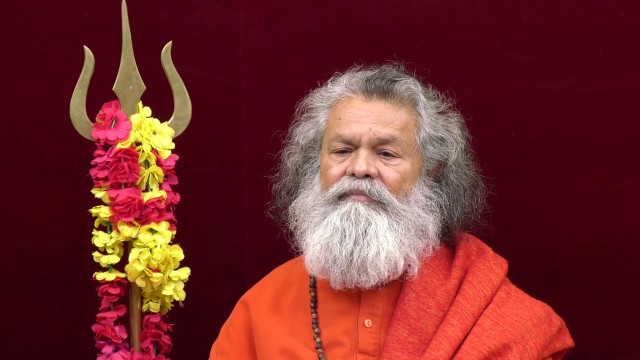
A year-end satsang on religious harmony, yoga traditions, and the necessity of the Guru.
"We should not believe that all other religions and their dates, their months and their observances, should be deleted."
"Without Gurudev, who can let us cross the ocean of that saṃsāra?"
The lecturer addresses the global Yoga in Daily Life community as the year closes. He emphasizes respecting all religions, cultures, and their calendars, warning against efforts to erase traditions. He explains the unity of yoga beneath different school names, using the analogy of a nation and its citizens. The core teaching is the indispensable role of the Satguru in guiding the soul beyond physical and mental practices toward liberation, ultimately paying homage to the lineage of Gurudev Swami Madhavanandaji.
Filming location: Strilky, Czech Republic
Bhajan evening in Jadan Ashram
19:25 - 20:43 (78 min)
Evening satsang with Vishwaguruji from Jadan Ashram, Rajasthan, India. Bhajan singing.
People are very good all over the world
20:50 - 21:25 (35 min)
A satsang reflecting on global religious festivals, human diversity, and the principle of non-violence.
"Similarly, I did not see all of them, but also the children, girls, and women, and they also have this. Also, mostly the Christians and the Muslims, they are also saying something, their prayers or something."
"So, many people are ceremonizing with the killing of animals... we have to do only good, no killing this and that."
Following opening chants, The lecturer addresses the global community, observing the recent New Year and Christmas celebrations. He describes the peaceful, devotional practices he has witnessed among Christians, Muslims, Jews, Indigenous Americans, Africans, Japanese, and others, emphasizing the underlying goodness and shared humanity across cultures. The talk centers on the ethic of non-violence (ahiṃsā), criticizing animal sacrifice and advocating for compassion toward all creatures, from ants to trees. He concludes by encouraging a life dedicated to spirituality.
Filming location: Jadan, Rajasthan, India
Darshan of Sri Alakhpuriji
21:30 - 22:48 (78 min)
Evening satsang with Vishwaguruji from Jadan Ashram, Rajasthan, India. The good qualities lead to development and health, while anger, hate, gossiping, and confused deeds lead to destruction. Doing certain movements as exercise is not enough. Singing bhajans including "Sataguru Alakhpuriji Avo". The first worship of the picture of Sri Alakhpuriji. The picture was painted according to the visions and guidance of Srí Vishwaguruji.
Bhajan evening in Jadan Ashram
22:55 - 0:13 (78 min)
Evening satsang with Vishwaguruji from Jadan Ashram, Rajasthan, India. Bhajan singing.
American
Australian