
European
Unity in spirituality
0:25 - 1:08 (43 min)
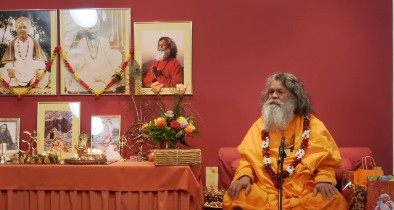
A Christmas satsang reflecting on spiritual unity and personal mission.
"Meine Mission oder meine Aufgabe von dem höheren und höchsten Gott, durch meinen Meister, einen Botschaften, ohne irgendwelchen Dualismus, alle Religionen, alle spirituellen Organisationen, etc., alles ist eins."
"Religion means to realize your relation to God; this is called religion. Realize, realize your relation to God."
The lecturer addresses a diverse European gathering during the Christmas season. He shares stories from his early days of teaching yoga across Austria and Eastern Europe, including travels by train and experiences in communist Czechoslovakia. He reflects on the life of Jesus and Mother Mary to illustrate themes of faith, societal judgment, and the universal message of oneness among all religions and peoples. The talk weaves personal anecdotes with spiritual philosophy, concluding with blessings for Christmas and the New Year.
Filming location: Austria
Hymns of Adoration and the Nirvāṇa Ṣaṭkam
1:15 - 1:38 (23 min)
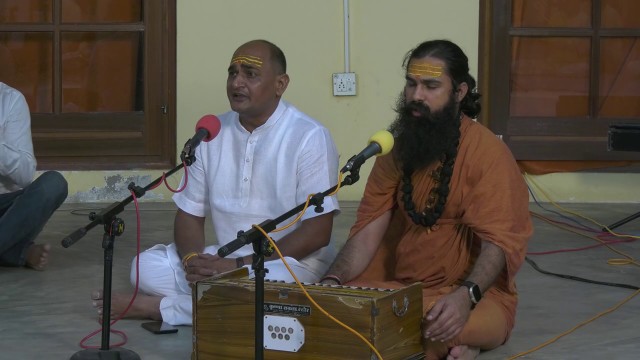
A devotional video featuring the chanting of Sanskrit hymns dedicated to Lord Shiva.
"Na me dveṣa rāgau. Na me lobho, na mādo, neva me neva sāryabhā. Na dharmo, na cārtho, na kāmo, na mokṣaḥ. Cidānanda-rūpaḥ śivo'ham, śivo'ham."
"Brahmā Murārī Surārchitaliṅgam, Nirmalabhāśita Śobhitaliṅgam, Janmajaḍukha Vināśakaliṅgam, Tat praṇamāmi Sadāśivaliṅgam."
The video consists of a continuous recitation of three primary hymns: the Rudrāṣṭakam, the Nirvāṇa Ṣaṭkam (a declaration of the true Self as consciousness and bliss), and the Liṅgāṣṭakam. The chanting is interspersed with and concluded by energetic salutations (jaya) to a lineage of spiritual masters, including Śrī Alakhpurīṣa Mahādeva, Śrī Devapurījī, Śrī Dīp Nārāyaṇa Mahāprabhujī, and others.
Filming location: Jadan, Rajasthan, India
How to keep our purity
1:45 - 2:09 (24 min)
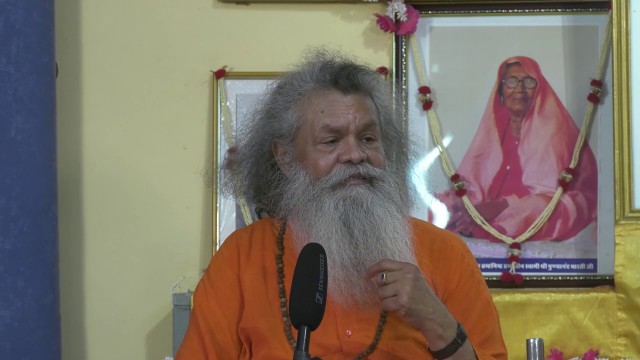
A spiritual discourse exploring themes of purity, perception, and human nature.
"In our whole body, everything, many, many things, and so those who are eating, not good eating meat and this and that, more or less they are, but those who are very pure in water and this and that. The people, they are very good."
"And when we open our eyes, then we see only, 'I am human.' I am human."
A speaker, likely a spiritual teacher, delivers a free-flowing talk that moves from observations about India's diversity and dietary habits to reflections on inner purity. The discourse touches on the purity of the earth and water, the nature of sleep and consciousness, and the importance of sensory control, using analogies like the eyes being "two sisters." The talk concludes with remarks about an ashram and a hope for future conduct.
Filming location: Jadan, Rajasthan, India
Yoga unites people
2:15 - 2:59 (44 min)
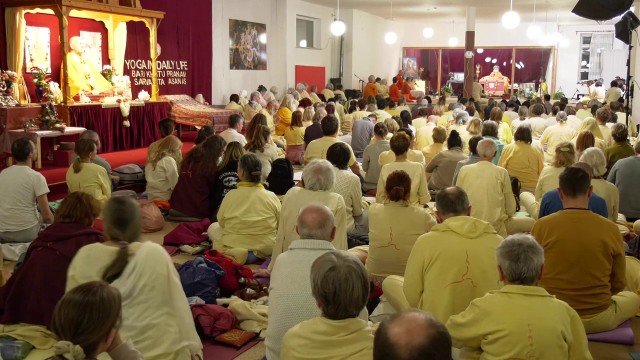
A satsang discourse on the universal essence of religious practice and human unity.
"I see everybody. I see everyone. And with that, it has come by so many things to have good things for me."
"In our heart, what is in our heart? Heart. Now everyone knows that it is that heart."
A spiritual teacher observes and compares morning rituals across Christianity, Islam, and Hinduism, noting the common structure of prayer, contribution, and community. He expresses concern over the perceived decline in traditional practice, using anecdotes from travels in Europe, and argues for a fundamental unity beyond religious labels, illustrated by the impartial care in a hospital. The talk concludes with an emphasis on shared humanity and the importance of personal spiritual practice.
Filming location: Strilky, Czech Republic
The Miraculous Heart
3:05 - 3:26 (21 min)
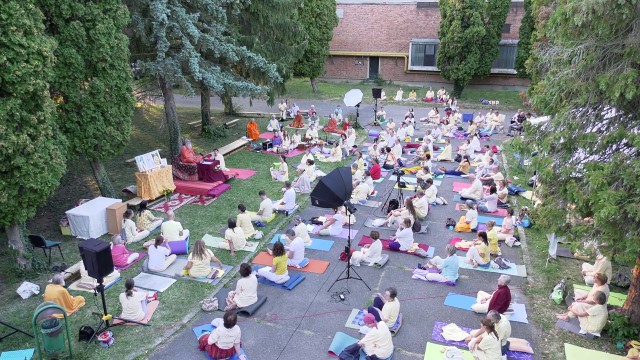
Evening satsang with Vishwaugurji from Vep, Hungary
We must become one
3:30 - 3:53 (23 min)
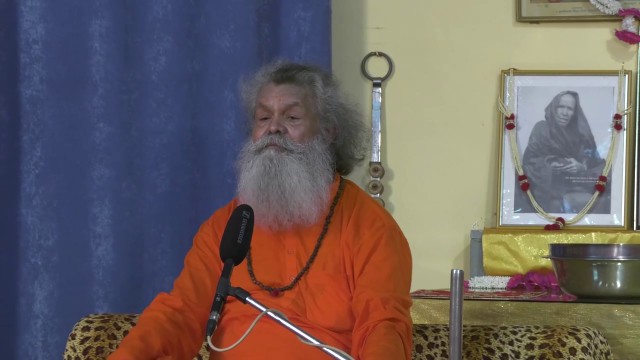
A spiritual discourse exploring the nature of consciousness during sleep and dreams.
"Night and day, what do we want? Only at night, in sleeping, this and that."
"And what is that? 'I was sleeping.' And when I was sleeping, and when there is sleep, and sleep is there, then I am nothing."
The speaker contemplates the states of deep sleep and dreaming, questioning the location and nature of the "I." He narrates a fragmented parable about an ascetic in a forest and recalls instructions from Bābājī about using a garland to fall asleep. The talk meanders through themes of self-identity, perception, and the desire for ultimate peace and unity, concluding with a focus on inner practice and bhajan.
Filming location: Jadan, Rajasthan, India
Open and relax your Vishuddhi Chakra
4:00 - 5:13 (73 min)
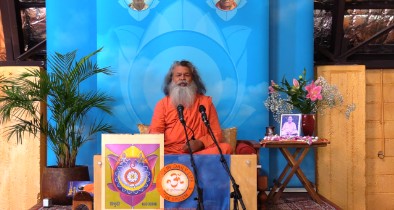
Morning Satsang with Vishwaguruji from Brisbane Ashram, Australia. Meditation through five chakras. There are many poisons in the world. So be positive. There are two kinds of societies: kusang and satsang. Kusang leads us to disaster and satsang leads us to divine happiness. The story of the struggle between devas and devils. Many diseases come to us because of physical or mental poisons.
The relation between Guru and disciple
5:20 - 6:24 (64 min)
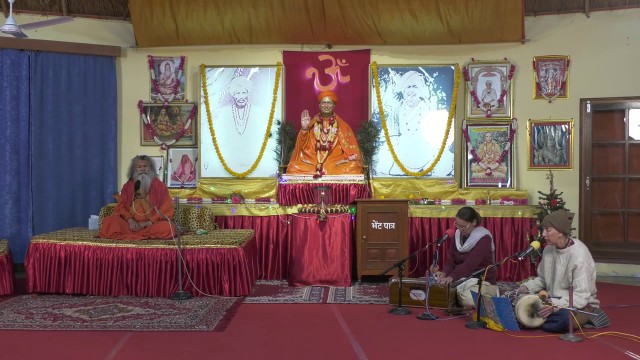
Evening satsang with Vishwaguruji from Jadan Ashram, Rajasthan, India. Holy Guruji and Sri Mahaprabhuji meeting in Jodhpur. How bhajans are performed in India and around the world. Guru and disciple are always in connection with each other. Just as the relationship between mother and child is forever, even if they are not physically in the same place.
Residence of the Soul
6:30 - 8:02 (92 min)
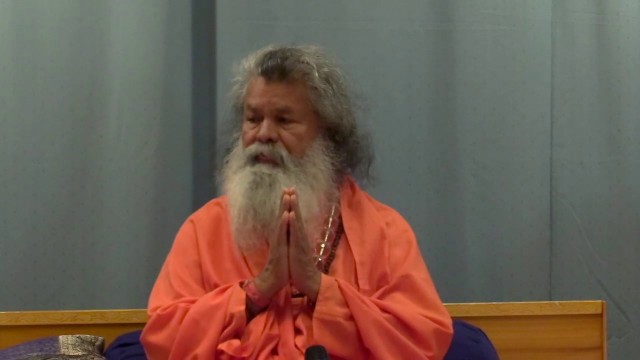
A spiritual discourse and practical workshop on energy, the soul, and the layers of human existence.
"Look at both your hands. Begin with the palms, just the palms. Keep them open... Do you feel a sensation in the hands, the palms and fingers?"
"In our bodies, of the humans, there is that light of God, and you can do what you want, it is yours."
A spiritual teacher leads a session beginning with practical exercises to awaken energy in the hands, describing it as a form of self-healing. He then transitions into a wide-ranging discourse on the nature of the soul, the five sheaths (kośas) of being, human karma, and family life. A disciple concludes the session by discussing the structure and eternal nature of the Vedas and Upanishads, explaining their coded language and the path to knowledge.
Filming location: Melbourne, Australia
We come and go
8:10 - 8:56 (46 min)
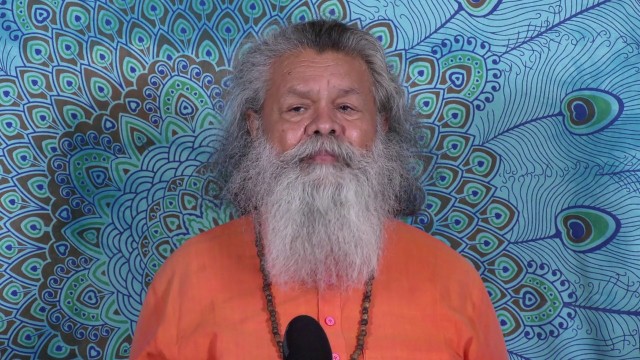
A spiritual talk and community address in a holy place after a long absence.
"After a long time, we are again here—nearly about three years or a little more. We were all very much thinking about when we would come here for our practice, yoga, etc."
"The memory, the memory remains... But they are gone. Their body is gone. But they remain. What? Their name. Their name. And this name remains forever."
Swami Maheshvaranandji addresses a gathering, reflecting on the long-awaited return to a sacred location and honoring the legacy of devotees like Krishnananda. He discusses the eternal nature of the Guru's name, the human journey from animal-like origins to spiritual awareness, and offers guidance on diet, dress, and the importance of practice for health and spiritual growth. The talk includes personal observations and calls for communal participation.
Filming location: Vép, Hungary
We should have a flame
9:00 - 9:56 (56 min)
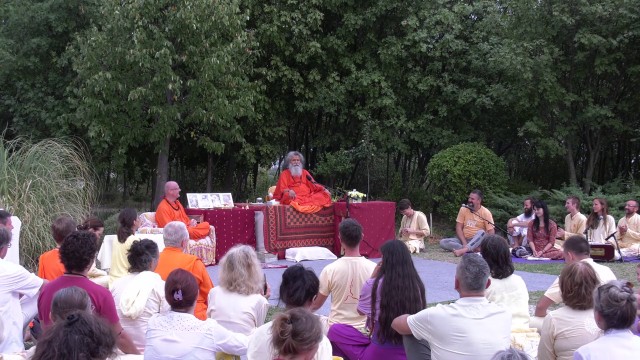
A spiritual discourse weaving personal anecdotes with teachings on discipline, the guru-disciple relationship, and reverence for all life.
"Those who are awake and active during Brahmamuhūrta become very spiritual; everything comes to them."
"We are all a lamp... as long as there is oil, the flame will come."
The speaker recounts childhood lessons from his Gurujī about the spiritual importance of the pre-dawn hour and shares stories of other disciples, like Phoolpurījī, to illustrate the transformative power of a guru's guidance. He expands into a metaphor of the individual soul as a flame, emphasizing interconnectedness, and concludes with reflections on non-violence, compassion for all creatures, and the sanctity of Mother Earth, referencing the conduct of Buddha and the perceived moral decline of modern times.
Filming location: Rijeka, Croatia
Practice with Swamiji
10:00 - 11:07 (67 min)
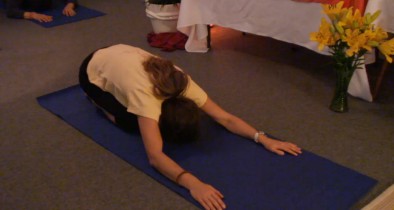
Practice with Swamiji from Auckland, New Zealand.
Feel your heart
11:15 - 11:31 (16 min)
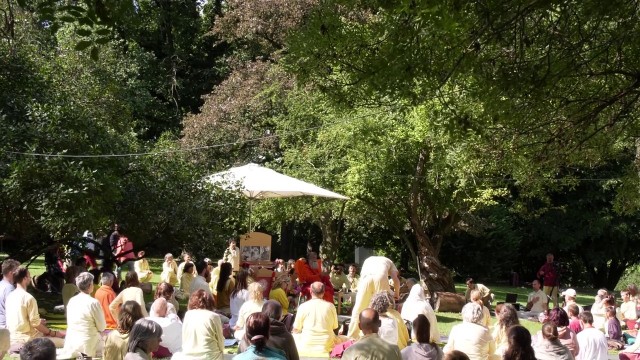
A guided meditation on heart-centered awareness and breath.
"Place your right hand gently on your heart. You will feel warmth. The breath originates from here; it is warm."
"The main thing is only to think in your heart. This is not easy. We think about other people, about where we are going, or what we can do."
A spiritual teacher guides participants through a meditation, instructing them to place a hand on the heart to feel its warmth as the source of the breath. The focus shifts between the heart and the navel, with an emphasis on inward attention, a straight posture, and a gentle breath. The teacher interjects with lighthearted, practical remarks to maintain a relaxed atmosphere while explaining the significance of these points from a yogic perspective regarding prāṇa.
Filming location: Strilky, Czech Republic
Yoga is One
11:35 - 12:06 (31 min)
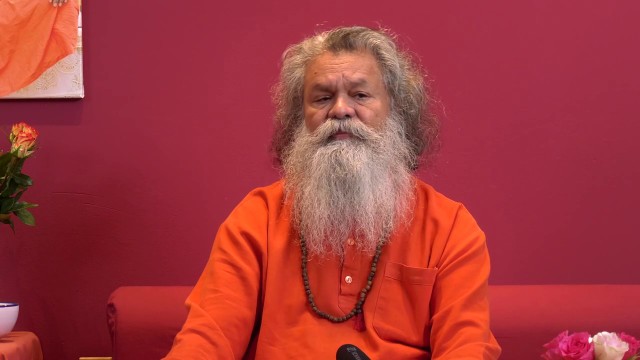
A spiritual talk on the principles and practice of yoga in daily life.
"Yoga is the yoga. It’s the yoga, that’s all then. There’s nothing else."
"Yoga in daily life... means we should practice every day. That’s all. And that is for everyone, whether they are Hindus, Muslims, Christians, or anybody."
The speaker addresses a group, holding up the system's foundational book. He emphasizes that true yoga requires daily practice according to these teachings, not just theoretical knowledge. He discusses the importance of ethical living, notably vegetarianism, criticizes the dilution of yoga by other systems, and urges a return to disciplined, foundational practice. The talk meanders through topics including dietary rules, the global spread of yoga, and personal anecdotes.
Filming location: Austria
Unity in spirituality
12:10 - 12:53 (43 min)
A Christmas satsang reflecting on spiritual unity and personal mission.
"Meine Mission oder meine Aufgabe von dem höheren und höchsten Gott, durch meinen Meister, einen Botschaften, ohne irgendwelchen Dualismus, alle Religionen, alle spirituellen Organisationen, etc., alles ist eins."
"Religion means to realize your relation to God; this is called religion. Realize, realize your relation to God."
The lecturer addresses a diverse European gathering during the Christmas season. He shares stories from his early days of teaching yoga across Austria and Eastern Europe, including travels by train and experiences in communist Czechoslovakia. He reflects on the life of Jesus and Mother Mary to illustrate themes of faith, societal judgment, and the universal message of oneness among all religions and peoples. The talk weaves personal anecdotes with spiritual philosophy, concluding with blessings for Christmas and the New Year.
Filming location: Austria
Part 1: Iyengar Yoga During Pregnancy: A Synthesis of Tradition and Experience
13:00 - 14:42 (102 min)
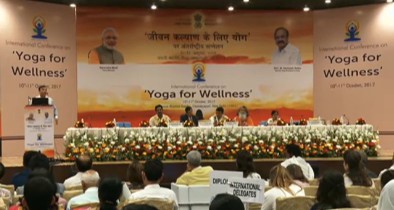
A lecture on applying Iyengar Yoga to pregnancy, blending scientific and experiential perspectives.
"Yoga is one, like God is one; different people call it by different names. There is nothing like Iyengar Yoga."
"Āsanas are descriptions, not prescriptions... the practice must be partly individualized within that framework under the guidance of an experienced teacher."
Dr. Rajiv Mehta, a scientist and longtime Iyengar student, explains the methodology's use of props for precision and safety. She details how tailored yoga can address pregnancy's physical and emotional challenges—like back pain, stress, and hormonal changes—by strengthening the body, calming the mind, and preparing for delivery, while strongly emphasizing the need for expert guidance and collaboration with modern medicine.
Filming location: Delhi, India
Comparison of India and Australia
14:30 - 14:48 (18 min)
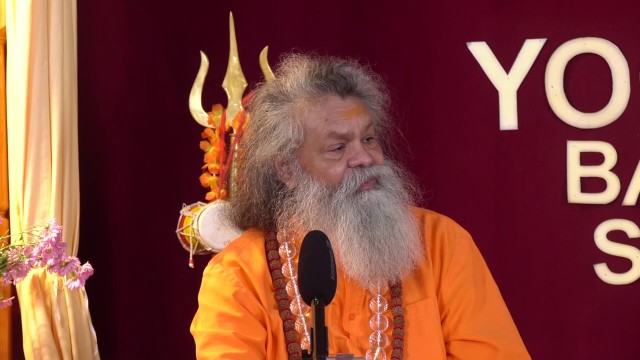
A personal account of traveling in the Australian outback and reflections on Aboriginal culture.
"Before I went, I thought it was a desert like the sands of Arabia. But it's actually not really like that."
"I'm not really accepted in the Western culture because I'm black. And if he visits his Aboriginal parents, they say, 'Oh, you talk like a white fella,' and they don't really accept him there either."
The speaker recounts a desert trip with Swāmījī, describing the vast, empty landscape and improvised camping. He shares an encounter with an Aboriginal man drawn to Swāmījī and discusses the complex, often painful position of Aboriginal people in Australian society, touching on cultural destruction, forced assimilation, and lingering identity struggles.
Filming location: Strilky, Czech Republic
Yoga in Daily Life: Health Promotion in the Czech Republic
14:45 - 14:58 (13 min)
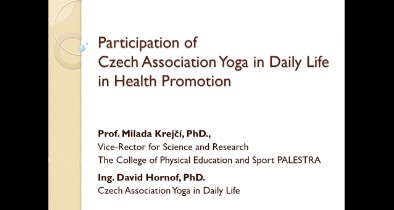
A presentation on the integration of yoga into national health strategy in the Czech Republic.
"The main message of Yoga in Daily Life is the constant endeavor to support health promotion systematically through yoga training on four levels: the physical, mental, social, and spiritual."
"Today, we are the biggest yoga association in the Czech Republic... this harmonizing of the physical, mental, social, and spiritual level, is truly the only chance to keep peace and development in our society."
A representative of the Czech Association of Yoga in Daily Life addresses a conference, detailing the organization's role in national health promotion since 1973. He aligns the yoga system's four-level approach with the Czech government's National Health Strategy 2020, highlighting specific action plans where yoga can contribute, such as promoting physical activity and mental health. The presentation concludes with statistical growth and a tribute to the founding inspiration of Vishwaguruji.
Filming location: Prague, Czech Republic
Vegetarian cooking lesson 7, Prosa Hungarian cake
15:00 - 15:12 (12 min)

A cooking demonstration for a traditional Hungarian sweet dish called prósa.
"The longest part is the baking, which takes 40 minutes at 200 degrees Celsius."
"This is one of the simplest sweet foods from around the world."
Sándor Szabó from Nyíregyháza demonstrates how to make prósa during an international Yoga in Daily Life seminar. He mixes yogurt with white and brown wheat flour to create a batter, spreads it thinly on an oiled pan, and tops it with brown sugar and plum jam before baking. He explains the dish's origins as simple farmer food and shows the finished, cut-up result.
Filming location: Vép, Hungary
Vishwaguruji in Jadan Ashram
15:20 - 15:35 (15 min)
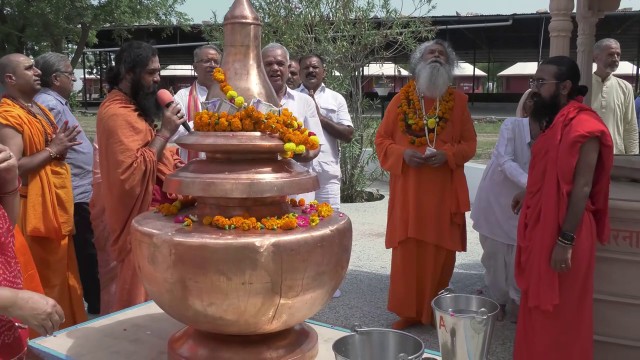
Report on Vishwagurujis daily activities from Jadan Ashram, Rajasthan, India.
The sleep makes you healthy
15:40 - 15:58 (18 min)
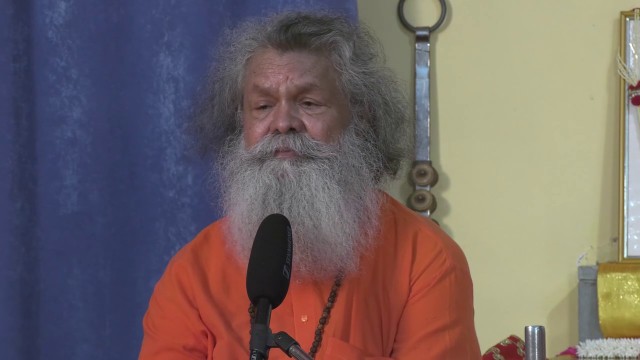
A spiritual discourse on the nature of sleep, consciousness, and the self.
"we are sleeping, but that is not us."
"Sleep will make us happy again, healthy, everything. So therefore, please sleep."
A spiritual teacher addresses an international gathering at an ashram, exploring the profound state of sleep. He describes how the true self withdraws from the body during deep sleep, discusses the travel of consciousness in dreams, and contrasts ordinary sleep with the yogic practice of yoga nidrā. The talk emphasizes achieving peace and correct understanding to sleep properly, without reliance on medicine.
Filming location: Jadan, Rajasthan, India
We must become one
16:05 - 16:28 (23 min)
A spiritual discourse exploring the nature of consciousness during sleep and dreams.
"Night and day, what do we want? Only at night, in sleeping, this and that."
"And what is that? 'I was sleeping.' And when I was sleeping, and when there is sleep, and sleep is there, then I am nothing."
The speaker contemplates the states of deep sleep and dreaming, questioning the location and nature of the "I." He narrates a fragmented parable about an ascetic in a forest and recalls instructions from Bābājī about using a garland to fall asleep. The talk meanders through themes of self-identity, perception, and the desire for ultimate peace and unity, concluding with a focus on inner practice and bhajan.
Filming location: Jadan, Rajasthan, India
The Miraculous Heart
16:35 - 16:56 (21 min)
Evening satsang with Vishwaugurji from Vep, Hungary
Evening Satsang from Slovenska Vas
17:00 - 17:22 (22 min)
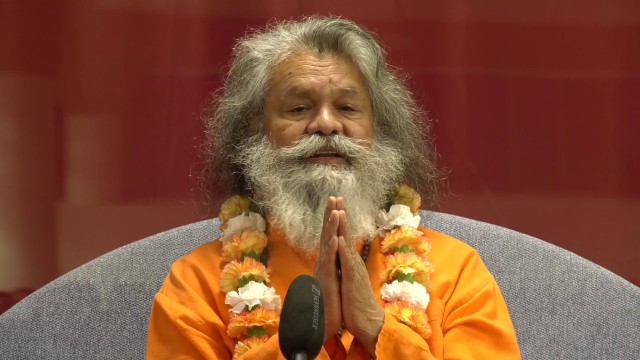
Evening satsang with Vishwaguruji from Slovenska Vas, Slovenia.
Yoga unites people
17:30 - 18:14 (44 min)
A satsang discourse on the universal essence of religious practice and human unity.
"I see everybody. I see everyone. And with that, it has come by so many things to have good things for me."
"In our heart, what is in our heart? Heart. Now everyone knows that it is that heart."
A spiritual teacher observes and compares morning rituals across Christianity, Islam, and Hinduism, noting the common structure of prayer, contribution, and community. He expresses concern over the perceived decline in traditional practice, using anecdotes from travels in Europe, and argues for a fundamental unity beyond religious labels, illustrated by the impartial care in a hospital. The talk concludes with an emphasis on shared humanity and the importance of personal spiritual practice.
Filming location: Strilky, Czech Republic
Hymns of Adoration and the Nirvāṇa Ṣaṭkam
18:20 - 18:43 (23 min)
A devotional video featuring the chanting of Sanskrit hymns dedicated to Lord Shiva.
"Na me dveṣa rāgau. Na me lobho, na mādo, neva me neva sāryabhā. Na dharmo, na cārtho, na kāmo, na mokṣaḥ. Cidānanda-rūpaḥ śivo'ham, śivo'ham."
"Brahmā Murārī Surārchitaliṅgam, Nirmalabhāśita Śobhitaliṅgam, Janmajaḍukha Vināśakaliṅgam, Tat praṇamāmi Sadāśivaliṅgam."
The video consists of a continuous recitation of three primary hymns: the Rudrāṣṭakam, the Nirvāṇa Ṣaṭkam (a declaration of the true Self as consciousness and bliss), and the Liṅgāṣṭakam. The chanting is interspersed with and concluded by energetic salutations (jaya) to a lineage of spiritual masters, including Śrī Alakhpurīṣa Mahādeva, Śrī Devapurījī, Śrī Dīp Nārāyaṇa Mahāprabhujī, and others.
Filming location: Jadan, Rajasthan, India
Bhajan singing from Jadan
18:50 - 19:07 (17 min)
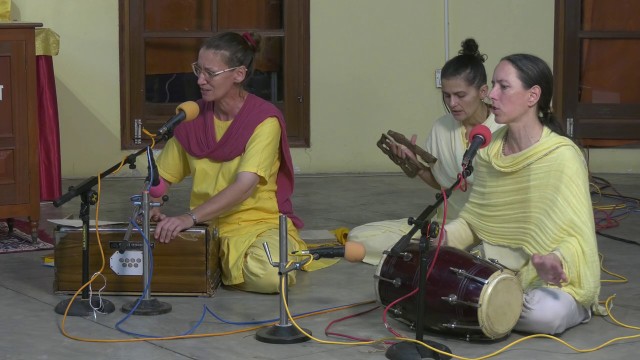
Evening satsang with Vishwaguruji from Jadan Ashram, Rajasthan, India.
How to keep our purity
19:15 - 19:39 (24 min)
A spiritual discourse exploring themes of purity, perception, and human nature.
"In our whole body, everything, many, many things, and so those who are eating, not good eating meat and this and that, more or less they are, but those who are very pure in water and this and that. The people, they are very good."
"And when we open our eyes, then we see only, 'I am human.' I am human."
A speaker, likely a spiritual teacher, delivers a free-flowing talk that moves from observations about India's diversity and dietary habits to reflections on inner purity. The discourse touches on the purity of the earth and water, the nature of sleep and consciousness, and the importance of sensory control, using analogies like the eyes being "two sisters." The talk concludes with remarks about an ashram and a hope for future conduct.
Filming location: Jadan, Rajasthan, India
The materialized OM
19:45 - 20:07 (22 min)
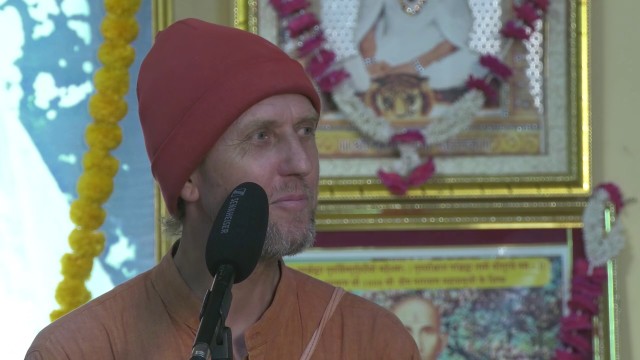
An address to the ashram community about the final push to complete the Omāśram temple.
"Four months will pass like the blinking of an eye."
"It is a part of our work to make it happen that this crown will now be presented to Swāmījī."
A speaker addresses the gathered residents and volunteers, emphasizing the imminent opening ceremony of the home temple. He describes the transformative energy brought by Gurudev's presence and the accelerated pace of work, urging everyone to participate and to invite skilled helpers from abroad. The talk reflects on the ashram's profound growth over decades and frames the project as a divine vision materializing for the benefit of future generations.
Filming location: Jadan, Rajasthan, India
Feel your heart
20:15 - 20:31 (16 min)
A guided meditation on heart-centered awareness and breath.
"Place your right hand gently on your heart. You will feel warmth. The breath originates from here; it is warm."
"The main thing is only to think in your heart. This is not easy. We think about other people, about where we are going, or what we can do."
A spiritual teacher guides participants through a meditation, instructing them to place a hand on the heart to feel its warmth as the source of the breath. The focus shifts between the heart and the navel, with an emphasis on inward attention, a straight posture, and a gentle breath. The teacher interjects with lighthearted, practical remarks to maintain a relaxed atmosphere while explaining the significance of these points from a yogic perspective regarding prāṇa.
Filming location: Strilky, Czech Republic
The Miraculous Heart
20:35 - 20:56 (21 min)
Evening satsang with Vishwaugurji from Vep, Hungary
A Welcome Address on Peace and Yoga
21:00 - 21:07 (7 min)
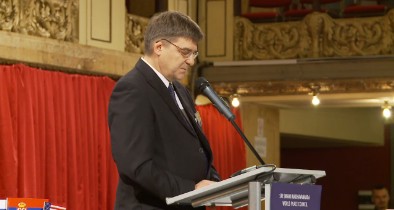
A welcome address at a yoga and peace conference in Prague.
"Peace is a condition for which mankind has been longing to reach for thousands of years. But outer life circumstances are merely a reflection of the inner world of human beings."
"Through the system of Yoga in Daily Life given to us by Viśwa Gurujī, many thousands of people all over the world develop peace inside through practicing spiritual techniques."
A speaker from the International Śrī Svāmī Māta Vānanda Fellowship welcomes attendees, opening with a traditional peace mantra. The address frames world peace as an inner achievement, advocating for the "Yoga in Daily Life" system as a path to nonviolence. It honors the spiritual lineage of Viśwa Gurujī and Mahāprabhujī, and references the founding of a World Peace Council.
Filming location: Prague, Czech Republic
Around the world - World peace in your hands
21:15 - 21:18 (3 min)

A promotional video about the Yoga in Daily Life organization and its founder, Paramahaṁsa Svāmī Maheśvarānanda.
"All elements are balanced in a perfect way, and that balancing principle, that is what I call yoga."
"Be the change you want to see."
The video profiles the global humanitarian and spiritual work of Svāmījī, founder of Yoga in Daily Life. It details the organization's reach, its United Nations affiliation, and its practical projects in education, healthcare, environmental protection, and interfaith dialogue aimed at fostering inner and world peace.
We should have a flame
21:25 - 22:21 (56 min)
A spiritual discourse weaving personal anecdotes with teachings on discipline, the guru-disciple relationship, and reverence for all life.
"Those who are awake and active during Brahmamuhūrta become very spiritual; everything comes to them."
"We are all a lamp... as long as there is oil, the flame will come."
The speaker recounts childhood lessons from his Gurujī about the spiritual importance of the pre-dawn hour and shares stories of other disciples, like Phoolpurījī, to illustrate the transformative power of a guru's guidance. He expands into a metaphor of the individual soul as a flame, emphasizing interconnectedness, and concludes with reflections on non-violence, compassion for all creatures, and the sanctity of Mother Earth, referencing the conduct of Buddha and the perceived moral decline of modern times.
Filming location: Rijeka, Croatia
How to keep our purity
22:25 - 22:49 (24 min)
A spiritual discourse exploring themes of purity, perception, and human nature.
"In our whole body, everything, many, many things, and so those who are eating, not good eating meat and this and that, more or less they are, but those who are very pure in water and this and that. The people, they are very good."
"And when we open our eyes, then we see only, 'I am human.' I am human."
A speaker, likely a spiritual teacher, delivers a free-flowing talk that moves from observations about India's diversity and dietary habits to reflections on inner purity. The discourse touches on the purity of the earth and water, the nature of sleep and consciousness, and the importance of sensory control, using analogies like the eyes being "two sisters." The talk concludes with remarks about an ashram and a hope for future conduct.
Filming location: Jadan, Rajasthan, India
We come and go
22:55 - 23:41 (46 min)
A spiritual talk and community address in a holy place after a long absence.
"After a long time, we are again here—nearly about three years or a little more. We were all very much thinking about when we would come here for our practice, yoga, etc."
"The memory, the memory remains... But they are gone. Their body is gone. But they remain. What? Their name. Their name. And this name remains forever."
Swami Maheshvaranandji addresses a gathering, reflecting on the long-awaited return to a sacred location and honoring the legacy of devotees like Krishnananda. He discusses the eternal nature of the Guru's name, the human journey from animal-like origins to spiritual awareness, and offers guidance on diet, dress, and the importance of practice for health and spiritual growth. The talk includes personal observations and calls for communal participation.
Filming location: Vép, Hungary
Live webcast from Strilky
23:00 - 0:30 (90 min)
Evening satsang with Vishwaguruji from Strilky Ashram, Czech Republic.
Open and relax your Vishuddhi Chakra
23:45 - 0:58 (73 min)
Morning Satsang with Vishwaguruji from Brisbane Ashram, Australia. Meditation through five chakras. There are many poisons in the world. So be positive. There are two kinds of societies: kusang and satsang. Kusang leads us to disaster and satsang leads us to divine happiness. The story of the struggle between devas and devils. Many diseases come to us because of physical or mental poisons.
American
Australian