
European
God shall never disappoint you
0:15 - 1:08 (53 min)
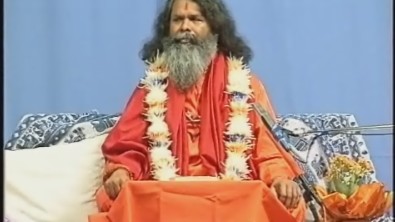
Lecture by Swamiji from Umag, Croatia, September 2000
Webcast from Auckland
1:15 - 1:55 (40 min)
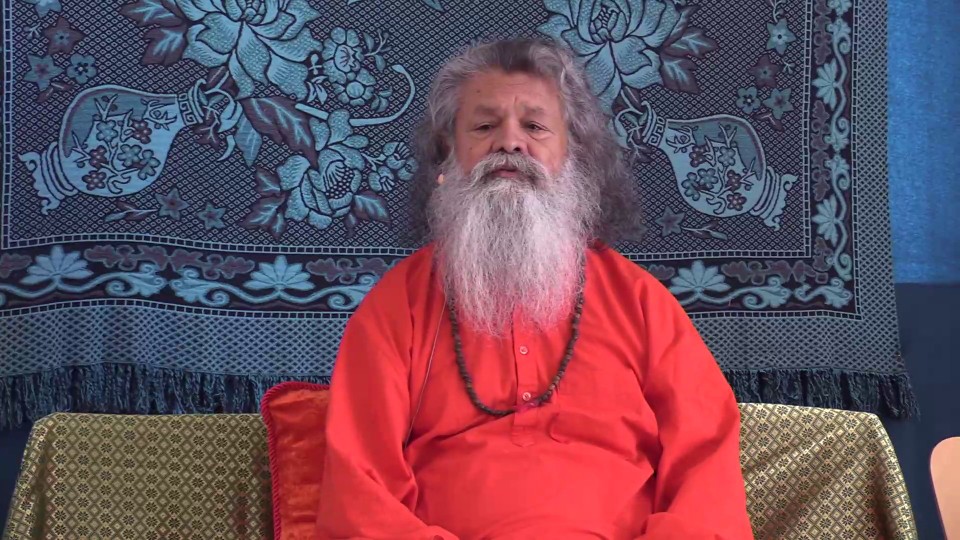
Morning satsang with Vishwaguruji from Auckland, New Zealand.
Keep the flame still
2:00 - 2:38 (38 min)
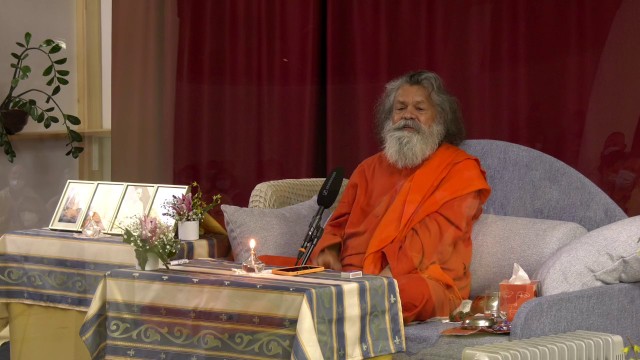
A spiritual discourse on maintaining the sacred flame of life within daily householder and community practice.
"You are already a yogī. You possess that science, yet you seek yogic attainment."
"This flame is what we call our ātmā, our spirit, which then departs. So when this is happening, we must learn from it."
The lecturer addresses a gathering, weaving together themes from the Yoga in Daily Life system. He emphasizes the dignity of the householder path, advocating for marriage and family life as spiritually vital. Using the extended metaphor of an oil lamp, he explains the body, life force, and spirit, urging the daily practice of lighting a lamp and maintaining temple pūjā in āśramas to nurture collective spirituality and personal health. He shares personal anecdotes and practical instructions, concluding with blessings and travel plans.
Filming location: Slovenia
The forms of God
2:45 - 3:19 (34 min)
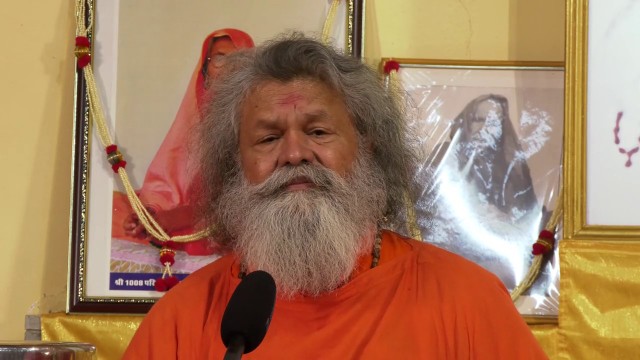
A spiritual discourse on the journey of the soul and the nature of divinity.
"Bhagavān does not remain confined to any one place. Bhagavān Rāma also departed; He too left. But the name is of Bhagavān, is it not?"
"The ātman does not say, 'I am Hindu,' or 'I am Muslim,' or 'I am this,' or 'I am that.' The ātman is one and the same."
The speaker delivers a wide-ranging monologue, contemplating the evolution of human consciousness, the appearance of divine figures like Rama and Krishna, and the eternal nature of the soul. Key themes include the critique of meat-eating and alcohol, the oneness of the self (ātman) beyond religious labels, and a call to return to the principles of Sanātana Dharma. The talk uses metaphors of water cycles and seeds to illustrate spiritual concepts and concludes with a devotional prayer.
Filming location: Jadan, Rajasthan, India
Live spiritual life
3:25 - 3:58 (33 min)
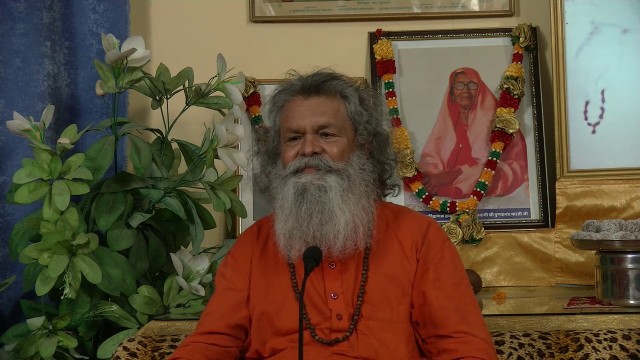
Evening satsang with Vishwaguruji from Jadan Ashram, Rajasthan, India. India is closed for four days because of the corona. It has more time to overthink our life. Spirituality is in our mind in our heart and in our feelings. Spiritual people are praying for others and animals also. Birds can trust in the tiger and lion but not in the human. The story about some sadhu from Gujarat and a tiger. Bhajan singing.
Practicing Bari Khatu Pranam
4:05 - 4:56 (51 min)
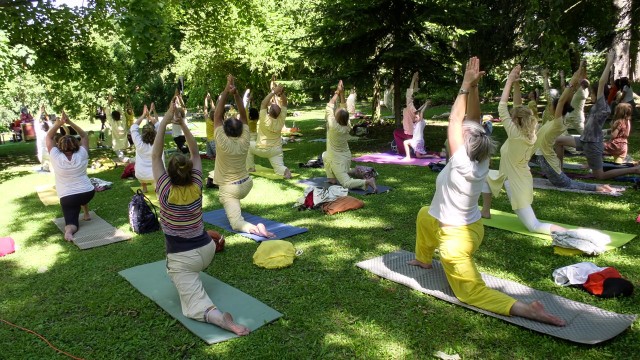
Morning satsang with Vishwaguruji from Strilky Ashram, Czech Republic. After a physical activity like soccer, running or walking we have to practice yoga exercises. But not yoga sitting because the body is too hard for that. Explanation and demonstration of how to practice Bhari Khatu correctly.
Practice with concentration
5:00 - 6:14 (74 min)
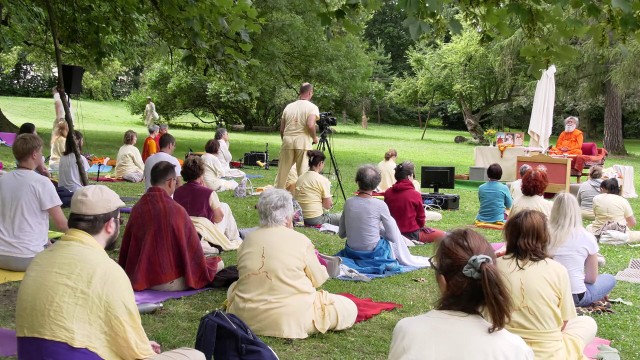
Morning satsang with Vishwaguruji from Strilky Ashram, Czech Republic. Practising Bari Khatu Pranam relaxation. Explanation of the sound and movement of bhramari. The story of how a bhramari makes a worm to bhramari. Many things we learnt from nature. Practising bhramari pranayama. We can feel the vibration of bhramari in the Sanskrit language. During bhramari we can feel the vibration in the navel in our head and the chest. We were informed about the last 12 months' program of the International Madhawananda World Peace Council.
Yoga Nidra or bhajan singing is like meditation
6:20 - 7:35 (75 min)
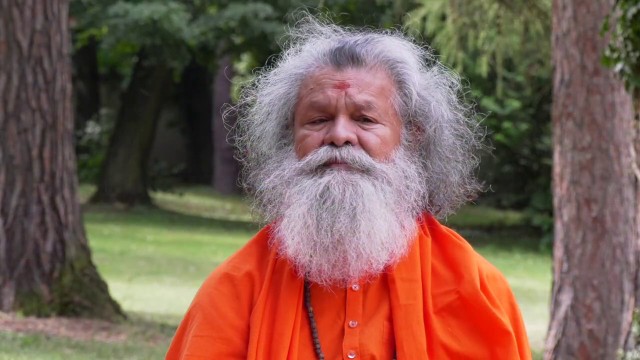
Morning satsang with Vishwaguruji from Strilky Ashram, Czech Republic. Singing bhajan Yogi jano ki Yoga Nidra. Bhajans sometimes are like meditation. We are awakened but in that state, it is very good to do yoga nidra or sing bhajans. There is a difference between yogi and rogi. The story of a great yogi and a young girl in Jaipur. The other story of an Italian professor and Vishwaguruji. The story of why Vishwaguruji changed the name of savasana to anandasana. Practising relaxation and bhramari pranayama.
Yoga and Life
7:40 - 8:50 (70 min)
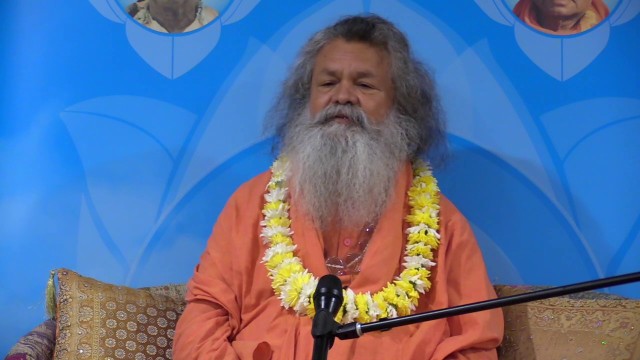
Evening satsang with Vishwaguruji from Gold Coast, Australia. Yoga is the science of humans. Yoga is the cosmic power. Physical exercise is a part of the yogic science for achieving good health. The soul should enter into the cosmic light during this life. Water is life. We should respect the water and avoid wasting it. Explanation and demonstration of chanting OM.
Webcast from Auckland
8:55 - 9:35 (40 min)
Morning satsang with Vishwaguruji from Auckland, New Zealand.
The Eternal Dharma and the Legacy of Alak Purī
9:40 - 10:54 (74 min)
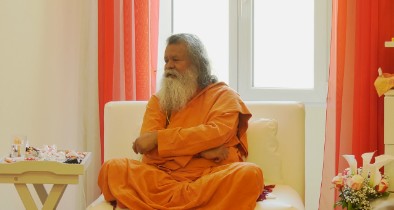
A satsang discourse on the eternal dharma, spiritual lineage, and parables.
"Sanātana Dharma is not one person's religion. Sanātana is not only from the humans. It is everything: the trees, the animals, the entire balance of our earth—harmony, understanding, and creation."
"Human consciousness and the human mind are always changing. But we have to go to the very ancient roots, to the roots of our spirituality, which we have come back to, which is from the Satya Yuga."
The lecturer addresses the community in a newly established ashram, blessing its beginnings. He speaks on the timeless nature of Sanatana Dharma, the spiritual history of the location, and the lineage from Alak Purī through Devpurī to the present. He shares a lengthy parable about a merchant's son misinterpreting his father's testament to illustrate the need for wisdom over literal understanding, and recounts stories connecting the Alaknanda River, the Himalayas, and figures like Vedavyasa and Shiva to this spiritual heritage.
Filming location: Slovenia
Practice from Auckland with MM Vivekpuri
11:00 - 12:00 (60 min)
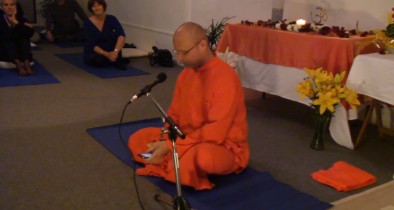
Auckland, New Zealand
Everything is within thyself
12:05 - 12:31 (26 min)
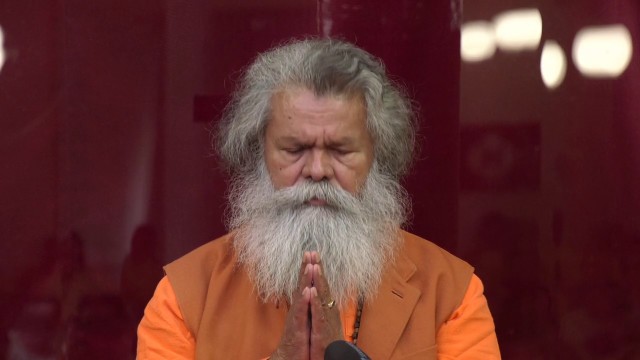
Morning satsang with Vishwaguruji from Strilky Ashram, Czech Republic. Practising simple asanas with concentration. we will become one day only one. Every morning we should know that we are human. We should greet water also every morning. Relaxation.
Live spiritual life
12:35 - 13:08 (33 min)
Evening satsang with Vishwaguruji from Jadan Ashram, Rajasthan, India. India is closed for four days because of the corona. It has more time to overthink our life. Spirituality is in our mind in our heart and in our feelings. Spiritual people are praying for others and animals also. Birds can trust in the tiger and lion but not in the human. The story about some sadhu from Gujarat and a tiger. Bhajan singing.
Yoga is for tho whole world
13:15 - 13:58 (43 min)
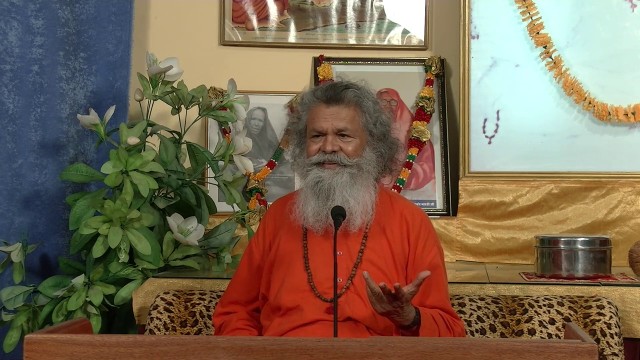
Evening satsang with Vishaguruji from Jadan Ashram, Rajasthan, India. There are many chemicals in our food and our water. It is the cause of many diseases. Yoga is for the whole world. Yoga is for the whole body. In many places in the world, people practise Bari Khatu Pranam. We should practise it regularly and systematically. We should also practise bhramari pranayam. The story about how was the teaching in the school when Vishwaguruji was a child. Indian people should use their mother tongue.
Clear nourishment is very important
14:05 - 15:00 (55 min)
A satsang on traditional nourishment, conscious eating, and spiritual living.
"In India, the village people still make all these things. In big cities, people have moved more towards European ways."
"According to what we do in this life, we go back to the space, to God, and it will come back for whom what you have done."
The lecturer addresses the gathering, discussing the benefits of traditional foods like jaggery, nuts, and specific preparations for prenatal health. He emphasizes pure, organic nourishment and connects dietary choices to the laws of karma and reincarnation, sharing anecdotes from Fiji. The talk includes a testimony on Manuka honey and concludes with practical steps for obtaining these traditional items.
Filming location: Fiji Islands
The forms of God
15:05 - 15:39 (34 min)
A spiritual discourse on the journey of the soul and the nature of divinity.
"Bhagavān does not remain confined to any one place. Bhagavān Rāma also departed; He too left. But the name is of Bhagavān, is it not?"
"The ātman does not say, 'I am Hindu,' or 'I am Muslim,' or 'I am this,' or 'I am that.' The ātman is one and the same."
The speaker delivers a wide-ranging monologue, contemplating the evolution of human consciousness, the appearance of divine figures like Rama and Krishna, and the eternal nature of the soul. Key themes include the critique of meat-eating and alcohol, the oneness of the self (ātman) beyond religious labels, and a call to return to the principles of Sanātana Dharma. The talk uses metaphors of water cycles and seeds to illustrate spiritual concepts and concludes with a devotional prayer.
Filming location: Jadan, Rajasthan, India
Clear nourishment is very important
15:45 - 16:40 (55 min)
A satsang on traditional nourishment, conscious eating, and spiritual living.
"In India, the village people still make all these things. In big cities, people have moved more towards European ways."
"According to what we do in this life, we go back to the space, to God, and it will come back for whom what you have done."
The lecturer addresses the gathering, discussing the benefits of traditional foods like jaggery, nuts, and specific preparations for prenatal health. He emphasizes pure, organic nourishment and connects dietary choices to the laws of karma and reincarnation, sharing anecdotes from Fiji. The talk includes a testimony on Manuka honey and concludes with practical steps for obtaining these traditional items.
Filming location: Fiji Islands
Every creature have its karma
16:45 - 17:38 (53 min)
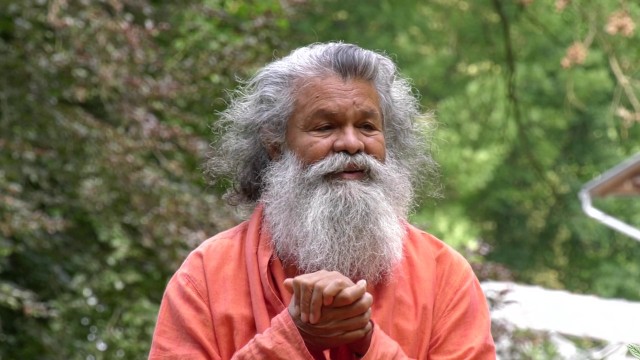
A spiritual discourse on karma, interconnectedness, and human nature.
"Karma is not only for humans; it is for all creatures, any animal."
"So always, our people, our friends, we do not know who is thinking today, now."
The lecturer addresses a gathering, exploring the universal law of karma that binds all life—humans, animals, and even trees. He shares parables, including a story of an ancient tree foretold to die by a yogi, to illustrate how actions interconnect. The talk weaves through themes of compassion, environmental destruction, and personal responsibility, concluding with a call to do good for all.
Filming location: Strilky, Czech Republic
Practicing Bari Khatu Pranam
17:45 - 18:36 (51 min)
Morning satsang with Vishwaguruji from Strilky Ashram, Czech Republic. After a physical activity like soccer, running or walking we have to practice yoga exercises. But not yoga sitting because the body is too hard for that. Explanation and demonstration of how to practice Bhari Khatu correctly.
Yoga unites people
18:40 - 19:24 (44 min)
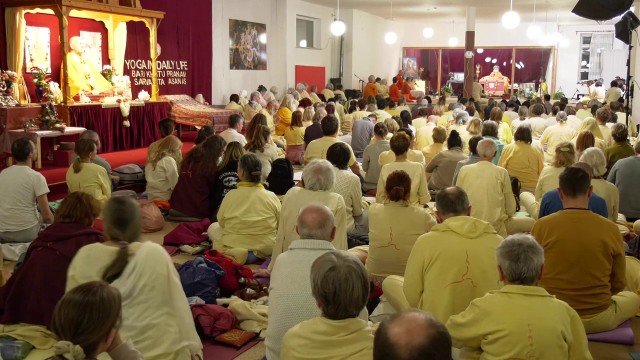
A satsang discourse on the universal essence of religious practice and human unity.
"I see everybody. I see everyone. And with that, it has come by so many things to have good things for me."
"In our heart, what is in our heart? Heart. Now everyone knows that it is that heart."
A spiritual teacher observes and compares morning rituals across Christianity, Islam, and Hinduism, noting the common structure of prayer, contribution, and community. He expresses concern over the perceived decline in traditional practice, using anecdotes from travels in Europe, and argues for a fundamental unity beyond religious labels, illustrated by the impartial care in a hospital. The talk concludes with an emphasis on shared humanity and the importance of personal spiritual practice.
Filming location: Strilky, Czech Republic
Sanskrit Hindi and yoga
19:30 - 20:18 (48 min)
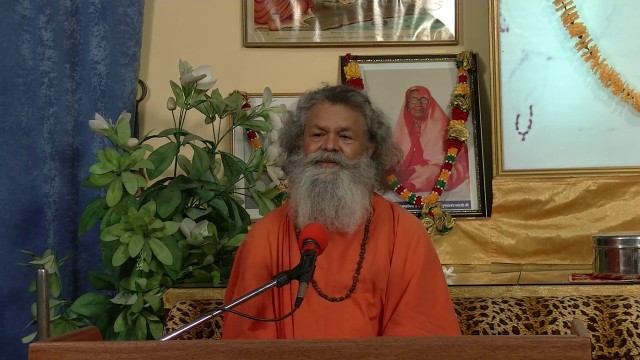
Evening Satsang with Vishwaguruji from Jadan Ashram, Rajasthan, India. All yoga systems have the same root. Sanskrit is the best language but not easy to learn. Slowly Indians lost their language. Many westerners would like to learn Hindi or the Sanskrit language. The story about how Vishwaguruji began to teach Hindi in Czechoslovakia. There will be three classes in the college Hindi, Sanskrit and Yoga. If we understand the language we can understand Yoga also. Explanation of Holyguruji's bhajan Sri Puja Deep Dayala Hari.
Keep the flame still
20:25 - 21:03 (38 min)
A spiritual discourse on maintaining the sacred flame of life within daily householder and community practice.
"You are already a yogī. You possess that science, yet you seek yogic attainment."
"This flame is what we call our ātmā, our spirit, which then departs. So when this is happening, we must learn from it."
The lecturer addresses a gathering, weaving together themes from the Yoga in Daily Life system. He emphasizes the dignity of the householder path, advocating for marriage and family life as spiritually vital. Using the extended metaphor of an oil lamp, he explains the body, life force, and spirit, urging the daily practice of lighting a lamp and maintaining temple pūjā in āśramas to nurture collective spirituality and personal health. He shares personal anecdotes and practical instructions, concluding with blessings and travel plans.
Filming location: Slovenia
Guru is eternal
21:10 - 21:52 (42 min)
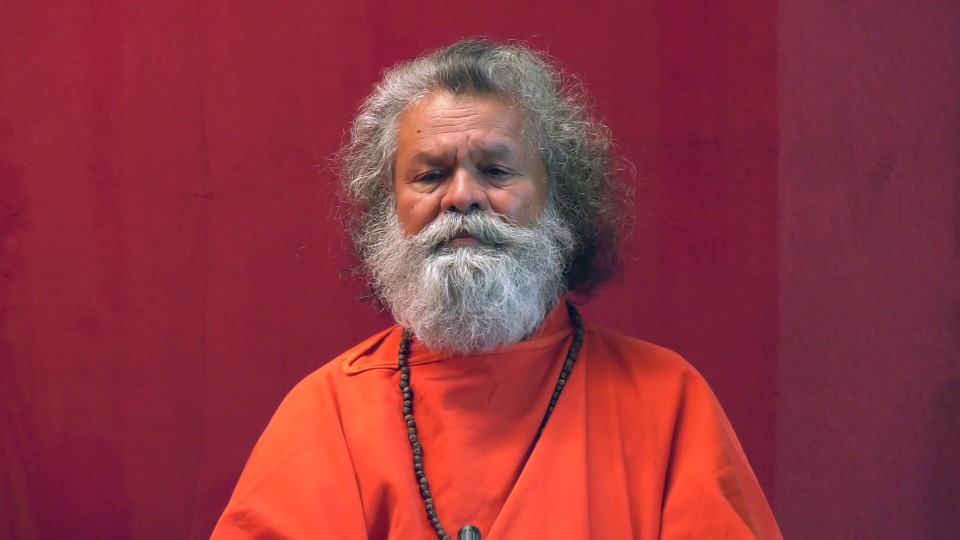
A spiritual discourse on the eternal Guru principle, divine cycles, and spiritual lineage.
"Brahmā, Viṣṇu, and Śiva will change, but the Guru will remain."
"One should not sit on that chair... I am taking care of this Gāḍī (seat)."
The lecturer delivers an evening talk, exploring the timeless nature of the Guru compared to the cyclical roles of the Hindu trinity. He discusses the concept of the Guru's seat (Gāḍī) in a lineage, emphasizing humility and service, and shares personal reflections on his teachers, including Gurujī and Shanti. The talk weaves together cosmology, caste as spiritual heritage, and the importance of spiritual practice.
Filming location: Vienna, Austria
Around the world - Mataji's experiences with Holy Guruji and Swamiji
22:00 - 22:48 (48 min)
Mataji sharing her stories of her Guru Holy Guruji and Swamiji, Wellington, New Zealand
We should have roots
22:55 - 23:54 (59 min)
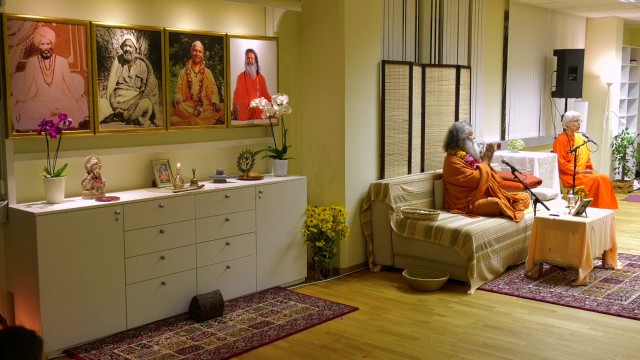
A spiritual discourse on yoga teaching, tradition, and the importance of roots.
"We must always create slightly different techniques for everyone. And all of you should become good teachers, our yoga teachers."
"Where are the roots of your village, your city, and your parents?... So where is the root for you?"
An elder teacher addresses a gathering, emphasizing the need for personalized yoga instruction and for students to become qualified teachers themselves. He critiques superficial academic approaches to yoga while paradoxically advocating for establishing yoga in universities. Using metaphors of children, families, and falling leaves, he stresses the importance of spiritual lineage (parampara) and staying connected to one's roots, ultimately pointing toward the soul's journey and liberation.
Filming location: Slovenia
Try to open the lock
23:55 - 0:14 (19 min)
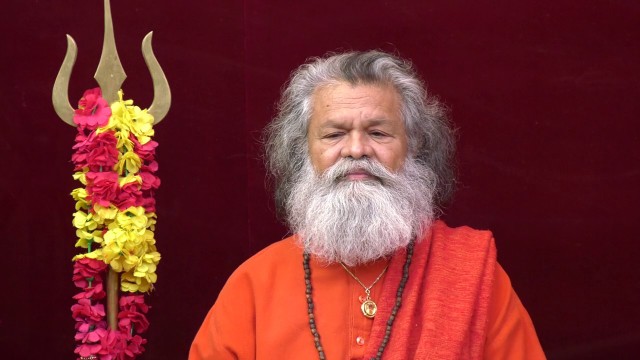
Evening satsang with Vishwaguruji from Strilky Ashram, Czech Republic. We are living in the ocean on and under the earth and in the air. In the beginning, all creatures were happy but slowly troubles came. As humans, we should become like a God. God had given everything for human but human told that we don't need God. So God took a number lock to the world and they try to open it. Some people gave it up but some try and try to open again. What we can open is in the name. If we have a key we can open it. And this key is a mantra.
American
Australian