
European
Outer and inner meditation
0:00 - 0:53 (53 min)
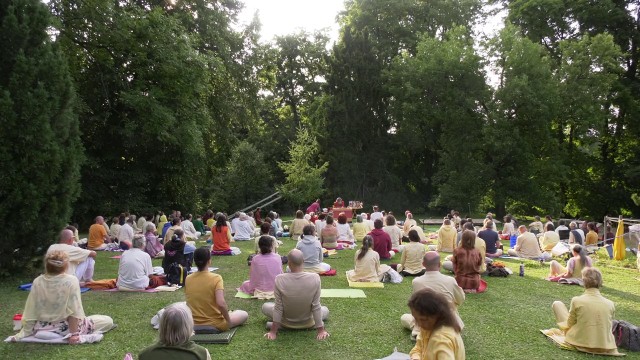
A spiritual discourse on meditation, inner science, and the living tradition of the guru.
"Meditation is within. But how? And who is really the best?"
"Therefore, this science is also very good, and that is also good... So it is better that we should be neutral."
Swami Ji addresses a gathering, contrasting external observation with true inner meditation. He shares a story of an old yogī with a profound indifference to the physical body to illustrate a deeper science. He discusses the upcoming Kriyā Initiation, outlining its prerequisites and daily practice, and expands on the nature of a living spiritual lineage, where every individual is part of a continuous flow of knowledge from generation to generation.
Filming location: Strilky, Czech Republic
Only wisdom can digest ego
0:15 - 1:13 (58 min)
Lecture from Vep, Hungary
Instructions for mantra practicing
1:20 - 2:17 (57 min)
A spiritual seminar on the guru-disciple relationship and spiritual practice.
"Guru Kṛpā Hi Kevalam—the Gurudeva's blessings. And śiṣya kī ānanda maṅgalam. The disciples have happiness, joy."
"When we get mantra, guru mantra, then you should have that cloth. We are also going through the mantra. Then it means you have already taken your seat."
A spiritual teacher addresses a gathering, expounding on the principle that the guru's grace is everything and the disciple's state is one of auspicious joy. He discusses the nature of a true guru, the importance of the guru lineage (paramparā), and the correct use of a personal meditation seat (āsana). He shares a story about two disciples to illustrate the importance of following a guru's instructions without mental attachment, and concludes with practical advice for daily practice.
Filming location: Strilky, Czech Republic
Mind and desires
2:25 - 3:17 (52 min)
A spiritual discourse on the nature of the mind, mantra, and liberation from desire.
"Man marā, nāmamātrī marī, mar mar gayā śarīr, aisā tṛṣṇā nahīṅ gaī, ghe gayā Dasā Kabīr."
"Āśā means hope, and tṛṣṇā means thirst. And this will not give you this mind."
A speaker explores the classical definition of mantra as the restless mind ("man") and the trap of desire ("mamatā"), using poetry from Kabīr, parables about a camel and a thirsty deer, and personal anecdotes to illustrate how hope and thirst bind the individual. The talk examines the sequence from body and prāṇa to mind, knowledge, and ānanda, concluding that true mantra practice involves seeing through illusions to attain freedom.
Filming location: Strilky, Czech Republic
Power of our words
3:25 - 4:16 (51 min)
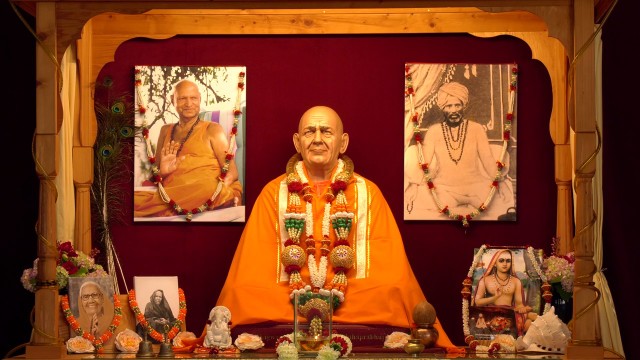
Morning satsang with Vishwaguruji from Strilky Ashram, Czech Republic. n the Ashram the atmosphere is divine. We are happy and believe that coronavirus will go. People can visit countries according to the rules that government says. We can also learn something from remaining home when this rule is applying. Holy scriptures like Bhagavad Gita keeps the strength of the words of Saint's. Shabda means not only our words but sounds of all living beings and nature. Good and bad words can change the atmosphere. We have an ocean of words. Mantra practicing and bhajan singing.
Who am I?
4:20 - 5:08 (48 min)
A spiritual discourse on the breath of life, the limits of the body, and destiny.
"Our breath is day and night equally, and it is written how many breaths we will have; then it is finished."
"Even God cannot prolong. That’s it."
The lecturer leads a satsang, exploring the relationship between breath, life, and a predetermined lifespan. He explains that while practices like yoga and prāṇāyāma can make life more comfortable, the ultimate duration is preordained. He illustrates this with an ancient story about a ṛṣi who repeatedly postpones his death to study the Vedas, only to be shown the futility of his endeavor by Dharmarāja. The talk weaves in reflections on the five elements, anecdotes about Czech yogis, and the spiritual nature of the region.
Filming location: Strilky, Czech Republic
Every drop will merge with the ocean
5:15 - 6:02 (47 min)
A spiritual discourse weaving ancient parables with personal reminiscences and teachings on humility and unity.
"God Rāma was sitting and watching everyone work... They said to him, 'Bhagavān Rām, you should not place stones below. If you do, then everybody will go deep into the water. Please, Rāma, you sit down, otherwise we all will sink.'"
"Holi Gurujī said: 'So world in all and all in one.'"
The speaker narrates the story of Lord Rama and the squirrel from the Ramayana to illustrate divine humility and the value of every devotee's effort. He seamlessly transitions to personal memories of his guru, Holī Gurujī, at the ashram, emphasizing the lasting spiritual power of holy places and saints. The talk expands into universal themes, referencing Jesus and the Mahabharata, to counsel against religious possessiveness and to advocate for a humble, kind, and unified approach to spiritual life, seeing the divine in all.
Filming location: Strilky, Czech Republic
Vegetarian food is good for prevention against covid
6:10 - 6:56 (46 min)
An evening satsang with announcements and a discussion on vegetarianism supported by medical research.
"Tomorrow will be nearly the fourth day. So, I was thinking of giving you half a day for free."
"Anyone of you or somebody else who would like to control it, so please just go on the internet and type 'British Medical Journal'... 'Plant-Based Diet, Pescetarian Diet and COVID-19 Severity'."
Swami Ji addresses the retreat participants, announcing a half-day break for a forest walk and reflecting on the day's practice. He then introduces a guest, Dr. Nemrud Bujakaya, who presents a major study linking plant-based diets to reduced COVID-19 severity. Dr. Vera and another doctor contribute further details and context, leading Swami Ji to conclude with a strong affirmation of vegetarianism as integral to yoga practice.
Filming location: Strilky, Czech Republic
The value of Satsang
7:00 - 7:45 (45 min)
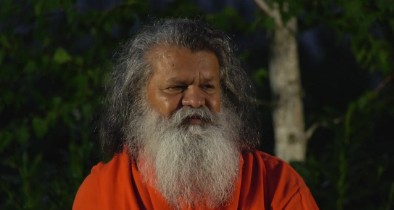
A spiritual discourse exploring the mantra "Hari Om" and sharing Puranic stories.
"Hari is the name of Bhagavān Viṣṇu. And Om, Om is Hari."
"72,000 years of sādhanā and one minute of satsaṅg... For one minute of satsaṅg, the whole earth raised up, and when it was 72,000 sādhanās, that was not moving."
The lecturer explains the divine essence of the "Hari Om" mantra, linking it to Vishnu and the primal sound of creation. He narrates the Puranic story of the earth's origin and the serpent Sheshanaga who supports it. The central teaching is conveyed through a parable where the sage Vishvamitra learns that one minute of true satsang (spiritual gathering) outweighs 72,000 years of solitary penance, highlighting the supreme power of devotion and community. The talk concludes with ethical exhortations for spiritual practice.
Filming location: Strilky, Czech Republic
There is nothing higher than the Guru
7:50 - 8:33 (43 min)
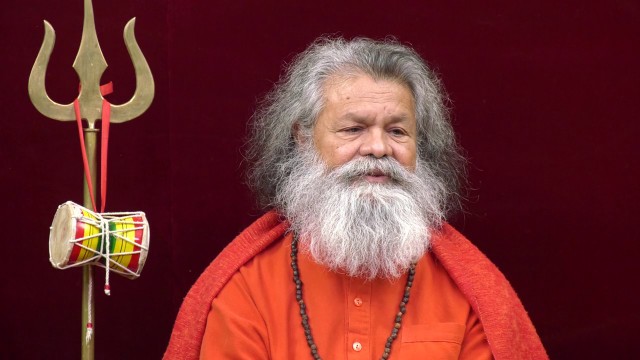
An evening satsang discourse on the supreme importance of the Guru principle.
"Who is greater than Bhagavān Rāma and Kṛṣṇa? They too must have a guru."
"Guru Brahma, Guru Viṣṇu, Guru Devo Maheśvarāha, Guru Sākṣāt Parabrahma... Thus, there is nothing higher than the Guru."
The lecturer addresses a diverse spiritual gathering, expounding on the Guru's primacy over even divine incarnations like Rama and Krishna. He explains that the Guru is the formless, eternal principle and source of all knowledge, using examples from scripture, daily life, and a traditional prayer to illustrate that all progress requires a guide. The talk concludes with a preview of the next day's topic on the Guru's transformative grace.
Filming location: Strilky, Czech Republic
Follow the path faithfully
8:40 - 9:17 (37 min)
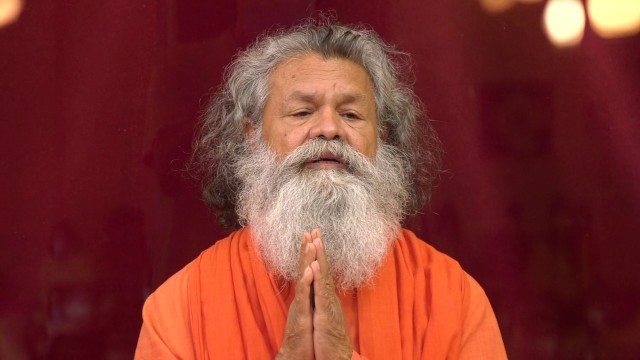
Evening satsang with Vishwaguruji from Strilky Ashram, Czech Republic. During last year people could practise yoga individually. Meditation without mala and mantra is not good. We should follow our path. There are many paths but all comes together. Every creature have a path and they know that God has given them everything. Our yoga path is very clear. God gave everything to humans but we lost it. God is sitting in us. We should become one with God. We are human but we completely confused and don't know clearly our path. Mantra is very important which is always with us and show our path
Rules and regulations are important
9:25 - 10:16 (51 min)
Morning Satsang with Vishwaguruji, Strilky Ashram, Czech Republic. When you are angry, greedy and jealous it touches the Manipur chakra, and heat rises up. The words of the master help us to overcome some psychological conditions. It is very important to keep the four principles: proper behaviour, a good way of thinking, proper diet, and good actions.
You will be according to what you eat
10:20 - 10:56 (36 min)
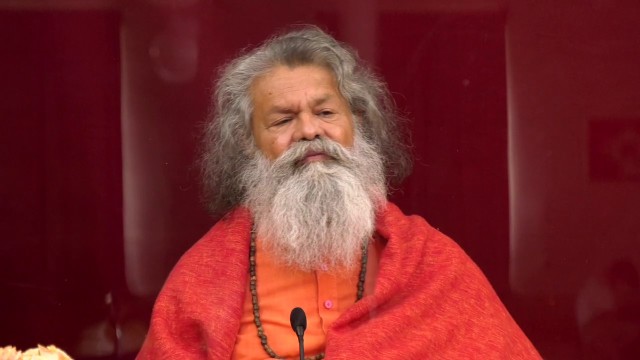
A spiritual discourse on nourishment, habits, and holistic well-being.
"If you want to enjoy the taste, then take less into the mouth and chew it well, so the tongue and the whole mouth experience the taste."
"That is why many yogīs, many, many, they said: eat less, drink only as needed, and meditate more."
The speaker addresses an audience after a spiritual retreat, using the example of eating halušky (dumplings) to discuss the principles of mindful eating, digestion, and respect for food preparers. He expands the topic to contrast ordinary food with 'ān' (divine seed or essence), discusses forming harmonious habits, and cautions against the misuse of substances like alcohol. The talk concludes with well-wishes for the journey home and an invitation for future gatherings.
Filming location: Strilky, Czech Republic
Practicing of the system 'Yoga in Daily Life', Level 2 - Part 2
11:00 - 12:11 (71 min)
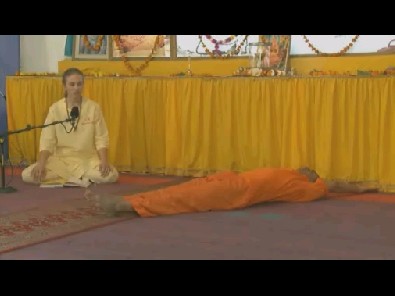
A guided yoga practice session for Level Two of the "Yoga in Daily Life" system.
"This light has been transferred through the centuries from one master to another without any interruption."
"Āsana means, except for other meanings, also comfortable. So āsana should be a comfortable position."
An instructor leads a comprehensive yoga class at Parananda Ashram, systematically guiding practitioners through the second level of the "Yoga in Daily Life" system. The session begins with relaxation and breath awareness (full yoga breath), followed by a series of āsanas including Meru Pṛṣṭhāsana, Catuṣpada Āsana, Cakrāsana, Dvikoṇāsana, Bhūta Āsana, Setu Āsana, Hastapādāṅguṣṭhāsana, Sumeru Āsana, and Meruvakrāsana. Each posture is explained with detailed alignment cues and its physical and energetic benefits. The practice concludes with deep relaxation, a prāṇāyāma (alternate nostril breathing) exercise, and a closing meditation with Oṁ and Śānti chants.
Filming location: Jadan, Rajasthan, India
Soul is One
12:15 - 13:27 (72 min)
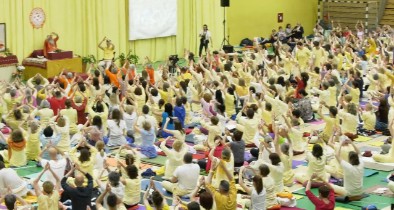
Evening satsang with Vishwaguruji from weekend Yoga Seminar in Novo Mesto, Slovenia. We are all like paras. We can create good qualities in others. When paras touch the iron it becomes gold. Guru is more than paras, Guru can transform the disciple into Guru. If not, either Gurudev is not right, either there is a distance between the Master and disciple. The physical body is called annamaya kosa, while the energy body is called pranamaya kosa. Water is water in each of the forms. Similarly, Soul is one.
Follow the path faithfully
13:35 - 14:12 (37 min)
Evening satsang with Vishwaguruji from Strilky Ashram, Czech Republic. During last year people could practise yoga individually. Meditation without mala and mantra is not good. We should follow our path. There are many paths but all comes together. Every creature have a path and they know that God has given them everything. Our yoga path is very clear. God gave everything to humans but we lost it. God is sitting in us. We should become one with God. We are human but we completely confused and don't know clearly our path. Mantra is very important which is always with us and show our path
Flowing of prana and consciousness
14:20 - 15:26 (66 min)
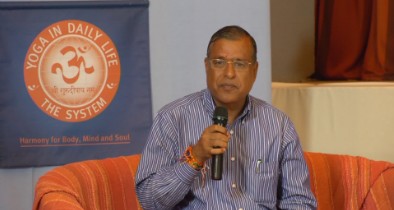
An evening satsang on spiritual anatomy and parenting.
"It is said that the body should not be damaged for the perfection of Siddhas. All the 72,000 nerves should be very clear and clean, where the prāṇa can flow freely."
"Parents have a very, very important role in how the child grows up. That is the time when we feed information into that system."
The lecturer begins by discussing the importance of an unblemished body (akhaṇḍa) for the free flow of prāṇa, explaining the network of nāḍīs and chakras. He shares a story about a king and a wound to illustrate the principle. He then hands the floor to Guru Śaṅkarajī, who speaks on the role of parents, outlining how proper physical nourishment, positive sensory input, and the inculcation of virtues shape a child's development from infancy.
Filming location: Vép, Hungary
A guide to practicing mantra
15:30 - 16:15 (45 min)
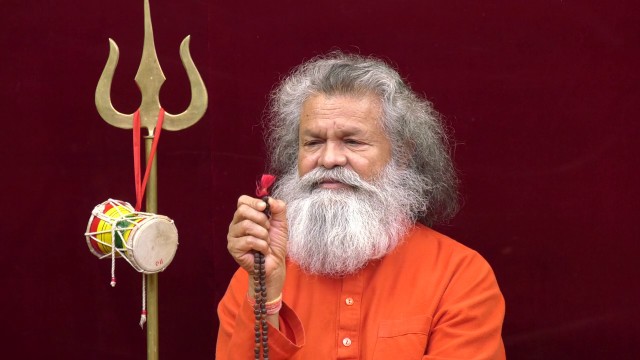
A spiritual discourse on the practice of using a prayer mala and the significance of the tulsi plant.
"Many people use the mala only for mantra and then go deep into meditation, but that is not the complete path. If you use your mala until you are tired, fall asleep, and drop it, then wake and take it again—the mala itself is the path."
"The Sumeru bead should have no blockage, allowing constant movement. You can do the mala five, ten, two, or a hundred times for meditation and mantra, and can practice constantly. This is called sumarana, meaning constant practice, like our breath going in and out."
The lecturer addresses practitioners, explaining the mala as a spiritual tool and passport. He details the correct technique for holding and moving the beads, the symbolism of the 108 count and the Sumeru bead, and the practice of purifying the five koshas through mantra repetition. He also expounds on the sacred nature of the tulsi plant, its varieties, and its uses in Ayurveda and devotion.
Filming location: Strilky, Czech Republic
Yoga exercise with Vishwaguruji
16:00 - 16:28 (28 min)
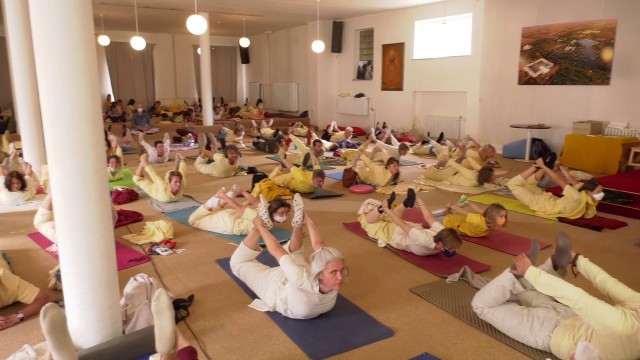
Morning satsang with Vishwaguruji from Strilky Ashram, Czech Republic.
Navel is the centre of our body
16:20 - 17:04 (44 min)
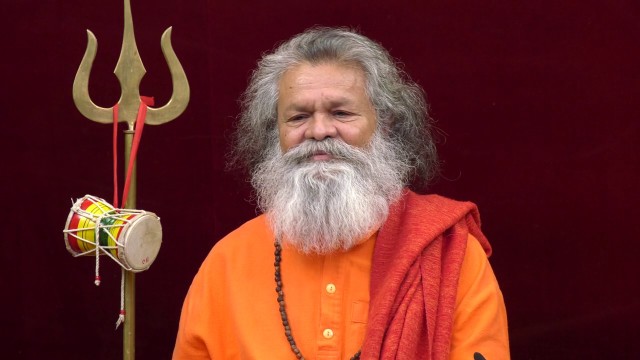
A spiritual discourse on the human body as a divine temple and the path of inner sound (nāda).
"Our body is our temple. How we take care of it, how we feel, and how we live in it—that is our body."
"Nāda, the sound. Nāda, the form of Parabrahma. That is Parabrahma. That is the sound, Parabrahma, Puruṣottam Bhagavān. That we come to."
Swami Sukh Sagar leads a satsang, elaborating on the concept of the body as God's temple and the central role of the navel as the source of the primal sound (nāda). He explains the journey of consciousness through the chakras, emphasizing the practice of focusing on the navel to awaken the body's resonance. The talk includes a guided moment for listeners to place a hand on the navel and concludes with prayers and chants to the Guru lineage.
Filming location: Strilky, Czech Republic
Who am I?
17:05 - 17:53 (48 min)
A spiritual discourse on the breath of life, the limits of the body, and destiny.
"Our breath is day and night equally, and it is written how many breaths we will have; then it is finished."
"Even God cannot prolong. That’s it."
The lecturer leads a satsang, exploring the relationship between breath, life, and a predetermined lifespan. He explains that while practices like yoga and prāṇāyāma can make life more comfortable, the ultimate duration is preordained. He illustrates this with an ancient story about a ṛṣi who repeatedly postpones his death to study the Vedas, only to be shown the futility of his endeavor by Dharmarāja. The talk weaves in reflections on the five elements, anecdotes about Czech yogis, and the spiritual nature of the region.
Filming location: Strilky, Czech Republic
The five elements in the world and in our body
18:00 - 18:54 (54 min)
A spiritual discourse exploring yoga, the elements, and devotion through teachings and a parable.
"How to understand God? Of course, we said all the Brahman, but what is that?"
"Yoga means uniting, union... which unites the consciousness and space."
The speaker delivers a wide-ranging talk, beginning with the chanting of Nārāyaṇa. He discusses the nature of Brahman, the human body, and the five living elements (space, air, fire, water, earth) as manifestations of the divine. He defines yoga as the union of consciousness and space, preceding even Śiva. The talk covers the significance of Agni (fire) in various forms, the Vedic science behind marriage rituals and astrology, and concludes with a story about Viṣṇu and Lakṣmī testing a devotee's true loyalty, illustrating the allure of prosperity (Lakṣmī) over pure devotion.
Filming location: Fiji Islands
Mind and desires
19:00 - 19:52 (52 min)
A spiritual discourse on the nature of the mind, mantra, and liberation from desire.
"Man marā, nāmamātrī marī, mar mar gayā śarīr, aisā tṛṣṇā nahīṅ gaī, ghe gayā Dasā Kabīr."
"Āśā means hope, and tṛṣṇā means thirst. And this will not give you this mind."
A speaker explores the classical definition of mantra as the restless mind ("man") and the trap of desire ("mamatā"), using poetry from Kabīr, parables about a camel and a thirsty deer, and personal anecdotes to illustrate how hope and thirst bind the individual. The talk examines the sequence from body and prāṇa to mind, knowledge, and ānanda, concluding that true mantra practice involves seeing through illusions to attain freedom.
Filming location: Strilky, Czech Republic
Power of our words
20:00 - 20:51 (51 min)
Morning satsang with Vishwaguruji from Strilky Ashram, Czech Republic. n the Ashram the atmosphere is divine. We are happy and believe that coronavirus will go. People can visit countries according to the rules that government says. We can also learn something from remaining home when this rule is applying. Holy scriptures like Bhagavad Gita keeps the strength of the words of Saint's. Shabda means not only our words but sounds of all living beings and nature. Good and bad words can change the atmosphere. We have an ocean of words. Mantra practicing and bhajan singing.
Instructions for mantra practicing
20:55 - 21:52 (57 min)
A spiritual seminar on the guru-disciple relationship and spiritual practice.
"Guru Kṛpā Hi Kevalam—the Gurudeva's blessings. And śiṣya kī ānanda maṅgalam. The disciples have happiness, joy."
"When we get mantra, guru mantra, then you should have that cloth. We are also going through the mantra. Then it means you have already taken your seat."
A spiritual teacher addresses a gathering, expounding on the principle that the guru's grace is everything and the disciple's state is one of auspicious joy. He discusses the nature of a true guru, the importance of the guru lineage (paramparā), and the correct use of a personal meditation seat (āsana). He shares a story about two disciples to illustrate the importance of following a guru's instructions without mental attachment, and concludes with practical advice for daily practice.
Filming location: Strilky, Czech Republic
Around the world - Shivaratri at Jadan Ashram
22:00 - 22:07 (7 min)
Around The World - Vegetarianism and top sport, Part 1
22:15 - 22:39 (24 min)
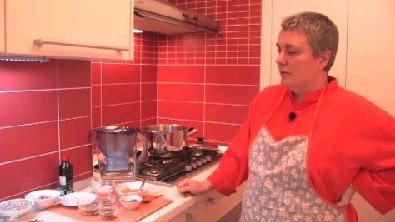
A practical cooking demonstration and discussion on vegetarian nutrition for athletes from a yogic perspective.
"In our yoga tradition, everyone is vegetarian for moral reasons. For us, ahiṃsā paramo dharma—non-injury is the highest duty."
"The foundation of healthy vegetarian cooking is quality ingredients... Higher quality food is better utilized by the body, yielding better results."
Swami Avatarpuri, in the kitchen of Sridev Purījī Ashrama, explains the principles of a vegetarian diet tailored for elite sports performance. He emphasizes digestibility, energy provision, and muscle support, highlighting key ingredients like whole grains, tofu, and legumes. The talk covers the medicinal use of spices like turmeric and cumin, addresses protein and vitamin sources, and concludes by framing vegetarianism as a complete and health-supporting lifestyle rooted in the principle of non-harm.
Filming location: Zagreb, Croatia
Every drop will merge with the ocean
22:45 - 23:32 (47 min)
A spiritual discourse weaving ancient parables with personal reminiscences and teachings on humility and unity.
"God Rāma was sitting and watching everyone work... They said to him, 'Bhagavān Rām, you should not place stones below. If you do, then everybody will go deep into the water. Please, Rāma, you sit down, otherwise we all will sink.'"
"Holi Gurujī said: 'So world in all and all in one.'"
The speaker narrates the story of Lord Rama and the squirrel from the Ramayana to illustrate divine humility and the value of every devotee's effort. He seamlessly transitions to personal memories of his guru, Holī Gurujī, at the ashram, emphasizing the lasting spiritual power of holy places and saints. The talk expands into universal themes, referencing Jesus and the Mahabharata, to counsel against religious possessiveness and to advocate for a humble, kind, and unified approach to spiritual life, seeing the divine in all.
Filming location: Strilky, Czech Republic
God is in the whole universe
23:35 - 0:12 (37 min)
A spiritual discourse offering solace and practical wisdom during the pandemic.
"One person is very hungry, and we have food for that person right in our hand."
"Don't worry about anything... your body inside is God."
The lecturer addresses the spiritual hunger exacerbated by lockdowns, using parables of starving people being shown pictures of food. He advocates for direct spiritual nourishment through mantra and devotion over lengthy intellectual discourse, sharing insights from India's response and emphasizing faith in God within. The talk concludes with prayers and mantras dedicated to Gurudev.
Filming location: Strilky, Czech Republic
American
Australian