
European
The Light of Life and the Path to Liberation
0:15 - 1:08 (53 min)
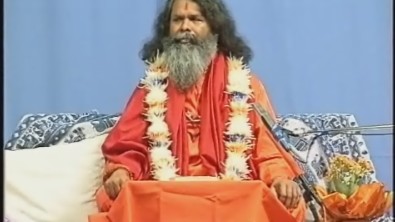
An evening satsang on the purpose of human life and the path to spiritual liberation.
"Everything in this world is possible easily, but it is rare to come to satsaṅg or spiritual activities."
"Spirituality is purity, clarity, pure consciousness, pure mind, pure thoughts, pure behaviors. Purity is very important."
The lecturer addresses an audience, welcoming them as fortunate souls in the Kali Yuga. He explores the unique value of human birth, urging self-inquiry and the cultivation of divine qualities like love and tolerance over mere intellectual knowledge. He discusses overcoming unhealthy dependencies, the nature of true love, and the ultimate goal of realizing the divine consciousness within, touching on concepts of karma, chakras, and non-duality.
Filming location: Umag, Croatia
Be patient and faithful
1:15 - 2:13 (58 min)
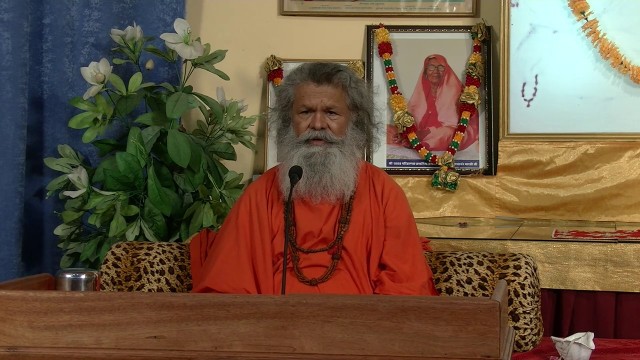
Evening satsang with Vishwaguruji from Jadan Ashram, Rajasthan, India. In this corona time we have more time to relax and to think who and how are we. During meditation, we should withdraw ourselves and try to be in oneness with our mala and mantra. We can sing also bhajans which are teachings. Great sadhus who wrote many bhajans they wrote their name to the bhajans to give their stamp on it. Stories about Holy Guruji and some man who asked questions for him. We can know, how is the distance from earth and haven what a new thing can write a bhakta about spirituality nowadays. Vishwaguruji explains the correct system of education for children. Children also need to have some rest between classes. Guru is like a pilot always aware. A story about Holiguruji and a disciple. Bhajan singing
What means sanyas diksha
2:20 - 3:49 (89 min)
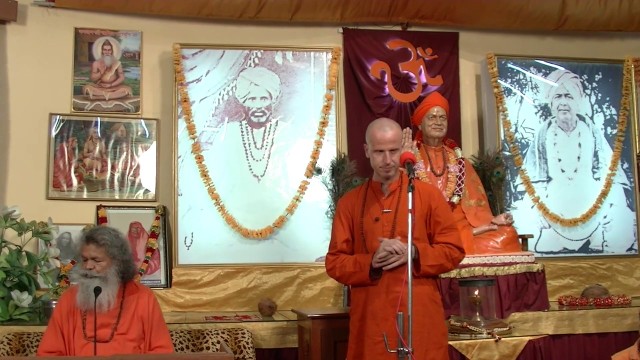
Evening satsang with VishwWaguruji from Jadan Ashram, Rajasthan, India. Singing bhajans, including Hanuman Chalisa. Chanting mantras. Introduction Swami Chandrapuri who became sanyasi. It is very important to achieve sannyas and seva in the life. It means purification and realization of the Self. You have to give up many things and live without attachments. Swami Chandrapuri tells how he met Vishwaguruji and explains the main steps towards sannyas diksha.
The Essence of Prāṇa, Guru, and Disciple
3:55 - 4:53 (58 min)
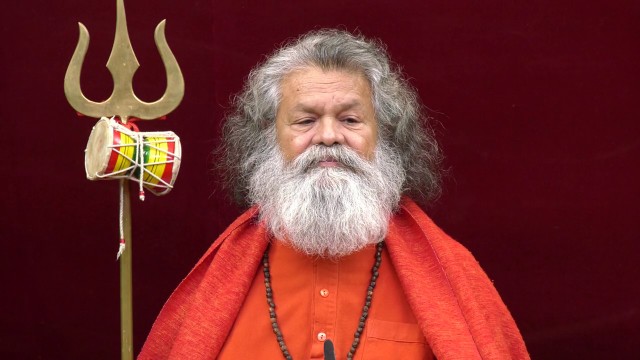
An evening satsang on prāṇa, consciousness, and the guru-disciple relationship.
"Everything is in our prāṇa. Prāṇa. And prāṇa, many times we think someone died. But still, there is prāṇa inside."
"Inside is giving love, and outside is giving you something to give the shape. And to give the shape of the disciples, a real shape is not easy."
Swami Maheshvarananda addresses a global audience, weaving teachings on the vital breath (prāṇa) and states of consciousness (waking, dreaming, deep sleep) with personal reminiscences of his gurus, Śrī Dīp Nārāyaṇa Mahāprabhujī and Swami Madhavanandji. He illustrates the essence of discipleship through stories of their divine interactions and announces observances for the coming days, including fasting and prayer for Mahāprabhujī.
Filming location: Strilky, Czech Republic
Prayer and Bhajans
5:00 - 5:51 (51 min)
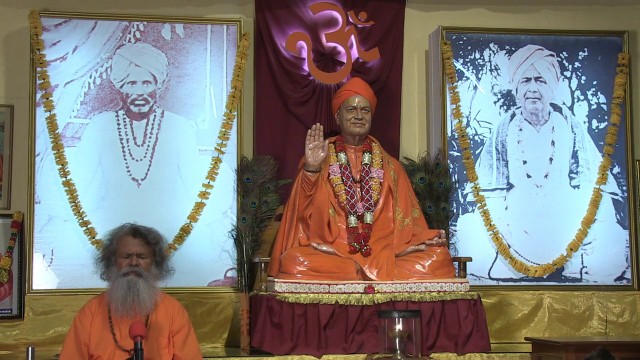
Evening satsang with Vishwaguruji from Jadan Ashram, Rajasthan, India. We all are connected with the Guru Parampara. We are praying for every entity, we are one. Singing bhajans.
Clean yourself to become a saint
5:55 - 6:50 (55 min)
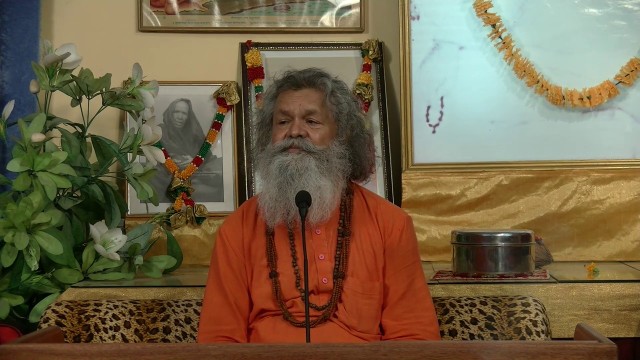
Evening satsang with Vishwaguruji from Jadan Ashram, Rajasthan, India. The story about Holigurujis first visit in Europe and how did he get the name Holi Guruji. That time was a communist time in Czechoslovakia and there was an iron curtain in the border. Everyone should be free in every aspect. Yogis should feel friendship and oneness for others. First, w should clean ourselves. Sanyas people also should clean everything. Serve all bhaktas. We need tyaga to become sanyas. The story about Vishwaguruji when he left Holiguruji as a Swami first time. The story about Swami Sivananda and a very learned man. The story bout Acalramji. Bhajan singing.
Don't ask anything from God
6:55 - 7:45 (50 min)
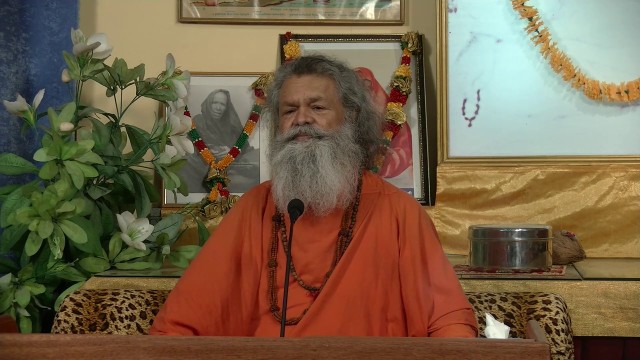
Evening Satsang with Vishwaguruji from Jadan Ashram, Rajasthan, India. There are much suffering and sadness in the world now. Some people don't understand this situation but yogis and brahmans practise their sadhana and chanting mantras and praying. Morning some negative things try to remove from our body and mind so we should begin our day by cleaning and praying. We shouldn't ask anything from God but he knows what we need. We need positive thinking to save our health. There is some impurities in our body. Laziness means that our energy is not clean. Bhajan singing.
Be patient and faithful
7:50 - 8:48 (58 min)
Evening satsang with Vishwaguruji from Jadan Ashram, Rajasthan, India. In this corona time we have more time to relax and to think who and how are we. During meditation, we should withdraw ourselves and try to be in oneness with our mala and mantra. We can sing also bhajans which are teachings. Great sadhus who wrote many bhajans they wrote their name to the bhajans to give their stamp on it. Stories about Holy Guruji and some man who asked questions for him. We can know, how is the distance from earth and haven what a new thing can write a bhakta about spirituality nowadays. Vishwaguruji explains the correct system of education for children. Children also need to have some rest between classes. Guru is like a pilot always aware. A story about Holiguruji and a disciple. Bhajan singing
Pilgrimage
8:55 - 9:42 (47 min)
Morning satsang from Vep, Hungary.
Sanyas Diksha of Swami Chandrapuriji
9:50 - 10:00 (10 min)
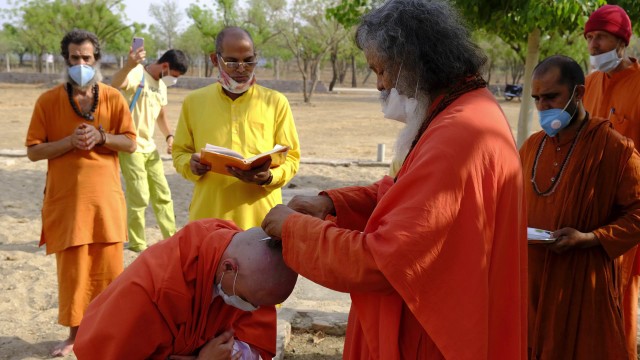
A devotional satsang featuring invocations, chants, and poetic verses.
"Śiva-śakti nahī̃ thā, liṅga nahī̃ thā, bhaga nahī̃ thā. Nakha cīr ke liṅga banāyā, kamar cīr ke bhaga banāyā."
"Kaun Guru Ne Kaata Kes, Kaun Purush Ne Diya Updes? Alakh Purush Ne Kaata Kes, Satguru Ne Diya Updes."
The session opens with a call for a spiritual journey and a collective resolve. It proceeds with a series of Sanskrit mantras and salutations to deities and gurus, including Guru Brahma and Śrī Durgā. A poetic verse describes a primordial creation myth, followed by a devotional dialogue between Ganesh and Mahesh (Shiva) inquiring about divine actions and teachings. The gathering concludes with triumphant praises to various manifestations of the divine and the eternal dharma.
Go to the Satsang
10:05 - 10:56 (51 min)
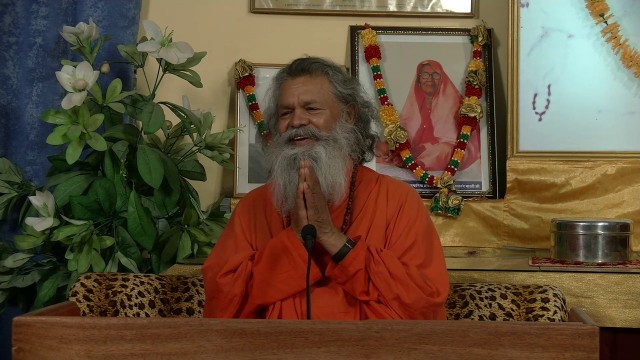
Evening satsang with Vishwaguruji from Jadan Ashram, Rajasthan, India. Sat means truth. Ku means negative. A person who all-time is very negative. In the hand, there is a knife, but they are saying sweet words. A story told by Holy Guruji about a disciple, who went to the festival. Our body looks like a human, but qualities are often not like that. Satsang will lead to the cosmic Self.
Morning Yoga practice, Umag, Croatia (7/9)
11:00 - 12:54 (114 min)
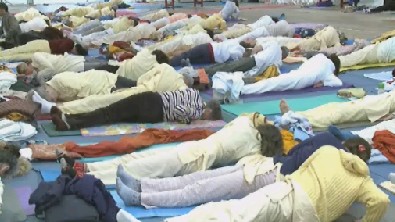
Morning Yoga practice from the international Yoga retreat Umag, Croatia on 1st of October
Oneness
13:00 - 13:32 (32 min)
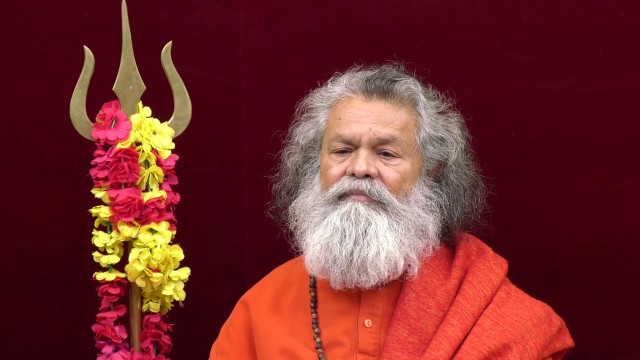
A year-end satsang on religious harmony, yoga traditions, and the necessity of the Guru.
"We should not believe that all other religions and their dates, their months and their observances, should be deleted."
"Without Gurudev, who can let us cross the ocean of that saṃsāra?"
The lecturer addresses the global Yoga in Daily Life community as the year closes. He emphasizes respecting all religions, cultures, and their calendars, warning against efforts to erase traditions. He explains the unity of yoga beneath different school names, using the analogy of a nation and its citizens. The core teaching is the indispensable role of the Satguru in guiding the soul beyond physical and mental practices toward liberation, ultimately paying homage to the lineage of Gurudev Swami Madhavanandaji.
Filming location: Strilky, Czech Republic
The Essence of Prāṇa, Guru, and Disciple
13:40 - 14:38 (58 min)
An evening satsang on prāṇa, consciousness, and the guru-disciple relationship.
"Everything is in our prāṇa. Prāṇa. And prāṇa, many times we think someone died. But still, there is prāṇa inside."
"Inside is giving love, and outside is giving you something to give the shape. And to give the shape of the disciples, a real shape is not easy."
Swami Maheshvarananda addresses a global audience, weaving teachings on the vital breath (prāṇa) and states of consciousness (waking, dreaming, deep sleep) with personal reminiscences of his gurus, Śrī Dīp Nārāyaṇa Mahāprabhujī and Swami Madhavanandji. He illustrates the essence of discipleship through stories of their divine interactions and announces observances for the coming days, including fasting and prayer for Mahāprabhujī.
Filming location: Strilky, Czech Republic
Who will liberate us?
14:45 - 15:19 (34 min)
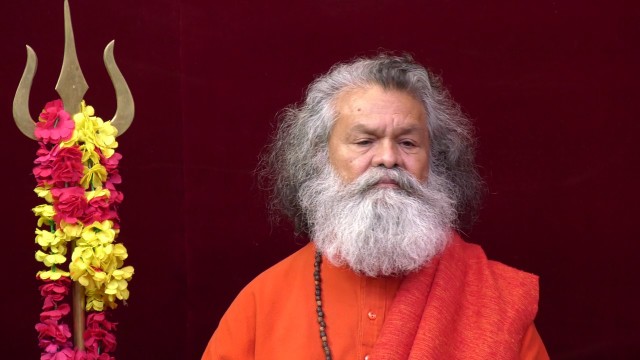
A spiritual discourse on the unity of all paths and the grace of the guru, delivered on Christmas.
"Names are different, places are different, languages are different, yet they are all. If you do not understand this and do not want equality, then know we have the same blood, same nerves, same bones; everything is the same."
"The guru is that who gives us knowledge... Guru Kṛupāhi Kevalaṁ Śiṣyaki Ānanda Maṅgalaṁ. When the Gurudeva is there, the disciple is happy, full of joy."
A spiritual teacher addresses a gathering, honoring Christmas and the universal teachings of all saints and religions. He emphasizes the non-dual unity behind all names and forms, discusses the essential roles of the divine mother (Śakti) and father (Śiva), and explains the irreplaceable role of the Satguru in liberating the individual from worldly attachment, illustrated through a metaphor of a spider trapped in its own web.
Filming location: Strilky, Czech Republic
The real disciple
15:25 - 16:04 (39 min)
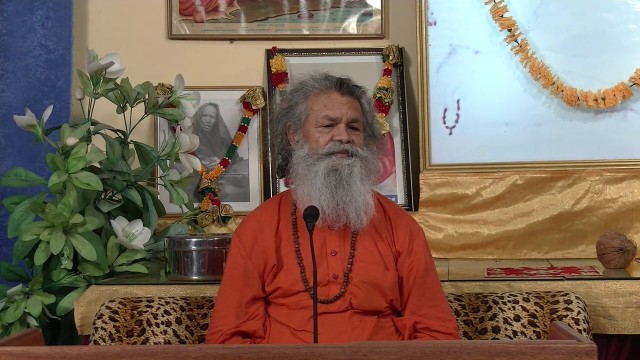
A satsang discourse on the greatness of Adi Shankaracharya and a story of discipleship.
"All of Sanātana Dharma is, in essence, Śaṅkarācārya. He is the one who brought people back to Satya Sanātana when they were lost."
"Gurujī knew that he was some great soul, already like a god, but he wanted to test him."
The speaker honors Adi Shankaracharya's birth anniversary, recounting his early life and his pivotal role in reviving Sanatana Dharma. He then narrates the tale of the young disciple Upamanyu, who endures severe tests of obedience and austerity from his guru, the Rishi Lomasha, culminating in a divine vision and restoration. The discourse contrasts this ideal of steadfast discipleship with the challenges of the modern age.
Filming location: Jadan, Rajasthan, India
We should help
16:10 - 16:55 (45 min)
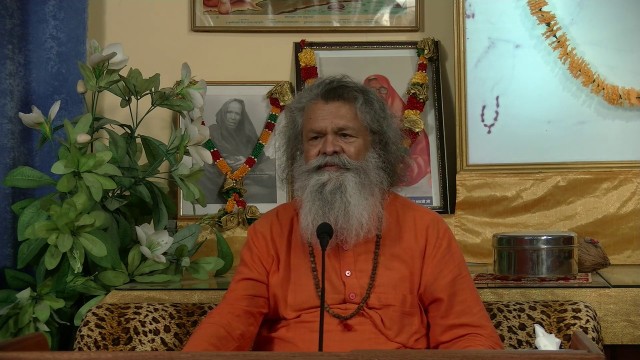
Evening satsang with Vishwaguruji from Jadan Ashram, Rajasthan, India. We, humans, learned a lot but we are not immortal. Rakshasas have so much power and they would like to be immortal. Atma is immortal and can reside in the Brahmaloka, but the physical body will dissolve again. We are meditating in our minds. Some doing puja and worshipping God because of fear, or because of some interest. With prayer, we can balance human powers. Ashram means: come and be here. It is for all, we should help, help, and help. Let's come to the supreme consciousness within.
Dharma and adharma
17:00 - 17:35 (35 min)
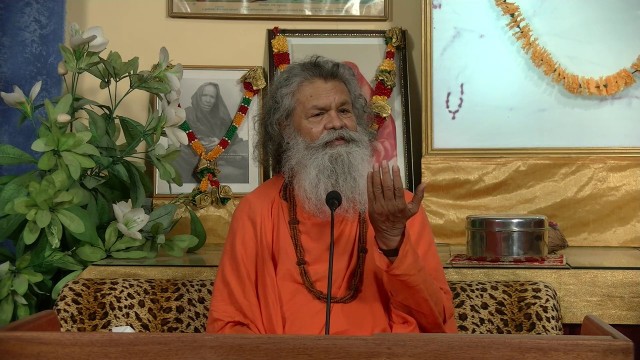
Evening satsang with Viswhaguruji from Jadan Ashram, Rajasthan, India. Our prayers have strength only if we follow ahimsa. Also don't say painful words to anyone. Don't use water unnecessarily because it is our life. Air is also life. Tulsi is not only a saint plant but it is God himself. Don't think negative of others. Bhajan singing.
Follow your Gurudev
17:40 - 18:09 (29 min)
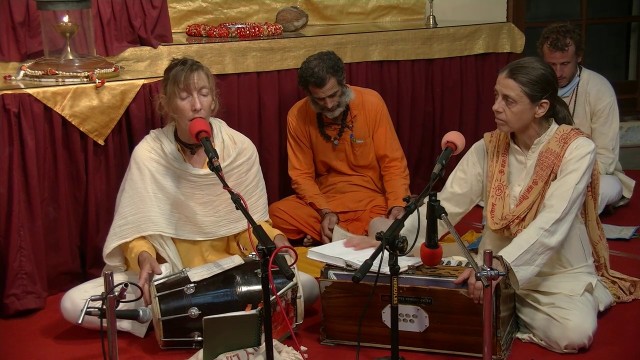
A spiritual discourse on devotion to the Guru and the sanctity of the ashram.
"When the lamp is here, we do not look at the lamp. We see everything else... But someone who sees that lamp—what is that lamp? That lamp is our beloved. And what is our beloved? Our Gurudev."
"Under this umbrella or in this meditation hall, one should not talk about anything negative... Only speak of spiritual matters. If you are trying to go here and there... then you have lost your whole life."
A speaker reflects on the profound presence of Holy Gurujī, recalling time spent with him in Gujarat and the early days of the ashram. He emphasizes unwavering devotion to one's own Guru as the singular path, warning against spiritual distraction. The talk concludes with the singing of devotional bhajans.
Filming location: Jadan, Rajasthan, India
Always be positive
18:15 - 18:58 (43 min)
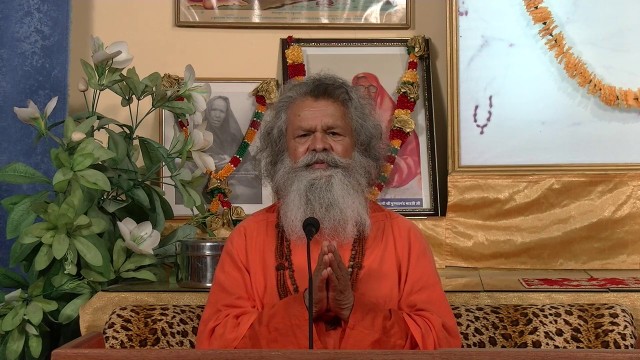
Evening satsang with Vishwaguruji from Jadan Ashram, Rajasthan, India. We should send our love to all creatures. We should respect each other and the religious belief of others. Do something which is protection for others and animals also. We should give something to others and don't be greedy. Bhajan singing.
Bhajan singing from Jadan Ashram
19:05 - 19:40 (35 min)
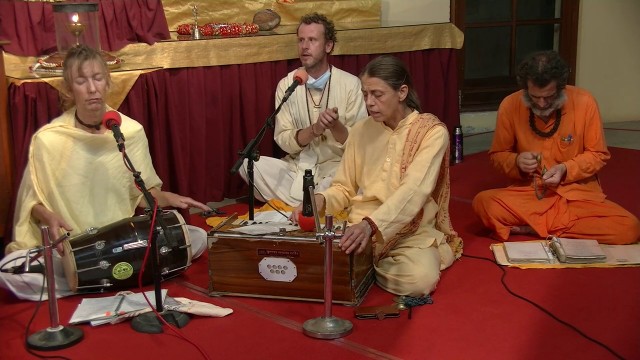
Evening Satsang with Vishwaguruji from Jadan Ashram, Rajasthan, India. Singing bhajans.
The nature of the Guru
19:45 - 20:25 (40 min)
A spiritual discourse on the oneness of the soul and the path to supreme consciousness.
"Our ātmā, your ātmā, every ātmā is one ātmā."
"Step by step, our ātmā, our soul, will merge into the eternal. This is Gurudev's Vākya."
He describes the spiritual journey through the five layers of the body (kośas) toward higher states like Mahātmā and Paramātmā, emphasizing that this one soul exists in every being and element. The talk includes practical advice on meditation (dhun), avoiding negative speech, and humorous observations on language misunderstandings.
Filming location: Prague, Czech Republic
Shiva will bless All
20:30 - 20:53 (23 min)
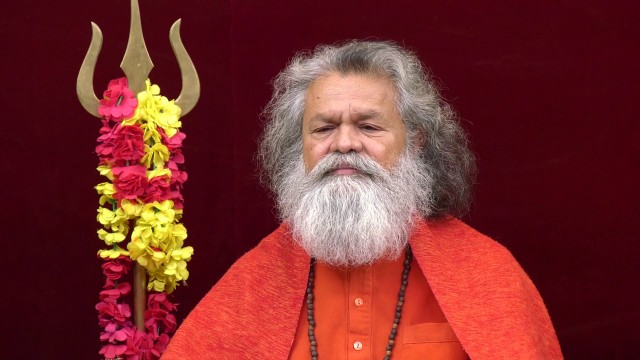
A spiritual discourse on the importance of devotion to Śiva in the current age.
"In this time of the Kali Yuga, we all have to become one."
"Therefore, our holy Gurujī said, 'One in all and all in one.'"
Following opening prayers, the speaker addresses a global audience, warning of the coming hardships of the Kali Yuga and proclaiming that Śiva's unifying grace is the solution. He explains that Śiva accepts all people, unlike other deities, and urges constant remembrance through chanting. The talk includes a recitation and explanation of a Hindi bhajan about the preciousness and fleeting nature of human life.
Filming location: Strilky, Czech Republic
Atma is the same in every being
21:00 - 21:38 (38 min)
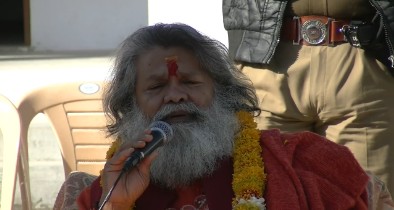
Program from Village near Nipal, Rajasthan, India.
Use it, or you will lose it
21:05 - 21:51 (46 min)

An evening satsang discourse on spiritual realization and the nature of existence.
"What we need more is that we have to come to that step which is the highest, meaning to the cosmic."
"Without Guru, we cannot know Brahmā, Viṣṇu, Maheś... Without Guru, we cannot do dhyāna. Without Guru, we cannot do pūjā."
The lecturer speaks on the human journey toward cosmic consciousness, using metaphors of nature's cycles, the elusive horizon, and a parable about hidden treasure to illustrate spiritual truths. He emphasizes the necessity of the guru's grace for meditation and liberation, concluding with a devotional bhajan.
Filming location: Jadan, Rajasthan, India
Ashram is a transitory place
21:40 - 21:57 (17 min)
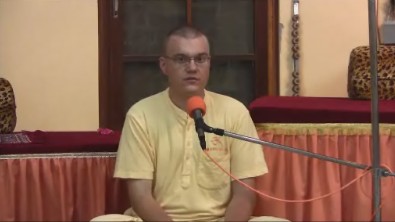
A satsang talk on spiritual transformation within ashram life.
"These pieces of pink stones, it is like us... and the workshop where they bring these pink stones is like this ashram."
"Yoga is love. Yoga is joy... it's a very, very important part of any sādhanā. It cannot just be all hard work."
Karma yogi Divya Purī opens the session from Jadan Ashram, using the metaphor of raw pink stone being carved in a workshop to describe the ashram's role in sculpting devotees through seva and sādhanā. He shares his personal journey since 2007, describing how the process, though sometimes painful, removes negative qualities and changes one's perception of the world. A second, unnamed speaker then reflects on the transformative power of the community, emphasizing the joy, mutual support, and acceptance found in long-term ashram living and the shared path of the resident karma yogis.
Filming location: Jadan Ashram, Rajasthan, India
Around the world - Holy Sandals of the Guru
22:00 - 22:35 (35 min)
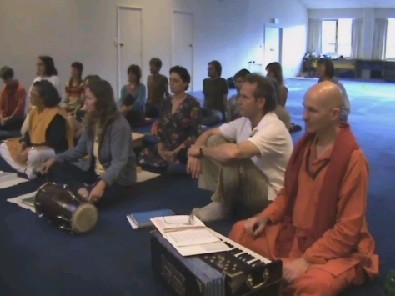
A commentary on Śaṅkara's Guru Pādukā Stotram, a hymn venerating the Guru's sandals.
"Salutations to the holy sandals of the Guru. These sandals help us cross the endless ocean of repeated births and deaths."
"Praying to the Guru's sandals can dry up this entire ocean of delusion."
The speaker provides a detailed exposition of the sacred hymn's significance, beginning with prayers to Gaṇeśa and the Guru lineage. He recounts the historical context of Ādi Śaṅkara's composition and explains selected verses, describing how the Guru's sandals bestow liberation, destroy afflictions like desire and anger, and grant dispassion and self-knowledge. The commentary integrates teachings from Swamijī and references devotional poets like Mīrābāī.
Filming location: Wellington, New Zealand
What means sanyas diksha
22:40 - 0:09 (89 min)
Evening satsang with VishwWaguruji from Jadan Ashram, Rajasthan, India. Singing bhajans, including Hanuman Chalisa. Chanting mantras. Introduction Swami Chandrapuri who became sanyasi. It is very important to achieve sannyas and seva in the life. It means purification and realization of the Self. You have to give up many things and live without attachments. Swami Chandrapuri tells how he met Vishwaguruji and explains the main steps towards sannyas diksha.
American
Australian