
European
Bhajan evening in the Strilky Ashram
0:50 - 1:43 (53 min)
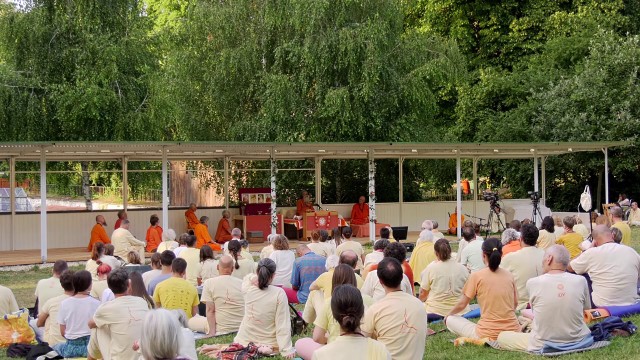
Evening satsang from Strilky Ashram, Czech Republic. Bhajan singing and translations. We shouldn't hold animals in a cage. They feel much pain there. Let them be free. We are also like that bird in the
Satsang and chanting of Hanuman Chalisa
1:50 - 3:07 (77 min)
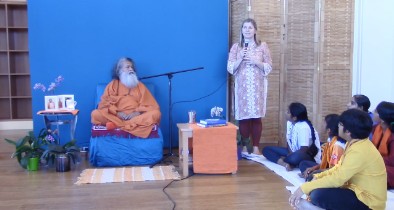
Program with Vishwaguru Maheshwarananda with chanting of Hanuman Chalisa and Bhagavad Gita Dhyana Sloka from San Francisco Bay Area, Oakland, USA.
Planting of peace tree in Gyor
3:15 - 3:29 (14 min)
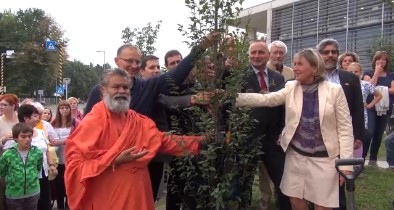
Planting of peace tree in Gyor, Hungary.
Bhajan singing on the Satsang
3:35 - 4:02 (27 min)
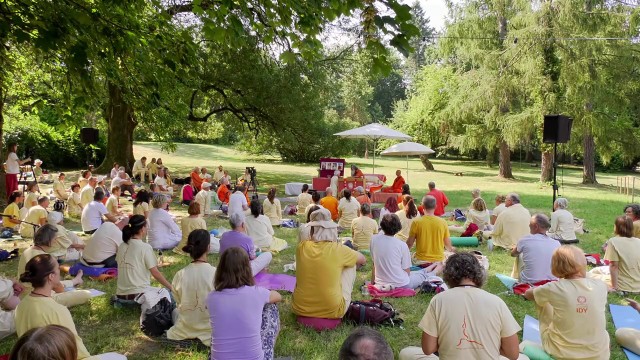
A devotional introduction and singing of a traditional bhajan.
"We can sing a very beautiful bhajan from Swāmī Lālā Nānjī. It is called Manarata Nāma, and it means, 'Oh my mind, repeat the name of God, repeat your mantra.'"
"Give your body and mind to Sāddhā Gurudeva, and he will destroy all your doubts and all your bad qualities. In the holy lotus feet of Satguru Deva reside all holy pilgrimages."
The speaker introduces a lesser-sung bhajan by Swāmī Lālā Nānjī, emphasizing the urgency of spiritual practice in human life. They explain the bhajan's theme of repeating the divine name and extol the glory and essential role of the true Guru in guiding devotees across the ocean of worldly existence. The session includes singing verses from the bhajan and concludes with salutations.
Filming location: Strilky, Czech Republic
Satsang and chanting of Hanuman Chalisa
4:45 - 6:02 (77 min)
Program with Vishwaguru Maheshwarananda with chanting of Hanuman Chalisa and Bhagavad Gita Dhyana Sloka from San Francisco Bay Area, Oakland, USA.
Turn Kali Yuga Into Satya Yuga
6:10 - 6:55 (45 min)
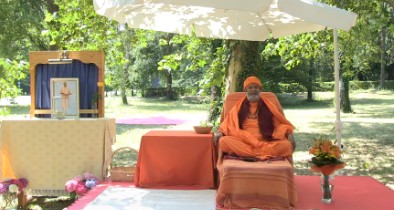
Morning satsang with Swamiji from Yoga Summer Retreat seminar from Vep, Hungary. When you live spiritual life your divine energy will avake. What is spirituality? The way, how you are living, when you are following Yoga in Daily Life. In that way you can turn Kali Yuga into Satya Yuga. Doesn't matter how hard is it, keep practicing.
Yoga in Daily Life - exercise program
7:00 - 8:29 (89 min)

Morning Yoga exercise according to system Yoga in Daily Life from Mahaprabhudeep Ashram, Strilky, Czech Republic.
Gurupurnima Satsang with Vishwaguruji (1/2)
8:35 - 10:39 (124 min)
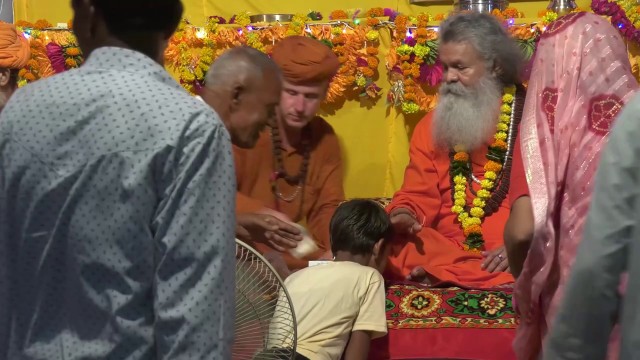
Gurupurnima Celebration with Vishwaguruji, Jadan Ashram, Pali, Rajasthan, India.
The four pillars of life
10:45 - 11:25 (40 min)
A discourse on the Vedic concepts of Puruṣa, Prakṛti, and the stages of life.
"Prakṛti is nature. Prakṛti is that which is created by God and is itself sustainable."
"Puruṣārtha is hard work, hard work to achieve something positive. And for that, you cannot do it in one year, two years, three years, or four years. It’s years and years and years."
A spiritual teacher delivers a satsang in Vienna, explaining the interplay between consciousness (Puruṣa) and nature (Prakṛti). He details the four human goals (Puruṣārthas)—Dharma, Artha, Kāma, Mokṣa—and the four corresponding life stages (Āśramas): Brahmacarya (student), Gṛhastha (householder), Vānaprastha (retirement), and Sannyāsa (renunciation). The talk emphasizes duty, selfless service, and the ultimate spiritual aim of life, illustrated with traditional teachings and personal anecdotes.
Filming location: Vienna, Austria
Be careful with the self-made Gurus
11:30 - 12:05 (35 min)
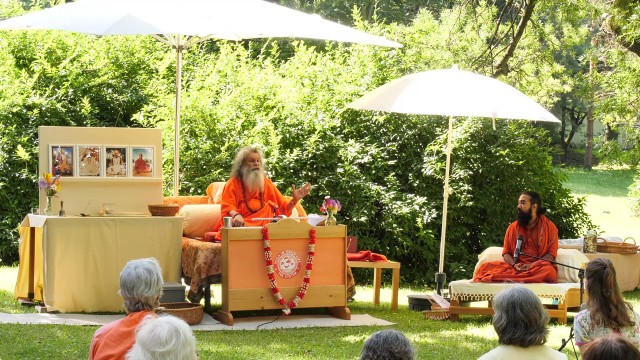
A spiritual discourse on the importance of discernment in seeking a true guru, illustrated with cautionary tales.
"Sometimes we just follow people by seeing their work, but not by understanding what they really are doing, and we follow blindly."
"It’s very important to find a real Satguru Dev, because nowadays, as we know, it’s Kali Yuga, and in Kali Yuga people are not so nice as they were once upon a time."
A speaker addresses a gathering, warning against blind faith in the spiritual search. He emphasizes the necessity of finding a genuine guru from an authentic lineage, contrasting this with self-serving imposters. He shares two parables: one about a blind sadhu whose devotional offering is eaten by a cat, leading to an unexamined ritual tradition, and another about a deceitful, nose-less fake guru who exploits disciples. The core message is to seek clarity, ask questions, and avoid following teachings without understanding.
Filming location: Strilky, Czech Republic
The relation between humans and God
11:35 - 12:55 (80 min)
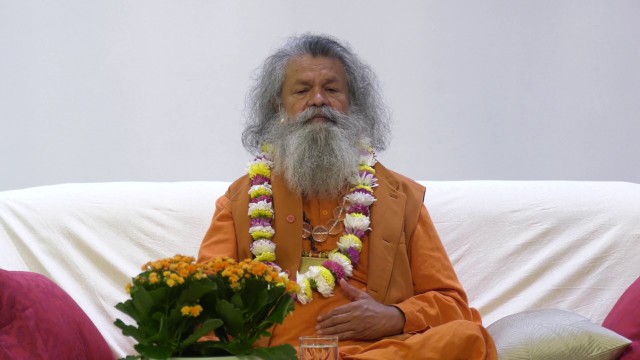
Evening satsang with Vishwaguruji from Split, Croatia. We must respect all elderly people. There is only one God. On the other hand, we are all gods. Water is the same in our bodies and in the ocean. Water can be clean or polluted, but it is still the same water. The impact of good words and negative actions can be far reaching. So we should be very soft. When we die, we all pass through the same door and we move on based on our actions.
The form and the formless
13:05 - 13:57 (52 min)
A spiritual discourse on purification, the body's energy systems, and mantra science.
"Any kind of illnesses you have, go and practice ṣaṭkarma: netī, dhautī, bastī, naulī, that kind of practice. This is inner purification."
"So, nirguṇa, it is a nādarūpa parabrahma. The resonance is the form of the Supreme."
A spiritual teacher addresses an assembly at an ashram, explaining the yogic science of purification. He begins by correlating the traditional four social classes (varnas) to different parts and functions of the human body, arguing the caste system is a bodily metaphor, not a social hierarchy. The core teaching outlines a threefold purification process: cleansing the physical body through Haṭha Yoga techniques like ṣaṭkarma, purifying the 72,000 nāḍīs (energy channels) through prāṇāyāma and mantra vibration, and finally cleansing the mind. He leads the audience in chanting exercises, such as feeling the vibration of "Oṃ," and emphasizes the importance of correct Sanskrit pronunciation for mantras to affect specific chakras. The talk expands to cover the five sheaths (kośas) and concludes that yoga is a practical science for realizing the formless reality within the temporary form.
Filming location: Melbourne, Australia
Trust your Gurudev
14:05 - 14:56 (51 min)
A spiritual discourse on the influence of the moon and the supreme protection of the Guru.
"The moon has one of the strongest influences on our planet. Not only for the humans, but the trees, the animals, even the ocean."
"The highest is the guru tattva... the greatest power, the protection, is that what we call the bulletproof jacket. And that bulletproof jacket is Guru Kṛpā, protection."
The speaker delivers an evening satsang, beginning with the astrological and physical influence of the moon, particularly around Guru Pūrṇimā. Using analogies from air travel and oceanography, he transitions to the core theme: that the grace and protection of a true Guru surpass all planetary influences and astrological fears. He shares stories and teachings emphasizing that genuine spiritual progress requires personal effort and devotion, not reliance on external rituals or superstitions, and concludes with a prayer.
Filming location: Jadan, Rajasthan, India
How To Practice Pranayam
15:00 - 15:57 (57 min)
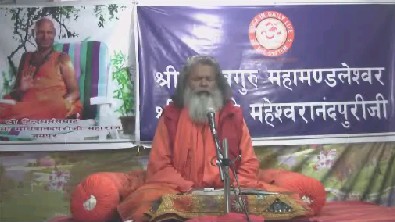
A detailed lecture on the chakras, kuṇḍalinī, and yogic practices.
"Each and every atom which develops in our body is filtered, taken care of, and checked by that energy, and each and every blood cell is charged with that energy."
"Patañjali said to his students, 'Your yoga sādhanā can only be successful if you have a discipline, anuśāsan, 'atha yoga anuśāsanam.' 'Atha' means now, now and now, not tomorrow."
A spiritual teacher delivers an evening program, explaining the Ādyā Śakti (Kuṇḍalinī) as the divine energy governing the universe and the individual. He details the eight main chakras, the three principal nāḍīs (Iḍā, Piṅgalā, Suṣumṇā), and the foundational practices for purification. The talk provides practical instructions for Nāḍī Śodhana Prāṇāyāma, abdominal breathing, Ujjāyī Prāṇāyāma, and the effects of bandhas, emphasizing discipline, correct posture, and the necessity of a teacher for proper practice.
How to reach perfection
16:05 - 16:57 (52 min)
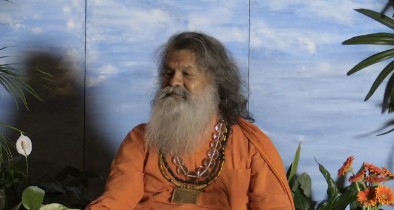
A spiritual discourse on the path of the true disciple and the journey to immortality.
"To be a disciple is not so easy. A disciple is an aspirant, which means you have inspiration."
"Yoga is that one which makes the human a divine, that divine which liberates and comes to the cosmic self forever and ever."
A spiritual teacher addresses a gathering, exploring the demanding nature of true discipleship versus mere aspiration. He emphasizes following the master's footsteps and guru-vākyā (the master's word), using teachings from various scriptures and parables, including lessons from Jesus and a story about a master and a critical shopkeeper. The talk covers the layers of spiritual practice from body to cosmic consciousness, stressing purification, humility, service, and the ultimate goal of liberation.
Filming location: Brisbane, Australia
Go back to Nature
17:05 - 17:55 (50 min)
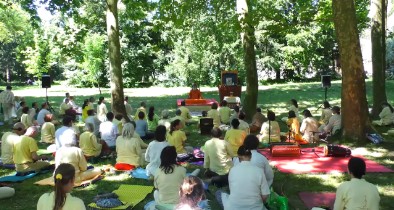
Morning satsang from Summer Retreat in Vep, Hungary. The natural environment has an immense amount of healthy prana, while using artificial things destroys the life energy.
Part 1: The Role of Yoga and Meditation in Improving Quality of Life for Cancer Patients
18:00 - 19:07 (67 min)
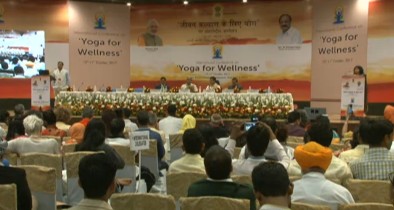
A medical lecture on the role of yoga and meditation as supportive care for cancer patients.
"We must note which specific yogic and meditative techniques were used, as these vary widely."
"Please do not give false hope that cancer will be cured... If a practitioner claims that prāṇāyāma, dhyāna, and some Ayurvedic herbs... can cure cancer, they are committing a grave sin against society."
A doctor from AIIMS Delhi presents a detailed analysis of scientific studies on yogic interventions for cancer patients, emphasizing they are complementary to standard treatments like chemotherapy. He strongly warns against practitioners falsely claiming yoga can cure cancer, shares data on benefits for quality of life and stress, and proposes a large-scale research trial combining yoga, meditation, and herbal products for cancer prevention and care.
Filming location: Delhi, India
The Path of Conscious Living and Mercy
19:15 - 19:55 (40 min)
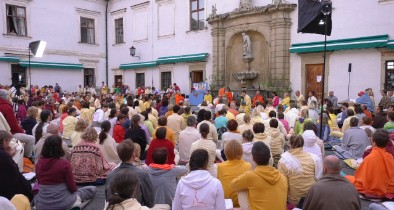
A satsang on spiritual development, karma, and conscious living.
"True spirituality purifies negative karmas and frees the soul. We are covered by vibrations, karmic influences, and ignorance."
"As humans among 8.4 million life forms, we possess intellect, vivekā, and karuṇā (mercy) in our hearts... Life is dear to everyone."
Swami Gajānandji addresses a global gathering at the ashram, discussing the distinction between religion and soul purification. He explains how unconscious actions, particularly harming life for food, create karmic burdens that obscure the soul. Using a bhajan by Saint Sūradāsa and teachings from the Bhagavad Gītā, he emphasizes the need for conscious action, discriminative wisdom (vivekā), and extending mercy to all beings to achieve liberation.
Filming location: Strilky, Czech Republic
Listen to only ourselves and our Gurudev
20:00 - 20:40 (40 min)
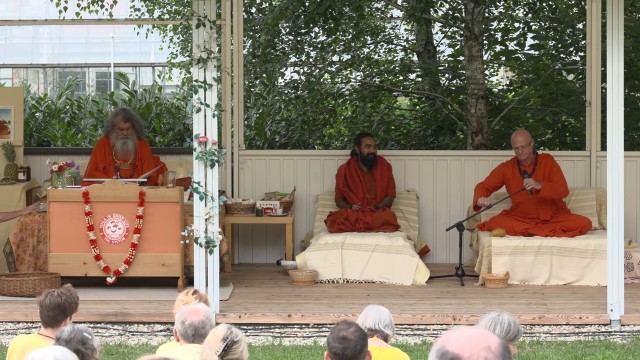
A satsang discourse on the true purpose of spiritual holidays and the importance of guru guidance.
"Coming here to the Ashram... after a whole year of working and school, is truly a holiday."
"The only way for that is to be in satsaṅg, to have darśan with a self-realized person, a guru, and to be in peace."
A speaker addresses attendees at Strelka Ashram, contrasting modern distractions with the ancient value of solitude (ekānta) for reflection. He emphasizes that a spiritual holiday involves satsang, darshan, and unity within the spiritual family. He shares a cautionary tale of a couple who, by listening to others' opinions instead of directly approaching their guru, create conflict, illustrating the need for direct guidance and discernment.
Filming location: Strilky, Czech Republic
Narada cursed Vishnu
20:15 - 20:58 (43 min)
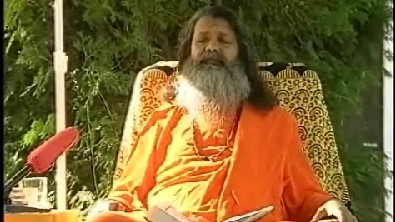
A narration of the mythological story of Nārada's curse upon Lord Viṣṇu, followed by a discourse on its spiritual meaning.
"You made me a monkey, and I tell you, when you will be in great trouble, only the monkey will help you, nobody else."
"The merciful Lord said, 'Nārada, that was all My icchā. It was My will.'"
The speaker recounts how the sage Nārada, enraged after being tricked by Viṣṇu's illusion (māyā), confronts the Lord to curse Him. In his anger, Nārada pronounces a curse that Viṣṇu will incarnate as Rāma, suffer separation from His wife, and be aided by monkeys. Viṣṇu accepts the curse, explaining it was His own divine will, and later dissolves the illusion. A remorseful Nārada seeks forgiveness, and Viṣṇu promises to give him a liberating Kriyā. The talk includes a tangential account of the churning of the ocean (Samudra Manthan) to illustrate Nārada's accusations.
Filming location: Vép, Hungary
Satsang from Maha Kumbha Mela
21:05 - 21:44 (39 min)
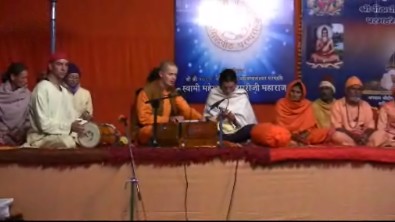
Satsang from Illahabad
This ashram is your work
21:50 - 22:25 (35 min)
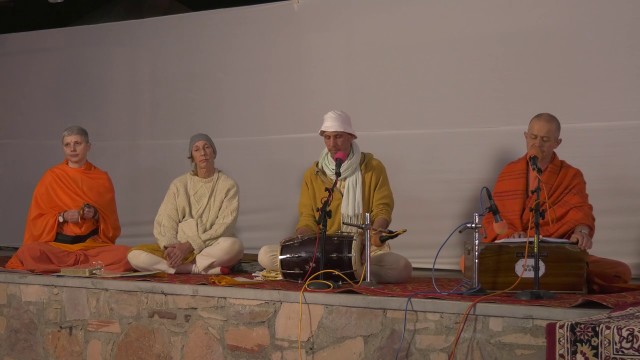
Evening satsang with Vishwaguruji from Jadan Ashram, Rajasthan, India. Bhajan singing. Welcoming words from Vishwaguruji. I was so happy how we made this Ashram, people from many many countries. Indian people are also coming and see how great it is.
Bhajan singing from Jadan
22:30 - 22:41 (11 min)
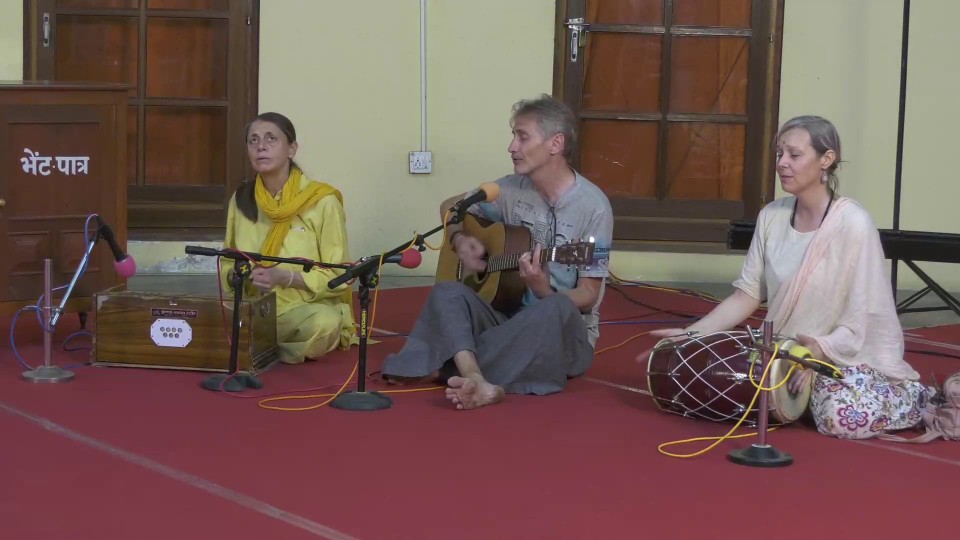
Evening satsang with Vishwaguruji from Jadan Ashram, Rajasthan, India.
Singing bhajans by Swami Gajanandji
22:45 - 23:22 (37 min)
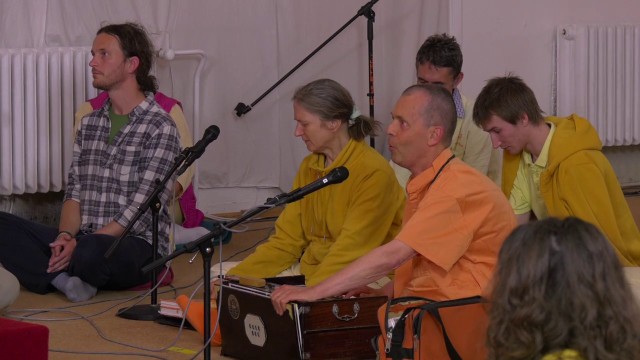
Evening satsang with Vishwaguruji from Strilky Ashram, Czech Republic. Singing bhajans by Swami Gajanandji.
Bhajan evening from Vep
23:30 - 0:25 (55 min)
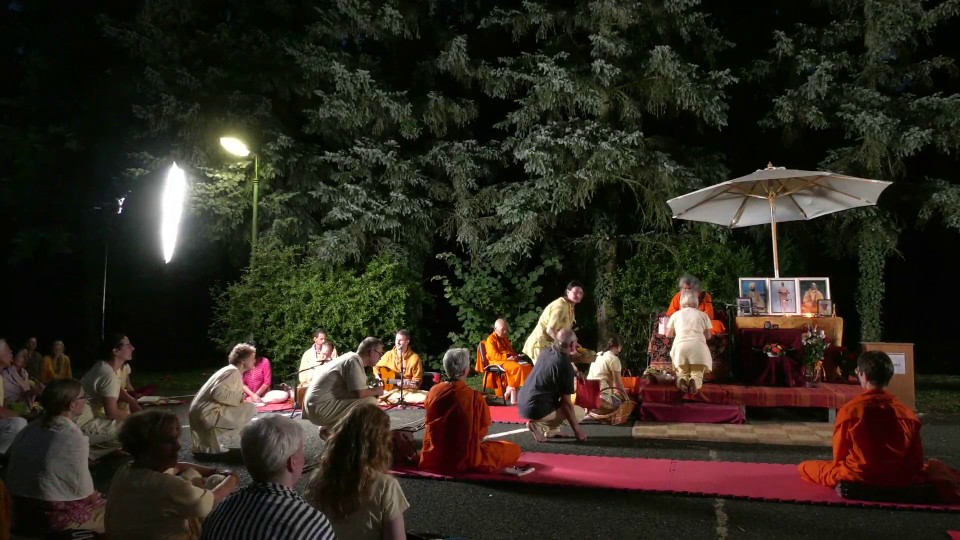
Evening satsang with Vishwaguruji from Vep, Hungary. Bhajan singing.
American
Australian