
European
Rishi
0:05 - 0:48 (43 min)
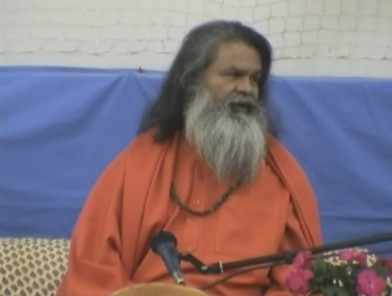
Swamiji in Sliac, 4th April 2007
Live webcast from Strilky
0:15 - 1:45 (90 min)
Evening satsang from Strilky Ashram, Czech Republic.
In the service of Life
0:55 - 1:39 (44 min)
India, Summer 2005. Report about the Swamijis activities.
Guru Mahima
1:45 - 2:20 (35 min)
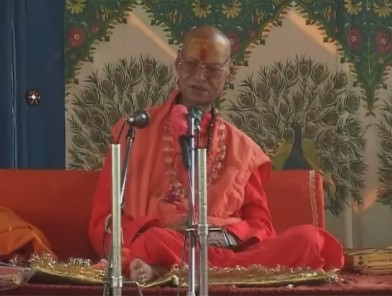
Satsang on the occasion of Gurupurnima in Jadan, India given by His Holiness Sri Swami Madhavananda Puriji.
Bhajan singing from Vep
2:30 - 3:12 (42 min)
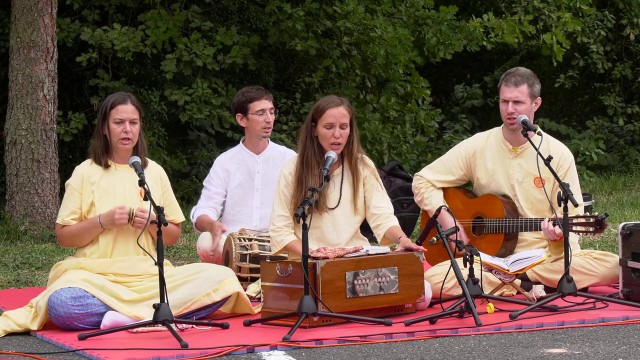
Morning program from Vep, Hungary. Singing bhajans in the presence of Gurudev.
Bhajan singing from Vep
3:20 - 3:52 (32 min)
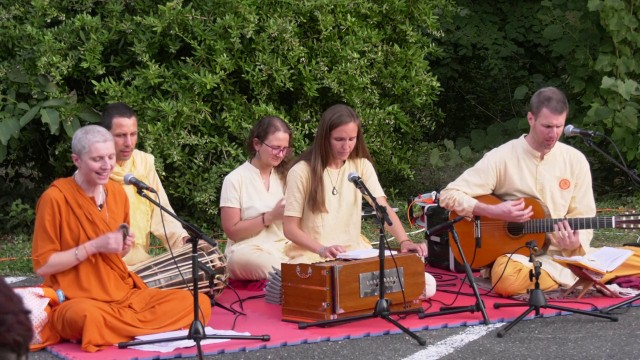
Evening satsang with Vishwaugurji from Vep, Hungary. Singing bhajans, including Guru sa bina, Bacana vale lage sa, Guruvara me cal
Bhajan evening in Jadan Ashram
4:00 - 4:39 (39 min)
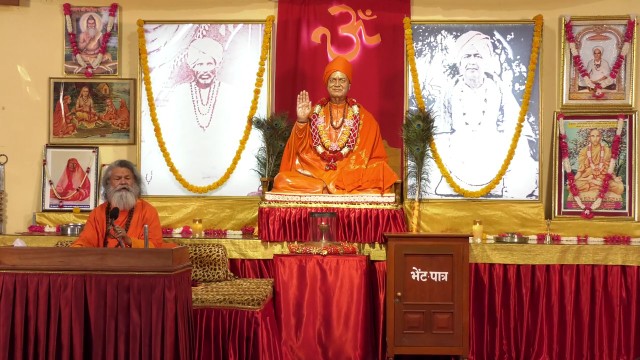
Evening satsang with Vishwaguruji from Jadan Ashram, Rajasthan, India. Bhajan singing.
Bhajans from Slovenska Vas
4:45 - 5:24 (39 min)
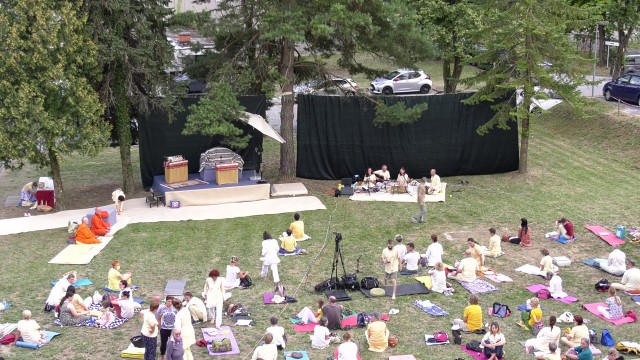
Evening satsang from Slovenska Vas, Slovenia.
Satsang from Spisska Nova ves
5:30 - 6:41 (71 min)
Evening satsang with Vishwaguruji from Spisska Nova Ves, Slovak Republic. Bhajan singing. Talk of the bhaktas about the construction and opening ceremony of the Om Ashram.
You are Infinite, Pula
6:45 - 8:21 (96 min)
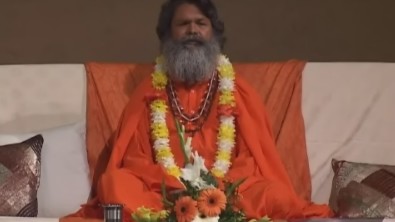
Public Lecture, Pula, Croatia, 2004
Navaratri - Honoring the Divine Mother and speech on Kriya Yoga, Gold Coast
8:25 - 10:09 (104 min)
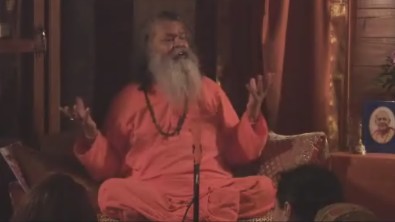
Navaratri is a nine day celebration of the divine mother - Shakti. Singing and translation of Holy Gurujis bhajan: "Jaya Matesvari Jaya Devi Candan." Ram Navami is a festival, celebrating the incarnation of Lord Rama. What is Kriya Yoga? How can Kriya help you? What does Kriya do in our body? In our mind? In our consciousness? In our intellect? On our soul? And how it leads us to the divine consciousness, the Atma? There are six Kriyas in Hatha Yoga techniques which are cleaning and purifying our body. Practicing the spiritual Kriya Yoga technique will purify our subconsciuosness. Kriya is one of the best, quickest and sure path of the human life. Kriya practicing awakens the Kundalini Shakti. Through divine prayers and spiritual Kriyas we can purify our destinies. It will uplift and enlighten our consciousness, then we become free from the Karmas. Recorded at bush retreat at Mudgeeraba, Gold Coast, Australia.
Prashad
10:15 - 10:56 (41 min)
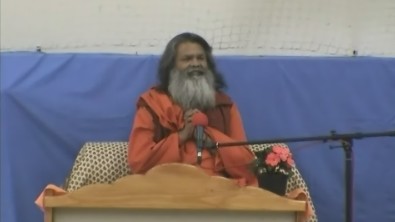
Swamiji in Sliac, 3rd April 2007.
Morning Yoga practice, Umag, Croatia (1/9)
11:00 - 12:37 (97 min)
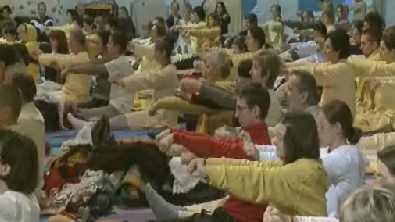
Morning Yoga practice from the international Yoga retreat Umag, Croatia on the 25th of September 2010
Śaṅkha Prakṣālana and Kunjal Kriyā: Purification of the Intestine and Stomach
13:00 - 13:40 (40 min)
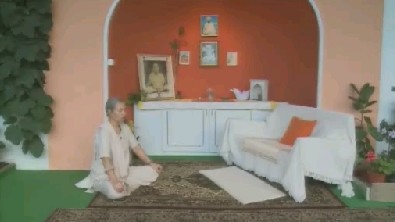
A practical demonstration and instructional lecture on the Haṭha Yoga purification techniques of Śaṅkha Prakṣālana and Kunjal Kriyā.
"Śaṅkha Prakṣālana is a very good exercise, but it has to be done early in the morning, of course, on an empty stomach."
"After Śaṅkha Prakṣālana, after purification, you have to keep a diet for at least, strictly, seven days, one week, and up to one month."
An instructor leads a session at an ashram, detailing the procedures for intestinal and stomach cleansing. He explains the preparation, the specific exercises and drinking process for Śaṅkha Prakṣālana, and the subsequent technique for Kunjal Kriyā (Vaman Dhautī), assisted by two experienced practitioners. Key themes include the importance of timing, dietary restrictions post-practice, and the health benefits of these purification rituals.
Filming location: Strilky, Czech Republic
In the service of Life
13:45 - 14:29 (44 min)
India, Summer 2005. Report about the Swamijis activities.
The Universal Embrace of Yoga and Spirituality
14:35 - 15:34 (59 min)
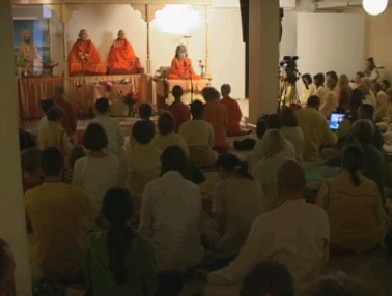
An evening satsang on the universal principles of yoga, karma, and selfless service.
"Yoga means unity. Yoga means harmony. Yoga means union. And Yoga also means balance."
"Through Sādhana and through Sevā—these two—spirituality grows."
Swami Ji from the Sri H. G. Ashram leads a discourse from Vienna, explaining yoga as a scientific path for harmony that connects the individual to the entire cosmos. He teaches that spiritual growth comes from balancing personal practice (Sādhana) with selfless service (Sevā), illustrating this with a story of Pārvatī's sacrifice. The talk covers interconnectedness, compassion, and overcoming the ego, concluding with a meditation.
Filming location: Vienna, Austria
Daya ist unser dharma, Vienna
15:40 - 16:29 (49 min)
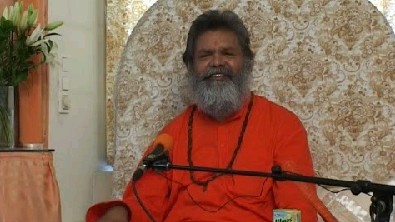
A spiritual discourse on the foundational principles of Dharma and the path to liberation.
"Compassion is the root of Dharma; the root of sin is ego."
"Dharma Rakṣita. If you can protect your Dharma, Dharma will protect you."
The speaker, likely a spiritual teacher, expounds on the core human Dharma (duty), defining it as compassion (Dayā) and self-realization. Using quotes from Tulsīdāsa, a story about a yogi and a hunter, and allegories like the wish-fulfilling tree, the talk explores using discriminative intellect (Viveka), the perils of ego and attachment, and the lifelong practice required for liberation, touching on the stages of life (Āśramas) and the practice of silent meditation (Mauna).
Filming location: Vienna, Austria
If you have dedication, you get everything
16:35 - 17:39 (64 min)
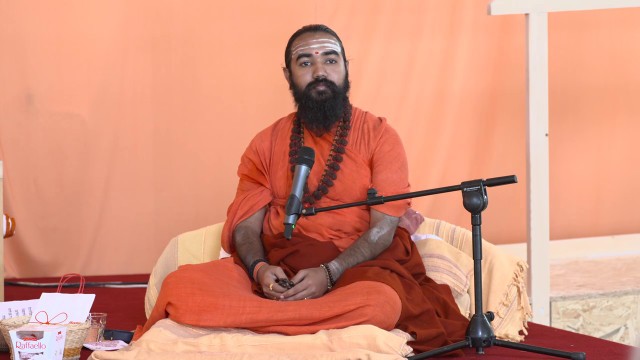
A morning satsang on simplicity, renunciation, and devotion.
"Life is simple. No need to complicate it. We just need two pieces of cloth, or even one."
"If you have true Guru Bhakti, if you have true dedication towards your Guru, if you believe in Him, then you will eventually get what you are waiting for."
The lecturer begins by demonstrating the traditional gati cloth worn by sadhus, explaining its symbolism and the meaning of the tripuṇḍ tilak. He shares a parable about a jealous priest and a magical conch to illustrate the folly of envy. The discourse then explores the life of Gautama Buddha as an exemplar of renunciation and dedication, followed by a story of the disciple Giri's devotion to Adi Shankaracharya. The session includes Sanskrit chants and concludes with a bhajan.
Filming location: Strilky, Czech Republic
Sanatan Dharma is for all
17:45 - 18:43 (58 min)
Satsang with Vishwaguruji from Jaipur Ashram, India. Culture unites us. Real dharma is called Sanatan Dharma and it is for all. As humans spread around the world, cultures merge into each other, but some things such as mentality remain. We should follow organic farming and consume organic food. It is advisable to avoid using manipulated seeds. In our sadhana (practice) we should rise above language, nation and culture.
If you have dedication, you get everything
18:50 - 19:54 (64 min)
A morning satsang on simplicity, renunciation, and devotion.
"Life is simple. No need to complicate it. We just need two pieces of cloth, or even one."
"If you have true Guru Bhakti, if you have true dedication towards your Guru, if you believe in Him, then you will eventually get what you are waiting for."
The lecturer begins by demonstrating the traditional gati cloth worn by sadhus, explaining its symbolism and the meaning of the tripuṇḍ tilak. He shares a parable about a jealous priest and a magical conch to illustrate the folly of envy. The discourse then explores the life of Gautama Buddha as an exemplar of renunciation and dedication, followed by a story of the disciple Giri's devotion to Adi Shankaracharya. The session includes Sanskrit chants and concludes with a bhajan.
Filming location: Strilky, Czech Republic
Rishi
20:00 - 20:43 (43 min)
Swamiji in Sliac, 4th April 2007
How to train our mind?
20:50 - 21:11 (21 min)
A spiritual discourse on taming the restless mind using a parable from Gurudeva.
"Our mind is chanchal. Chanchal means very restless, and that is normal for a human mind, but you need to learn how to train and tame your mind."
"In the same way, our minds are very restless, running around. We should just let it go; that is its job, to roam around and have thoughts continuously. Then, slowly, slowly, train your mind towards Guru Bhakti."
A speaker recounts Gurudeva's parable of a king's untamable horse and the patient trainer who tamed it through gentle, persistent companionship and reward. The story serves as an analogy for taming the restless mind through devotion to the Guru and the path of Bhakti, rather than forceful suppression. The session concludes with the guided recitation and explanation of a Sanskrit mantra focused on meditating on the Supreme Self within the heart.
Filming location: Strilky, Czech Republic
Be careful with the self-made Gurus
21:15 - 21:50 (35 min)
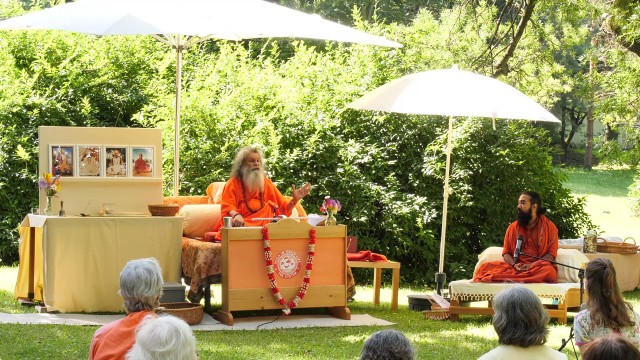
A spiritual discourse on the importance of discernment in seeking a true guru, illustrated with cautionary tales.
"Sometimes we just follow people by seeing their work, but not by understanding what they really are doing, and we follow blindly."
"It’s very important to find a real Satguru Dev, because nowadays, as we know, it’s Kali Yuga, and in Kali Yuga people are not so nice as they were once upon a time."
A speaker addresses a gathering, warning against blind faith in the spiritual search. He emphasizes the necessity of finding a genuine guru from an authentic lineage, contrasting this with self-serving imposters. He shares two parables: one about a blind sadhu whose devotional offering is eaten by a cat, leading to an unexamined ritual tradition, and another about a deceitful, nose-less fake guru who exploits disciples. The core message is to seek clarity, ask questions, and avoid following teachings without understanding.
Filming location: Strilky, Czech Republic
Prana is life energy
21:55 - 22:44 (49 min)
Morning satsang from Summer Retreat in Vep, Hungary. While prana is present in the body a human is alive, even if there are no breathing functions and the heart activity is not visible. Vishwaguruji explains the story of the great saint, Valmiki.
Mental food
22:50 - 0:48 (118 min)
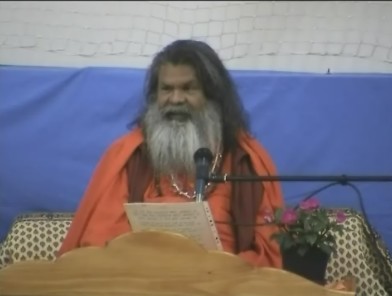
Swamiji in Sliac, April 2007
American
Australian