
European
In the dream of awakening
0:20 - 1:31 (71 min)
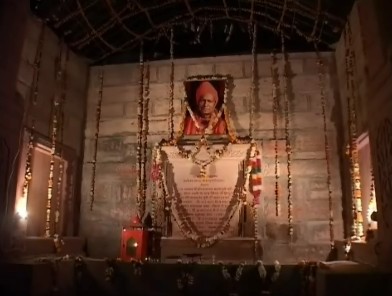
India, Winter 2004/2005. Report about the winter tour of Swamiji in India.
Kundalini: The Serpent Power of Destiny
1:35 - 2:25 (50 min)
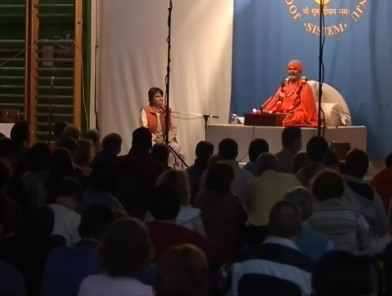
A discourse on Kundalini yoga, destiny, and spiritual wisdom.
"Kundalini is the Śakti, the power that directs our life. It is the dormant energy within our consciousness, connected to certain physical centers in the body."
"Destiny is the product of your own actions. No one is there to be blamed. You are only yourself responsible for your destiny."
Swami Satyananda Saraswati explains the nature of Kundalini as a dormant serpent power and its connection to personal destiny, which is shaped by past karma. He emphasizes the importance of acting with awareness of deśa (place) and kāla (time/circumstances) to achieve harmony and avoid problems. The talk explores the symbolism of the snake as both time/death and spiritual energy, concluding that self-realization frees one from destiny's power.
Filming location: Kranj, Slovenia
Bhajans evening from the Strilky Ashram
2:30 - 3:33 (63 min)
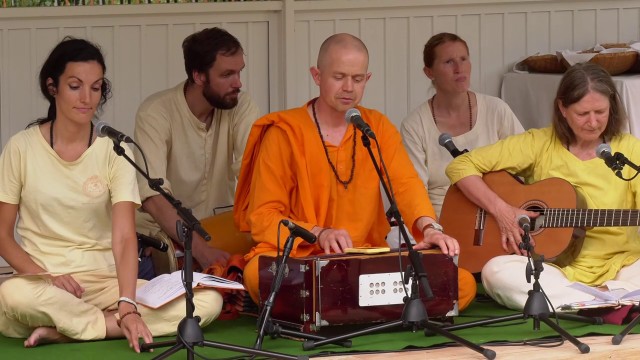
Evening satsang from Strilky Ashram, Czech Republic. Bhajan singing and translation.
Bhajan evening in the Strilky Ashram
3:40 - 4:33 (53 min)
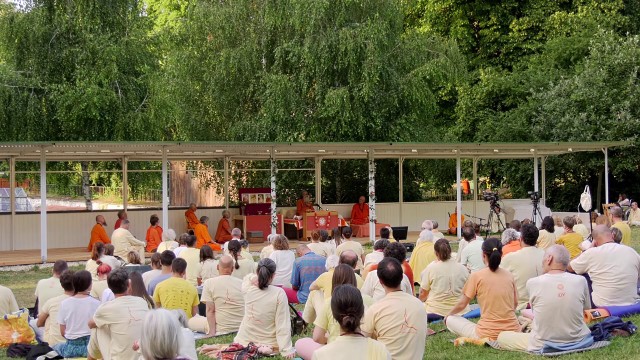
Evening satsang from Strilky Ashram, Czech Republic. Bhajan singing and translations. We shouldn't hold animals in a cage. They feel much pain there. Let them be free. We are also like that bird in the
Bhajan singing from Jadan
4:40 - 4:51 (11 min)
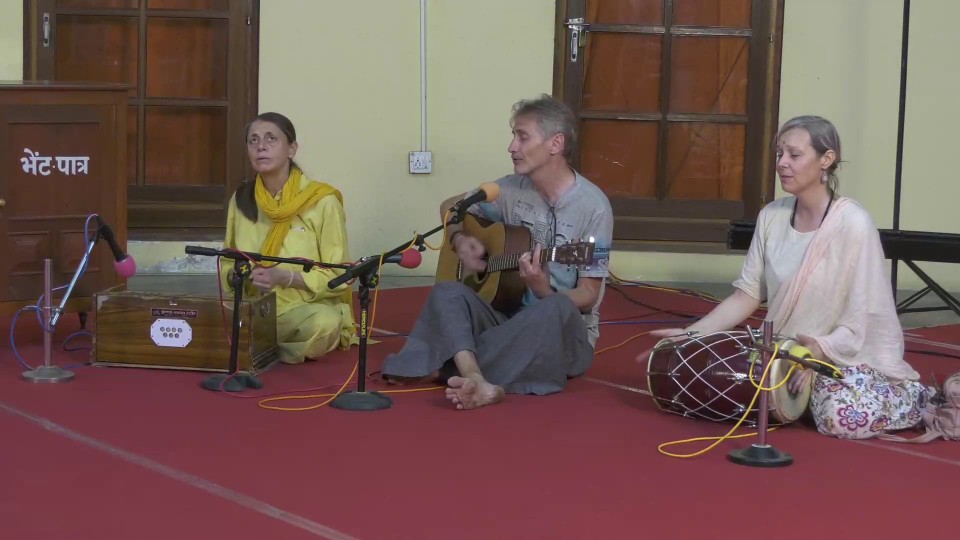
Evening satsang with Vishwaguruji from Jadan Ashram, Rajasthan, India.
Yuga Yuga Jivo Maheshwarananda
4:55 - 5:02 (7 min)
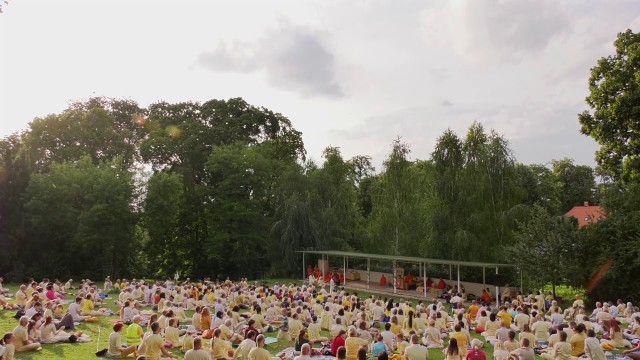
Evening satsang with Vishwaguruji from Strilky Ashram, Czech Republic. Bhajan singing on Gurupurnima satsang.
Sataguru rakho laj hamari
5:10 - 5:16 (6 min)
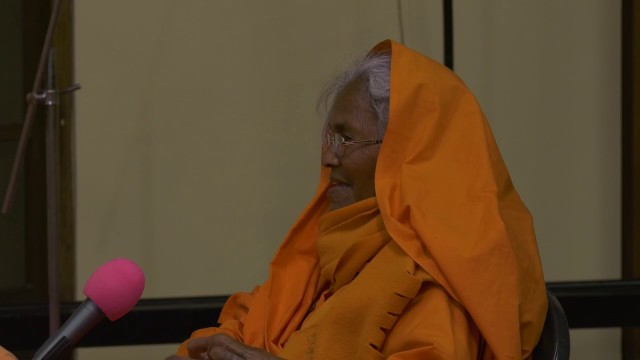
Evening satsang from Jadan Ashram, Rajasthan, India. Vishwaguruji"s sister sings Bhajans.
Repeat the name of Gurudev
5:20 - 5:47 (27 min)
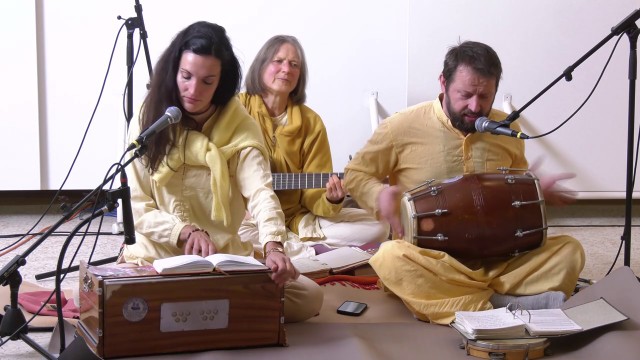
Evening satsang with Vishwaguruji from Vienna, Austria. Bhajan singinig to the Guru. Guru carano me arasatha tiratha he
Navaratri - Honoring the Divine Mother and speech on Kriya Yoga, Gold Coast
5:55 - 7:39 (104 min)
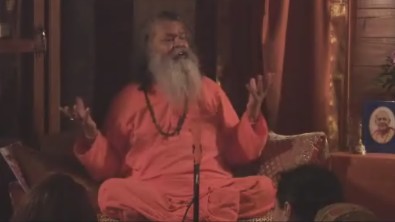
Navaratri is a nine day celebration of the divine mother - Shakti. Singing and translation of Holy Gurujis bhajan: "Jaya Matesvari Jaya Devi Candan." Ram Navami is a festival, celebrating the incarnation of Lord Rama. What is Kriya Yoga? How can Kriya help you? What does Kriya do in our body? In our mind? In our consciousness? In our intellect? On our soul? And how it leads us to the divine consciousness, the Atma? There are six Kriyas in Hatha Yoga techniques which are cleaning and purifying our body. Practicing the spiritual Kriya Yoga technique will purify our subconsciuosness. Kriya is one of the best, quickest and sure path of the human life. Kriya practicing awakens the Kundalini Shakti. Through divine prayers and spiritual Kriyas we can purify our destinies. It will uplift and enlighten our consciousness, then we become free from the Karmas. Recorded at bush retreat at Mudgeeraba, Gold Coast, Australia.
In the dream of awakening
7:45 - 8:56 (71 min)
India, Winter 2004/2005. Report about the winter tour of Swamiji in India.
Divine knowledge
9:00 - 10:50 (110 min)
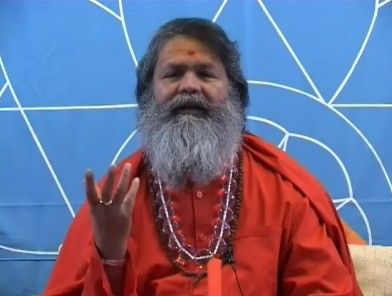
Johannesburg, South Africa in September 2004. Followed by "YIDL Lineage", "Unity in diversity". "Kundalini and Chakras". Finally follows a Lecture about Yoga Nidra followed by Awakening of the Healing powers.
Practicing of the system 'Yoga in Daily Life', Level 1 - Part 6
11:00 - 12:05 (65 min)
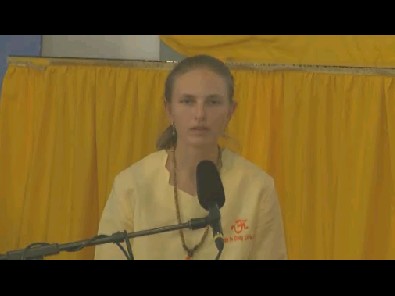
Practicing of the system "Yoga in Daily Life", Level 1 - Part 6, in Om Vishwa Deep Gurukul Swami Maheshwaranand Ashram, Jadan, Rajasthan, India on 24th of October 2009.
Prashad
12:10 - 12:51 (41 min)
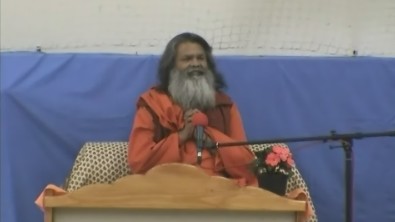
Swamiji in Sliac, 3rd April 2007.
Hatha Yoga Kriyas (2/3)
13:00 - 13:27 (27 min)
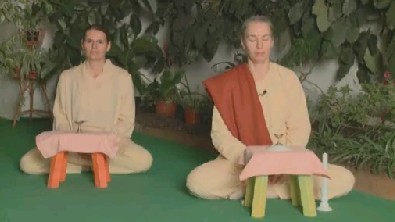
Hatha Yoga Kriyas, with Swamiji and Uma Puri, from Strilky Ashram, (CZ) on 14th November 2009.
Sanatan Dharma is for all
13:35 - 14:33 (58 min)
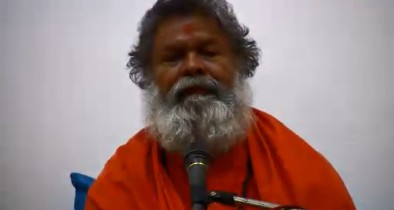
Satsang with Vishwaguruji from Jaipur Ashram, India. Culture unites us. Real dharma is called Sanatan Dharma and it is for all. As humans spread around the world, cultures merge into each other, but some things such as mentality remain. We should follow organic farming and consume organic food. It is advisable to avoid using manipulated seeds. In our sadhana (practice) we should rise above language, nation and culture.
If you have dedication, you get everything
14:40 - 15:44 (64 min)
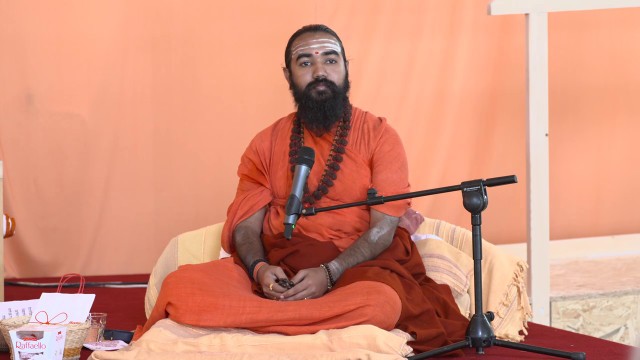
A morning satsang on simplicity, renunciation, and devotion.
"Life is simple. No need to complicate it. We just need two pieces of cloth, or even one."
"If you have true Guru Bhakti, if you have true dedication towards your Guru, if you believe in Him, then you will eventually get what you are waiting for."
The lecturer begins by demonstrating the traditional gati cloth worn by sadhus, explaining its symbolism and the meaning of the tripuṇḍ tilak. He shares a parable about a jealous priest and a magical conch to illustrate the folly of envy. The discourse then explores the life of Gautama Buddha as an exemplar of renunciation and dedication, followed by a story of the disciple Giri's devotion to Adi Shankaracharya. The session includes Sanskrit chants and concludes with a bhajan.
Filming location: Strilky, Czech Republic
The Pearl of Everlasting Bliss
15:50 - 16:11 (21 min)
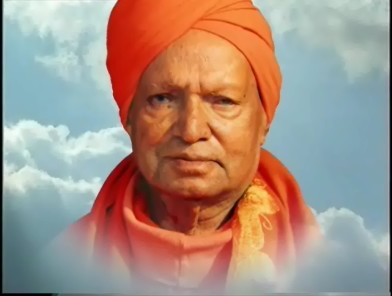
A biographical tribute to the life and legacy of Hindu saint Paramahaṁsa Śrī Svāmī Madhavānandajī.
"My eyes filled with tears, and I fell to my knees. I knew I had found the everlasting light of my life. I was home at last."
"All humans belong to one religion, and that is humanity... ahiṃsā paramo dharma: non-violence is the highest religion."
The narrative chronicles the spiritual journey of Swami Madhavānandaji, from his childhood in Rajasthan and transformative meeting with his guru, Bhagavān Śrīdīp Nārāyaṇa Mahāprabhujī, to his life of devotion, teaching, and global service. It details his initiation, his work establishing ashrams, and his teachings on non-dualism and universal love, culminating in his Mahāsamādhi in 2003 and the continuation of his lineage through his disciple, Swami Māheśvarānandajī.
Filming location: Rajasthan, India; Kathu Ashram, India; Bola Guda Ashram, India; Nepal
Satsang from Spisska Nova ves
16:15 - 17:26 (71 min)
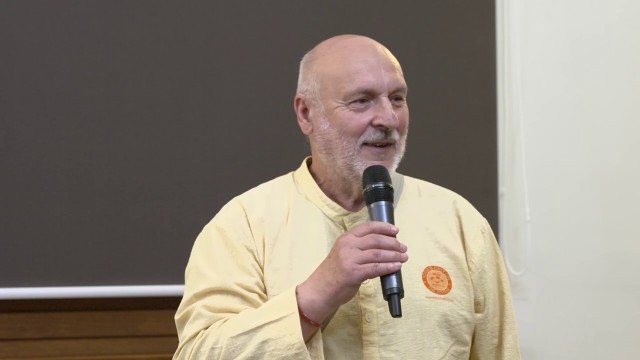
Evening satsang with Vishwaguruji from Spisska Nova Ves, Slovak Republic. Bhajan singing. Talk of the bhaktas about the construction and opening ceremony of the Om Ashram.
Renounce
17:30 - 18:36 (66 min)
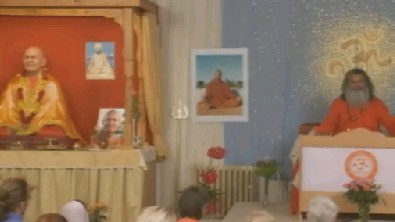
Webcast of Swamijis evening Satsang from Strilky Ashram, CZ on May 15th 2010. Enter the kingdom of the Lord through the gate of sacrifice, renounce.
Daya ist unser dharma, Vienna
18:40 - 19:29 (49 min)
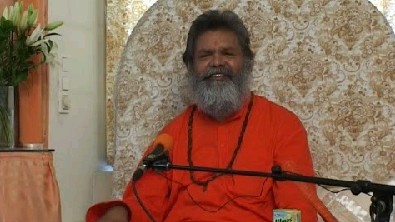
A spiritual discourse on the foundations of dharma, compassion, and the stages of life.
"Compassion is the root of Dharma, while the root of sin is ego."
"Dharma rakṣita, rakṣita: If you can protect your Dharma, then Dharma can protect you."
The speaker delivers a teaching on the essence of human duty (dharma), establishing compassion (dayā) as its fundamental root contrasted with the ego, which is the root of sin. Using the intellect (buddhi) and discernment (viveka) to navigate life's dilemmas is emphasized, illustrated by a story of a yogi and a hunter. The talk outlines the four traditional stages of life (āśramas) and stresses the integration of spiritual practice, like 24-hour Kriyā Yoga and self-inquiry, into one's daily existence to achieve liberation.
Filming location: Vienna, Austria
This ashram is your work
19:35 - 20:10 (35 min)
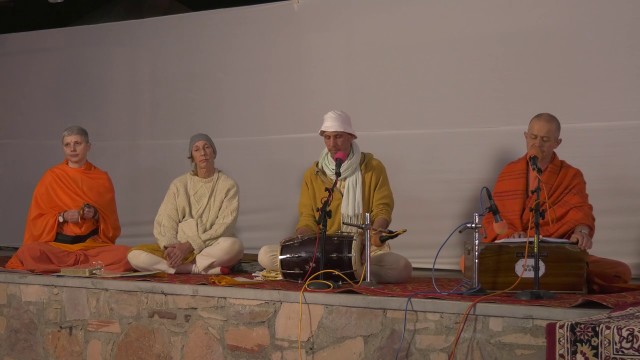
Evening satsang with Vishwaguruji from Jadan Ashram, Rajasthan, India. Bhajan singing. Welcoming words from Vishwaguruji. I was so happy how we made this Ashram, people from many many countries. Indian people are also coming and see how great it is.
Yoga is a science
20:15 - 21:34 (79 min)
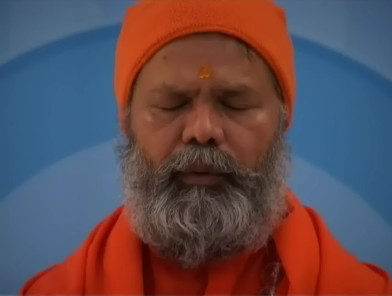
A spiritual lecture on Kuṇḍalinī, chakras, and the purpose of human life.
"Yoga is the science of body, mind, consciousness, and soul. Yoga without spirituality is like a body without a soul."
"Chakra is that which is purifying our body, mind, and consciousness. Chakra has to be purified through practice of mantra, prayers, or some yogic kriyās. Then the kuṇḍalinī will awake."
The teacher continues a multi-day seminar, delving into the nature of human consciousness through the lens of Kuṇḍalinī energy and the chakra system. He explains the five layers of the body (kośas), the persistence of karma using an analogy of salt in water, and the symbolism of the Mūlādhāra chakra—its red color, lotus imagery, and four petals representing the four aims of life: dharma, artha, kāma, and mokṣa. The discourse expands into themes of universal love, friendship, and living in the world with detachment, like a lotus in water.
Filming location: Australia
You are Infinite, Pula
21:40 - 23:16 (96 min)
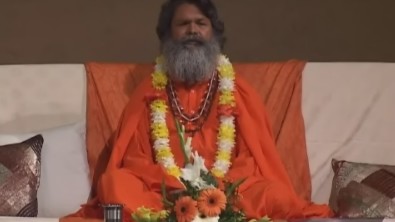
Public Lecture, Pula, Croatia, 2004
Be careful with the self-made Gurus
23:20 - 23:55 (35 min)
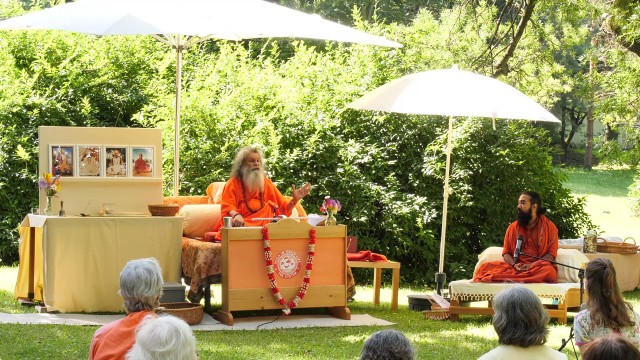
A spiritual discourse on the importance of discernment in seeking a true guru, illustrated with cautionary tales.
"Sometimes we just follow people by seeing their work, but not by understanding what they really are doing, and we follow blindly."
"It’s very important to find a real Satguru Dev, because nowadays, as we know, it’s Kali Yuga, and in Kali Yuga people are not so nice as they were once upon a time."
A speaker addresses a gathering, warning against blind faith in the spiritual search. He emphasizes the necessity of finding a genuine guru from an authentic lineage, contrasting this with self-serving imposters. He shares two parables: one about a blind sadhu whose devotional offering is eaten by a cat, leading to an unexamined ritual tradition, and another about a deceitful, nose-less fake guru who exploits disciples. The core message is to seek clarity, ask questions, and avoid following teachings without understanding.
Filming location: Strilky, Czech Republic
American
Australian