
European
Bhajan evening from Strilky Ashram with Vishwaguruji
0:10 - 1:23 (73 min)
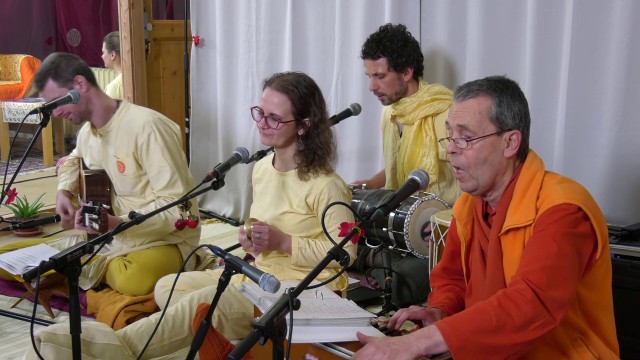
Evening satsang with Vishwaguruji from Strilky Ashram, Czech Republic. Bhajan singing. We worship Brahma Visnu Siva Krishna and Rukmani also. Bhajan singing again. Short meditation.
You and me are one
1:30 - 2:09 (39 min)
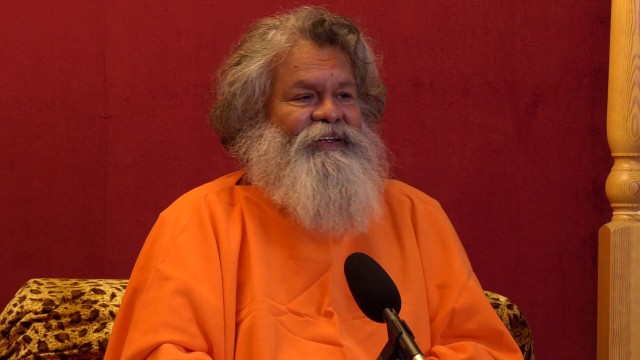
A spiritual discourse on the nature of life, death, and authentic practice.
"Life is everywhere. Then there are the flying creatures... They are happy, or they think, 'We are all right, we are good.'"
"It is said that if they burn the body completely, everything that is there, then they are going far... all is going, life."
The speaker shares a series of contemplations and personal anecdotes, including a story about a mother figure (Mātājī) in Vienna and a nighttime encounter with a spiritual presence resembling his Guru. He discusses the pervasiveness of life, the process of death and cremation, and uses the metaphor of a drop merging into the ocean to describe spiritual unity. The talk concludes with a critique of modern yoga practices focused on money rather than genuine inner realization.
Filming location: Vienna, Austria
Respect the life of other creatures
2:15 - 3:03 (48 min)
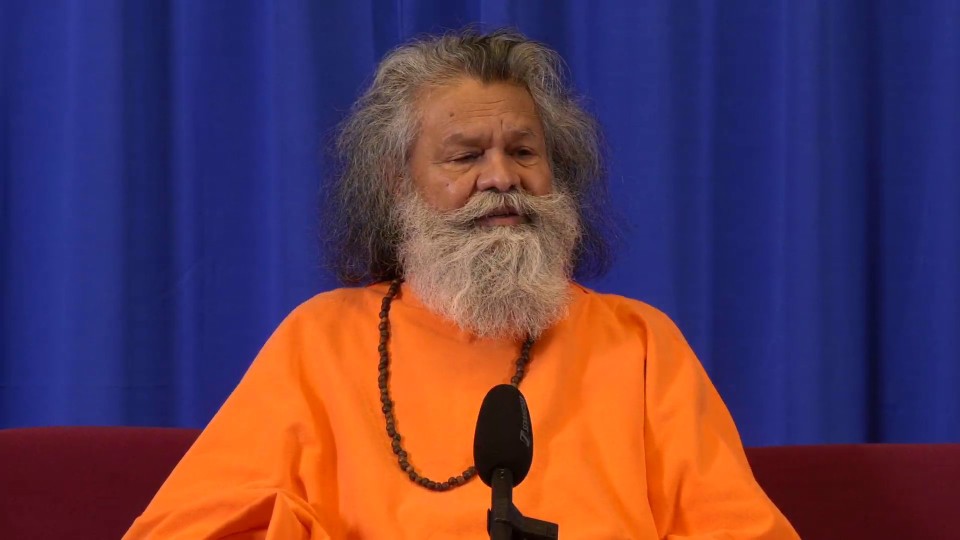
A satsang discourse on compassion, non-violence, and spiritual practice.
"All who are sitting with us are already in satsaṅg. 'Sat' is truth, peace, harmony, goodness—everything."
"Jīva jīva bhakṣate. Every animal eats animals, but we humans should not."
The lecturer addresses the gathering, explaining the essence of satsang as communion in truth. He uses metaphors of a ship and an airplane to illustrate the unity of all life, emphasizing that the soul (ātmā) is in every creature. The core teaching is a call for ahimsa (non-violence), urging humans to not kill other beings for food, contrasting human potential with animal nature. He discusses the challenges of Kali Yuga, advises against alcohol misuse, and clarifies protocols for offering garlands to guru photographs.
Filming location: Salzburg, Austria
The Eternal Dharma and the Tale of the Priest and the Dog
3:10 - 3:52 (42 min)
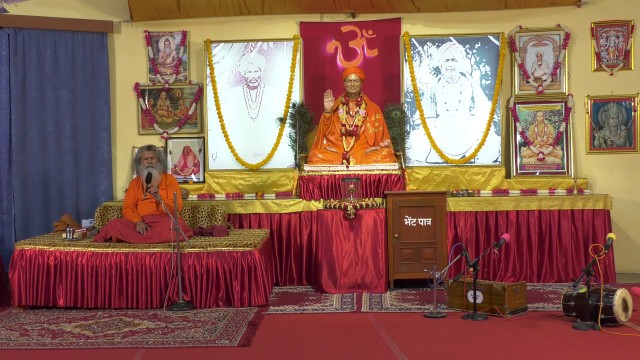
A spiritual discourse and parable on Sanātana Dharma and karma.
"You know, when I go to Australia, New Zealand, Fiji, etc., the people who come are all from Bhārat, India. All is that all."
"Bhagavān, God, who is God, keeps his people in such a way that God says, 'I am below you, but you children are in front of me, sit down.'"
The speaker delivers a wide-ranging discourse, touching on the origins and spread of Sanātana Dharma from India, interspersed with personal travel anecdotes and observations on other faiths. The talk culminates in a parable about a priest who unjustly beats a dog, leading to a divine court where the dog speaks, illustrating the karmic consequences of harming living beings.
Filming location: Jadan, Rajasthan, India
Around The World - Vegetarianism and top sport, Part 2
4:00 - 4:33 (33 min)
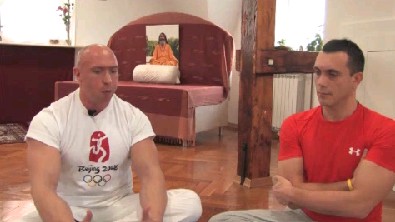
Vegetarianism and top sport at Sri Devpuriji Ashram Zagreb, Croatia, January 2011 Part 2 - Daniel Kaleb (Croatian champion in bodybuilding 2010) and Govind Puri (Ironman) talk about vegetarian diets in the sport.
Yoga is One
4:40 - 5:11 (31 min)
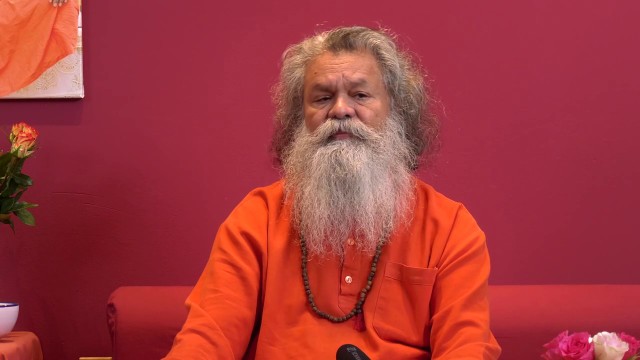
A spiritual talk on the principles and practice of yoga in daily life.
"Yoga is the yoga. It’s the yoga, that’s all then. There’s nothing else."
"Yoga in daily life... means we should practice every day. That’s all. And that is for everyone, whether they are Hindus, Muslims, Christians, or anybody."
The speaker addresses a group, holding up the system's foundational book. He emphasizes that true yoga requires daily practice according to these teachings, not just theoretical knowledge. He discusses the importance of ethical living, notably vegetarianism, criticizes the dilution of yoga by other systems, and urges a return to disciplined, foundational practice. The talk meanders through topics including dietary rules, the global spread of yoga, and personal anecdotes.
Filming location: Austria
Coming here is like coming to a Temple
5:15 - 5:30 (15 min)
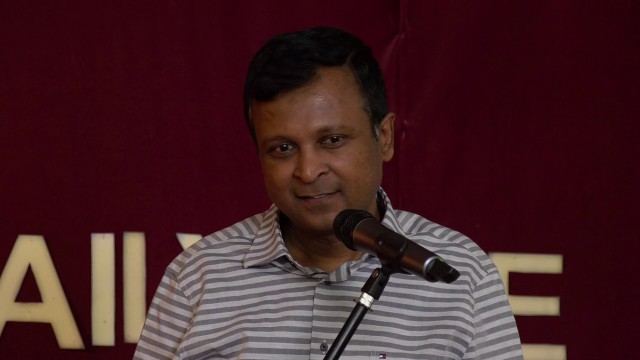
A speech by the Indian Ambassador to the Czech Republic at a satsang in the Yoga in Daily Life community.
"In India, we always like to go to a temple just to get that spiritual energy, to feel good. So we always like to go to the temple and charge our batteries."
"I may be an official ambassador, but Swāmījī is our permanent ambassador of India. He is spreading the message of love and humanity."
The ambassador expresses gratitude for the invitation and shares his personal experience of finding a spiritual "temple" within the Czech ashram. He discusses historical cultural connections, citing Czech Indology studies and the visit of Gurudev Rabindranath Tagore a century ago, drawing parallels to the current support for Swāmījī's Aum University project in India. He concludes by endorsing the planned temple construction at the ashram.
Filming location: Strilky, Czech Republic
Proper exercise is important to us
5:35 - 6:07 (32 min)
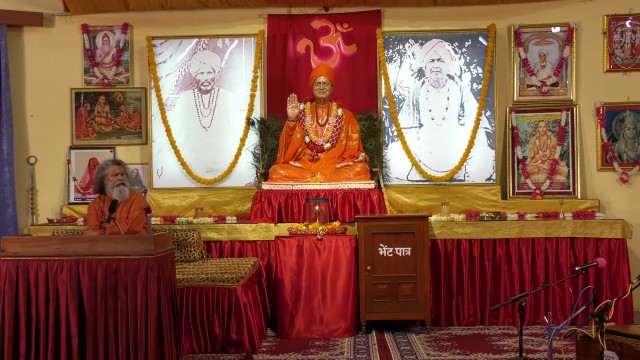
Evening satsang from Jadan Ashram, Rajsthan, India. Two things are important in our lives. What we eat and what we breathe. Yoga in Daily Life are practiced all over the world. Sarva Hitta asanas are good for everyone. Proper exercise is as important to us as food.
Self is happiness
6:15 - 6:53 (38 min)
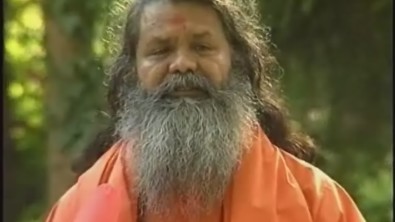
Lecture from Vep, Hungary
Bhajan singing from Vep
7:00 - 7:27 (27 min)
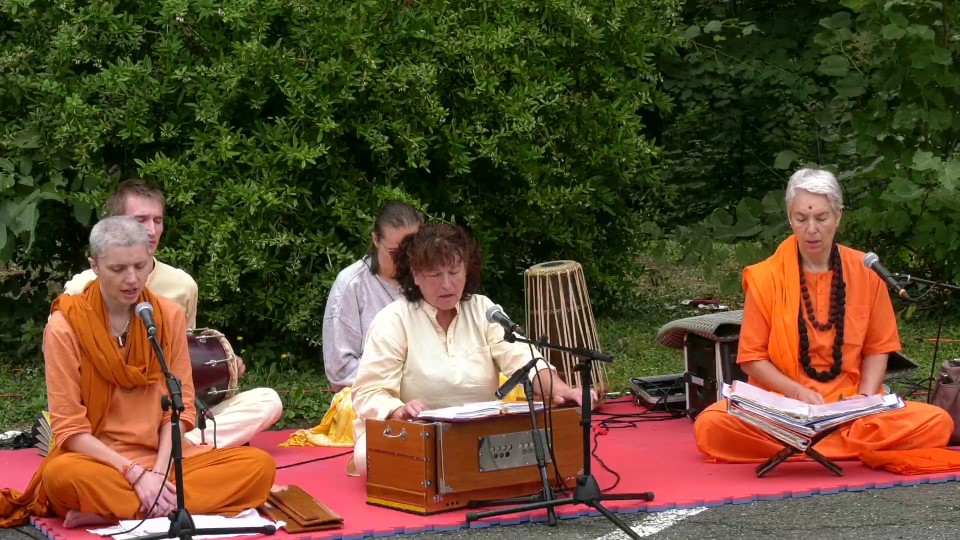
Morning satsang with Vishwaguruji from Vep, Hungary. Bhajan singing. Translation of the bhajan "Itna to karana Guruji"
Evening Satsang from Strilky
7:00 - 7:37 (37 min)
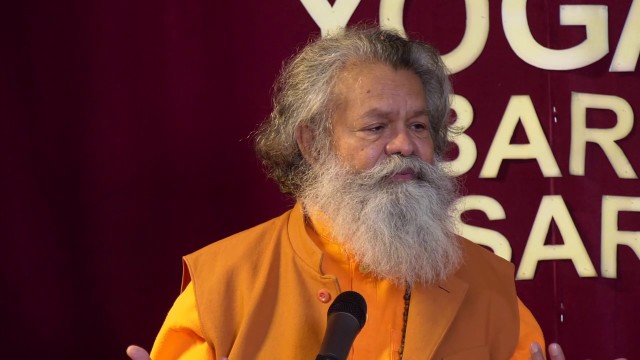
Evening satsang with Vishwaguruji from Strilky Ashram, Czech Republic.
The basics of ancient Indian philosophy
7:35 - 7:45 (10 min)
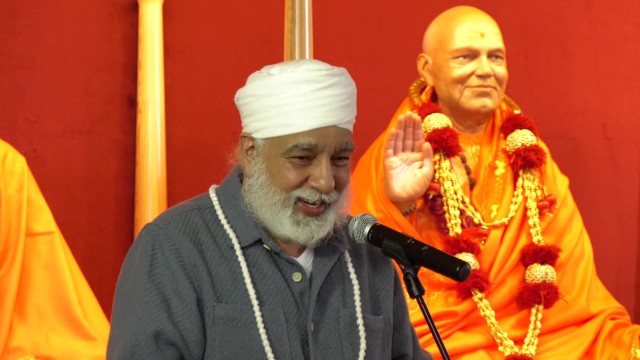
A guest lecture on Sanātana Dharma, Āyurveda, and the nature of wisdom versus science.
"Science is something that you discover. Science is where you discover wisdom; you don't discover this."
"So my question to my family this evening is that: what is that change? Because this is a dead organ. It's transplanted into a man or a woman who is alive. So why do the habits of this person change?"
Mr. Amasinghe, an Āyurveda specialist and devotee, addresses the gathering. He argues that Yoga and Āyurveda constitute a timeless wisdom, not a discoverable science, and laments the loss of historical evidence due to invasions. Using the analogy of an object that cannot be wet or burned, he points to the eternal Self (ātmā). He then discusses reported personality changes in organ transplant recipients, proposing an explanation based on the retention of a secondary prāṇa (dhānyamaya) in donated organs and the traditional necessity of cremation to release the final life force.
Filming location: Vienna, Austria
Bhajan singing from Jadan Ashram
7:50 - 8:16 (26 min)
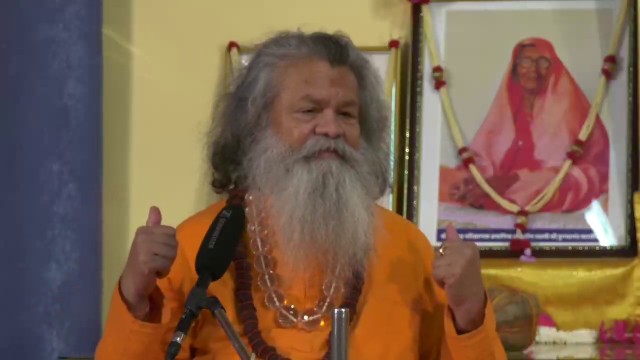
Evening satsang with Vishwaguruji from Jadan Ashram, Rajasthan, India. Bhajan singing. First is mother and then father. After that there are children. We worship our parents.
Bhajan Singing from from Strilky
8:00 - 8:52 (52 min)
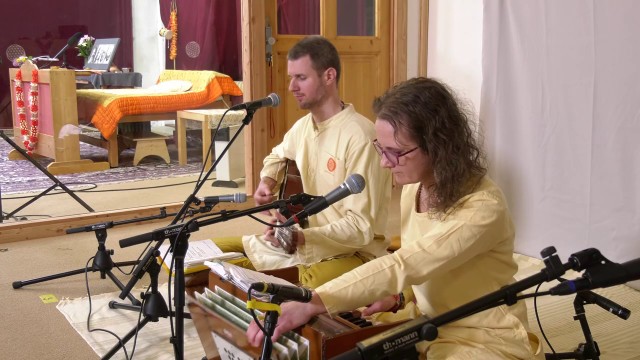
Evening satsang with Vishwaguruji from Strilky Ashram, Czech Republic.
Enjoy your life and don't eat meat
8:20 - 8:43 (23 min)
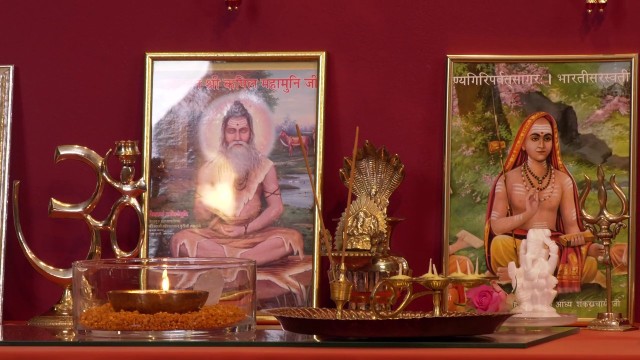
Evening satsang with Vishwaguruji from Villach, Austria. Vishwaguruji is remembering his first coming to Europe. At that time people eat meat here. Life began in the ocean and then on the earth. Every creature consists of five elements. When we are born our fists are closed. After death, we all go to one place. But it is better for us not to kill animals and not to eat meat.
We should be good for others
8:50 - 9:18 (28 min)
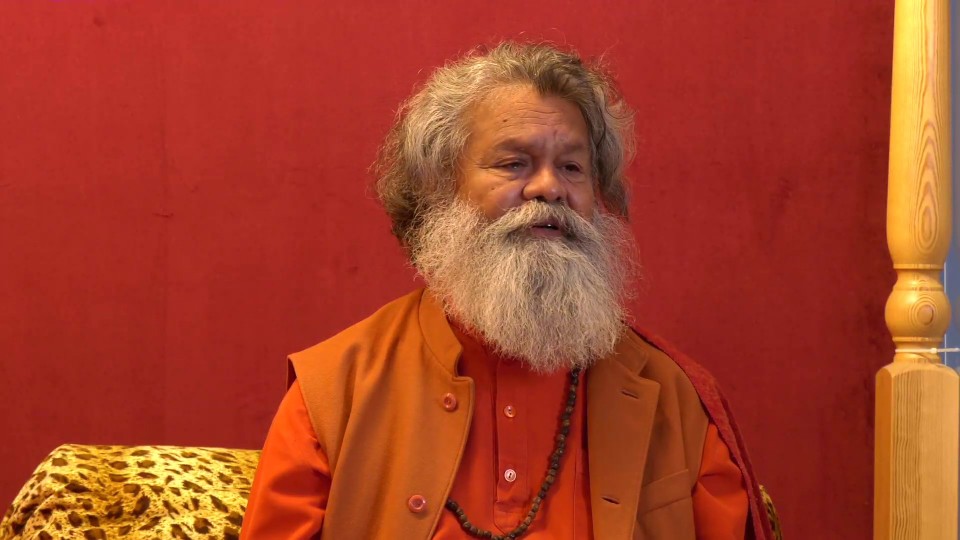
A spiritual discourse sharing a dream-like parable and reflections on compassion and unity.
"All people are still not coming, so that's why I'm just telling Sangoke."
"We all are here, and we should be, that we are one."
The speaker recounts a vivid, cold night in a forest with Dr. Radha, visiting a family who shelters various animals, illustrating selfless compassion. The narrative expands into a teaching on non-violence (ahimsa), the pitfalls of modern materialism, and the essence of yoga as unity and inner goodness in daily life. He emphasizes being "good for others," connecting this practice to the guidance of the Gurus.
Filming location: Austria
We must now go further
9:25 - 9:54 (29 min)
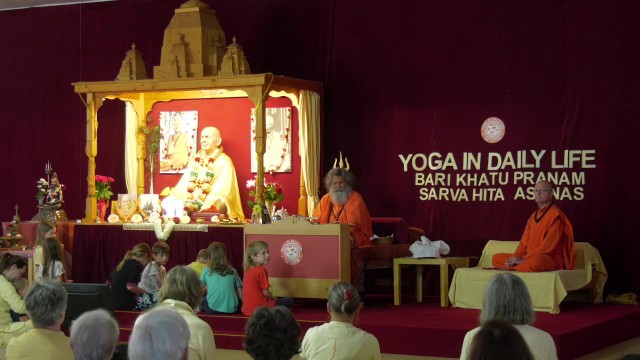
A spiritual talk on integrating practice into daily life and devotion.
"At home and everywhere, when we have the time, we should all be very nice. It is not only sitting and chanting 'om, om, om.' No, be very nice to your family."
"Until the last, until the last time, when you will be in your guru and in your sādhanā, then in the last minutes, then you will go as into Paramatmā."
A spiritual teacher addresses a gathering, emphasizing the importance of continuing yoga practice, prayer, and kindness within the family beyond retreats. The talk weaves personal anecdotes about the global yoga community during the pandemic and shares a story about the devoted passing of a disciple in America, illustrating the ideal of remaining in guru and sādhanā until the end.
Filming location: Strilky, Czech Republic
There are very much good people everywhere
10:00 - 10:26 (26 min)
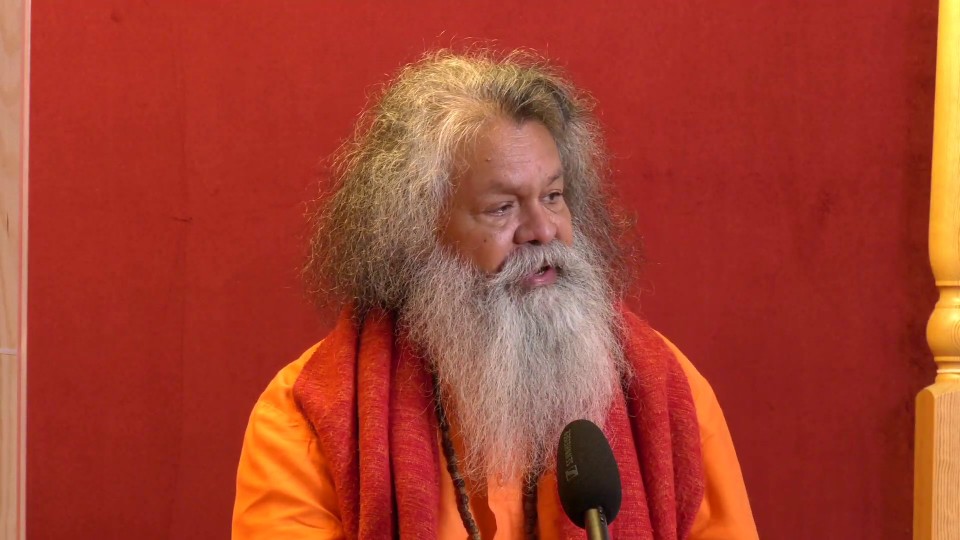
A spiritual teacher shares reflections on community, practice, and universal respect.
"One thing is for us: that we have only two things, that is God and you, yes. We are here for all of you."
"We tell them, 'Give them water. If they are hungry or something, you can give them food,' and respect them like this."
The speaker, likely a Swami, addresses a gathering, weaving personal anecdotes from travels in Europe with core principles of Sanātana Dharma. He emphasizes inclusivity, service, and maintaining the sanctity of the ashram space, while contemplating deep questions of peace, equality, and life's purpose. The talk circles themes of welcoming all visitors without imposing religious views.
Filming location: Vienna, Austria
Water Is Life
10:30 - 10:47 (17 min)
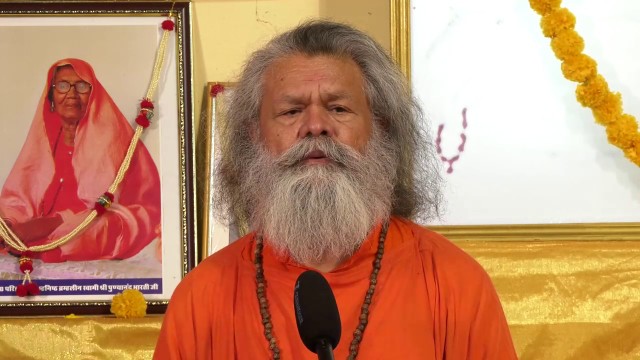
The message of Vishwaguruji on the occasion of Earth Day from Jadan, Rajasthan, India.
Bhajan evening from Strilky Ashram with Vishwaguruji
10:55 - 12:08 (73 min)
Evening satsang with Vishwaguruji from Strilky Ashram, Czech Republic. Bhajan singing. We worship Brahma Visnu Siva Krishna and Rukmani also. Bhajan singing again. Short meditation.
Don't eat meat and save spirituality
12:15 - 13:17 (62 min)
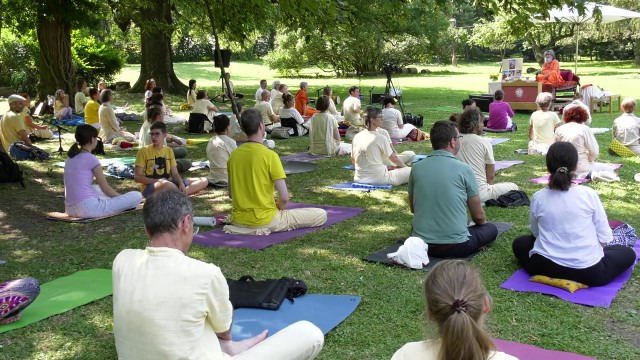
A satsang discourse on spiritual practice, purity, and the guru's grace, followed by personal testimonies from disciples.
"Our mantra, our singing: 'Om Namah Śrī Prabhu Dīpa Nārāyaṇa.' And we died. That means that we are really and really."
"Gurudev, without Guru, is nothing. But we have this Guru, which is that who is giving all for us, good for our body, everything."
Swami Maheshwarananda leads a satsang, beginning with chants and reflections on the guru's grace and the power of mantra at the time of death. He shares parables about communities and their practices, then discusses the importance of a pure, vegetarian lifestyle for health and yoga, linking modern ailments to diet. Two long-time disciples then share personal memories: one recounts Swamiji's first visits to Czechoslovakia and a planned book of memories, while another describes successfully applying yoga techniques with champion athletes.
Filming location: Strilky, Czech Republic
At the roots of our Parampara
13:25 - 14:57 (92 min)
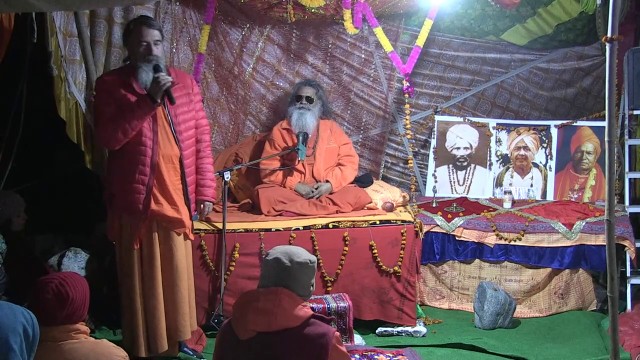
Evening satsang from Himalaya. Swami Dyaneswarpuri said that we should use our name Yoga in Daily Lide otherwise somebody else will do it. It is a big oportunity to visit in Badrinath with Vishwaguruji which is a very importana pilgrimage place in India. Sadwi shanti has felt love for her childhood towards mountens. She speaks about her journey in the Himalayas. She many times came back there and feel like her home. She tells her experiences in Sri Devpuriji's cave. Vishwaguruji's family had a brass plate which was special. There is difference between piano and harmonium. There are different customs when a girl or a boy is born in a willage. Vishwaguruji tells some stories from his childhood. Vishwaguruji has a rishi parampara in his family. Ravana was lerned but he has ego and desire. The story of Ravana and Vidhata Ravanas daughter and her husband. Furudev can change zhe desteny. Guru and disciple is one. In India there is living God. The story of Guruji and one of his discipe who w
We have to go on that path
15:05 - 16:02 (57 min)
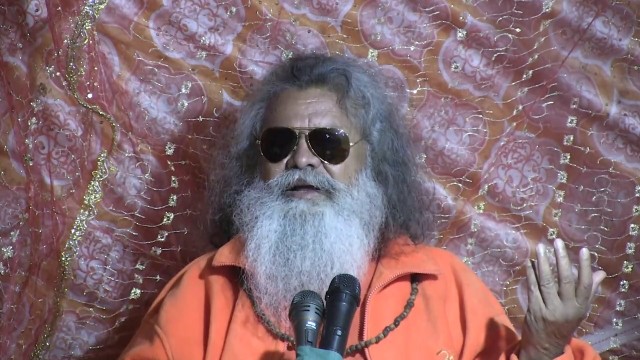
Evening satsang with Vishwaguruji from Himalaya. Sri Alakhpuriji Cave. Here is the place of peace and happiness. Alakhpuriji has given us his carana amrit. Bhagirati's disciple was Ganga and Alakhpuriji's disciple was Nanda Devi. Singing and explanation of bhajan or arati Sri Guru Atma Paramatma. Alakh means we can not write we can not speak about. In reality, Alakhpuruji created this arati through Sivanandji and he brought it to us Vishwaguruji. We have to follow Alkhpuriji's path with concentration. This path drives us to Brahma Loka. We are those souls who can give this blessing and energy. Singing bhajan Sabda Sanehi Mhari Jatra, Guru carano me, Manv Dhire Dhire and Sataguru Satasangi.
Do good things and be happy
16:10 - 16:56 (46 min)
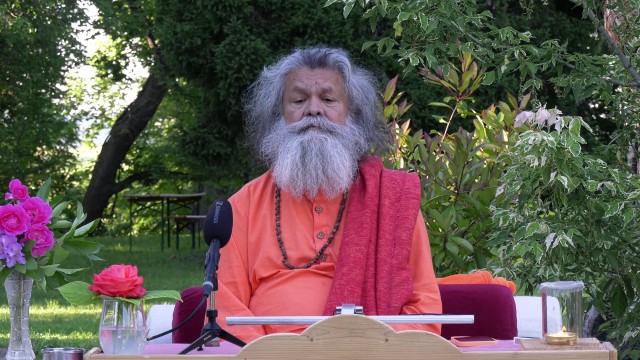
Evening satsang with Vishwaguruji from Strilky Ashram, Czech Republic. Bhajan singing. Bhajans are one of the best things in the world. When we sing good words come from our hearts and make other people happy. Sometimes people are happy also when they do bad things. The story of a sadhu and a tree. We should be peaceful and positive so we can go to God. Om Ashram is for the future generation. Half of iva was a woman and the other half was a man.
Practicing Khatu Pranam
17:00 - 17:44 (44 min)
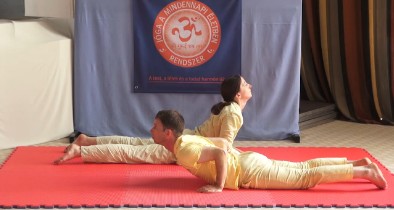
Satsang with Vishwaguruji from Vep, Hungary. Introduction to the second, extended version of Khatu Pranam.
Vishwaguruji's first visits to Czechoslovakia
17:50 - 18:43 (53 min)
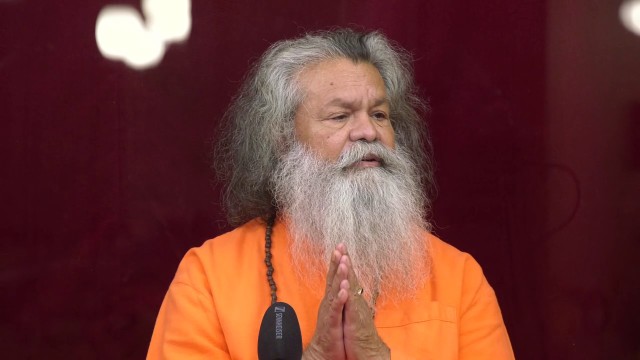
Evening satsang with Vishwaguruji from Strilky Ashram, Czech Republic. The first time I went to Czechoslovakia, it was still a communist country, and the devotees in Vienna were afraid of me and told me not to go. But I wanted to go and some people from Vienna went with me. At that time there was a lot of snow. People came from different countries, different religions and they asked me to teach them yoga. Three people came with me on all my trips, one of them was Lalita. They took the yoga forward, and that was the beginning of the development and expansion of the Yoga in Daily Life all over the world.
Never give up!
18:50 - 19:41 (51 min)
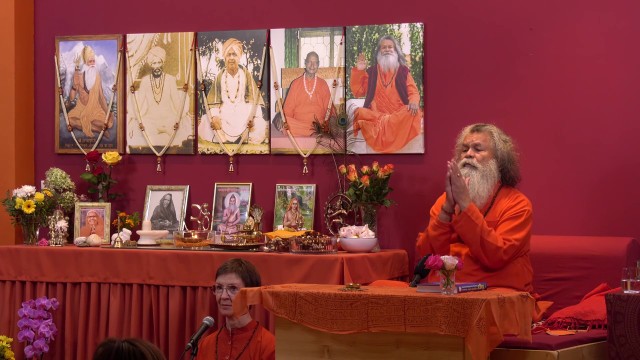
Evening satsang with Vishwaguruji from Villach, Austria. I remember something. Once Holy Guruji gave a lecture and told a story. More and more people and animals came into the little house to avoid the cold. The host preferred to go out himself so that people seeking shelter could go in. Eventually, miraculously, there was enough room for everyone. That's how we are today. The story of the little ant who wouldn't give up on his journey up the tree with food. We must practice the same way.
The basics of ancient Indian philosophy
19:45 - 19:55 (10 min)
A guest lecture on Sanātana Dharma, Āyurveda, and the nature of wisdom versus science.
"Science is something that you discover. Science is where you discover wisdom; you don't discover this."
"So my question to my family this evening is that: what is that change? Because this is a dead organ. It's transplanted into a man or a woman who is alive. So why do the habits of this person change?"
Mr. Amasinghe, an Āyurveda specialist and devotee, addresses the gathering. He argues that Yoga and Āyurveda constitute a timeless wisdom, not a discoverable science, and laments the loss of historical evidence due to invasions. Using the analogy of an object that cannot be wet or burned, he points to the eternal Self (ātmā). He then discusses reported personality changes in organ transplant recipients, proposing an explanation based on the retention of a secondary prāṇa (dhānyamaya) in donated organs and the traditional necessity of cremation to release the final life force.
Filming location: Vienna, Austria
The Essence of Yoga in Daily Life
20:00 - 20:35 (35 min)
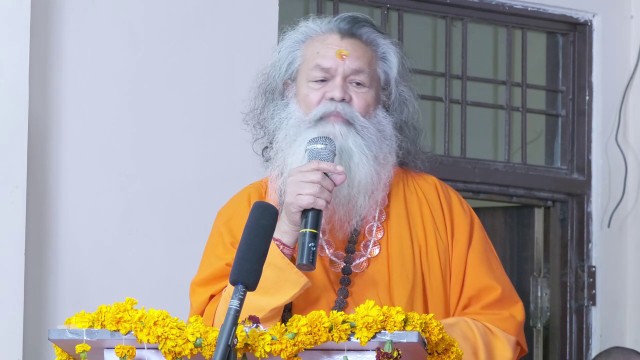
A spiritual discourse and award ceremony on integrating yoga and Sanātana Dharma into daily life.
"You should know why you have come to this world." "Yoga in daily life means in the whole world, in the whole world."
A speaker, referencing Gurudev and Swami Madhavanand, delivers a wide-ranging talk emphasizing the purpose of human life, the principles of yoga, and the protection of animals and Indian culture. He shares anecdotes about teaching yoga abroad, insists on vegetarianism for practitioners, and discusses the global spread of both meat-eating and veganism. The event includes the presentation of awards for promoting Indian culture and peace, with thanks given to organizing institutions like Apex University and the Yoga in Daily Life Foundation.
Filming location: Jaipur, Rajasthan, India
The opening of Om Ashram is coming soon
20:00 - 20:20 (20 min)
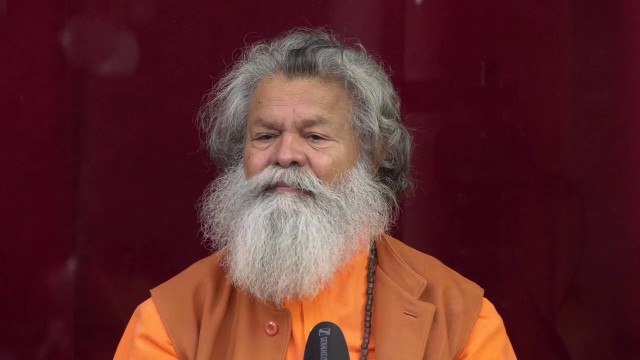
A spiritual teacher addresses disciples about creating a global remembrance for a sacred occasion.
"I wish to see if one of you, my dear disciples, can suggest what we might write or create."
"We will do something significant, and it will spread everywhere."
Swami Maheshwarananda (Gurudev) speaks to a gathering, reflecting on the purity of nature and the global success of the "Yoga in Daily Life" system. He announces the upcoming opening of the Om Ashram in Jadan, India, and invites his disciples to conceive a tangible symbol—like a mala—to commemorate this holy event worldwide, ensuring even those who cannot travel can share the moment. The talk emphasizes peace, unity, and collective participation, concluding with an instruction to meditate.
Filming location: Strilky, Czech Republic
Around the world - Inauguration Nandeshwar
20:40 - 20:45 (5 min)
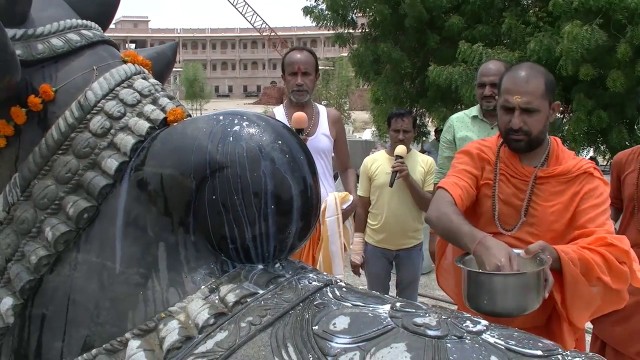
Arrival of Nandeshwar to Om Ashram. Jadan, Rajasthan, India.
Around the world - Bhajans from Kailash(1/3)
20:50 - 21:38 (48 min)
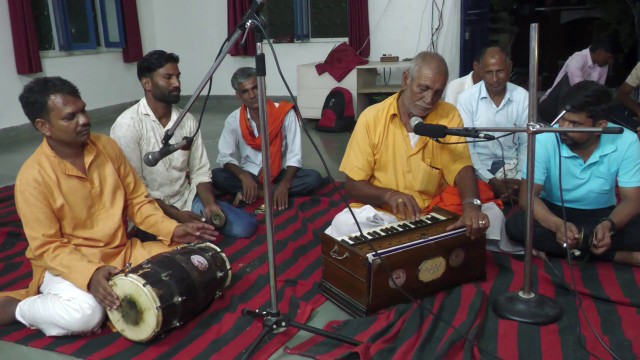
Evening satsang from Kaliash Ashram, Rajasthan, India. Bhajans on the occasion of Sri Devpuriji Mahasamadhi.
Do we reach?
21:40 - 21:58 (18 min)
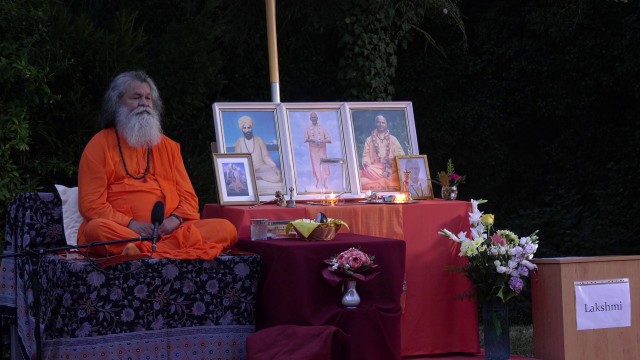
A spiritual discourse reflecting on human progress, simplicity, and the search for fulfillment.
"We were living very well. We were very happy because many people, on the farmer's side, had no telephone."
"Oh human, you will never be complete. You will never say, 'I am okay, finished.'"
The speaker, Swāmījī, recounts observations from life in Vienna, India, and America to contrast past communal simplicity with modern technological complexity. He questions whether material advancement leads to true achievement or contentment, suggesting it is a transient game. The talk concludes with an urging to look inward for lasting peace.
Filming location: Vép, Hungary
Vegetarian cooking lesson 10, Stir Fry Vegetables
22:00 - 22:12 (12 min)
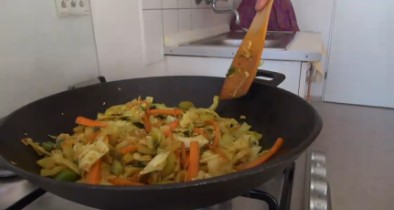
A culinary workshop on preparing stir-fried vegetables with Āyurvedic spices.
"You can also use sesame oil, which is good but has its own flavor that doesn't always pair well with these Asian spices."
"It’s important not to add salt immediately, as salt draws water out of the vegetables, causing them to steam rather than fry."
Jaydev, a cook from Croatia, leads a cooking lesson at a summer seminar, demonstrating how to make a quick vegetable stir-fry. He explains the technique of high-heat cooking and incorporates Āyurvedic principles, using ghee, asafoetida (hiṅg), and ginger-garlic for digestion. The tutorial covers vegetable preparation, the order of adding ingredients, and the final seasoning with soy sauce and Himalayan salt.
Filming location: Vép, Hungary
Concentration on the Heart
22:00 - 22:31 (31 min)
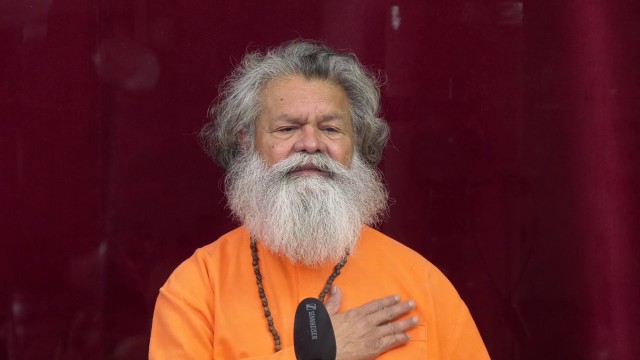
Morning program from Strilky Ashram, Czech Republic.
We should awake
22:20 - 23:02 (42 min)
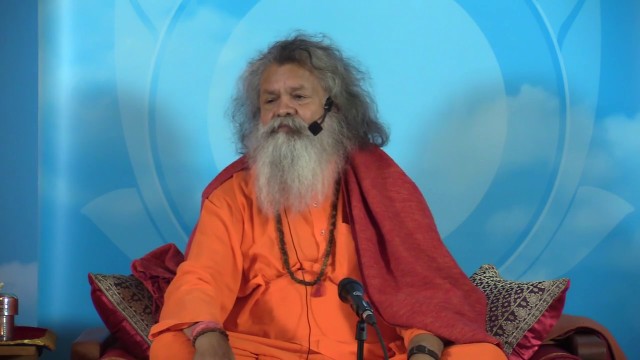
A spiritual discourse exploring states of consciousness, reality, and human identity.
"Sleeping is very great. They cannot sleep, not access this bill like that."
"And when we sleep, then there is no light, no thoughts, nothing. That time we became very quick."
A spiritual teacher delivers an extemporaneous talk, weaving together themes of deep sleep, awakening, and the nature of reality. He uses personal anecdotes, analogies of cars and airplanes, and references to lineage gurus like Mahāprabhujī to discuss the journey from individual awareness to a unified state. The talk emphasizes self-reminders like "I am awakened" and "I am human," and concludes by praising the purity of satsang.
Filming location: Brisbane, Australia
Be peaceful and harmonious
23:10 - 0:03 (53 min)
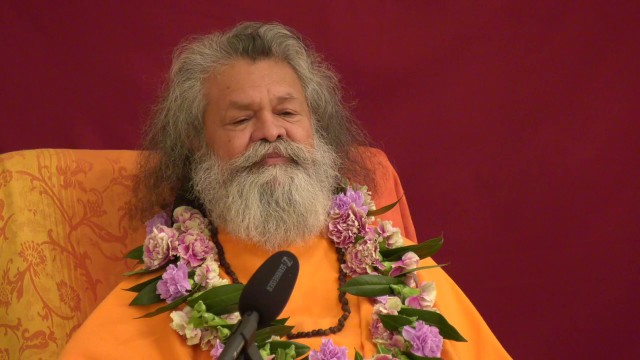
A spiritual discourse on universal oneness and the sacredness of all life.
"God is only one. Our physical five elements—in that we also have only these elements."
"Holi Guruji said, 'One in all and all in one.' At that time, neither Austrians, nor Croatians, nor Americans, nor Indians—all of this will become one."
Swami Avatarpuri, reflecting on his early days in Vienna and Linz, delivers a satsang exploring the unity underlying all religions and life forms. He shares parables about birds and monkeys, observes the innate wisdom in animals like ants, and laments human conflict. The talk emphasizes that divine essence transcends names and forms, urging purity, forgiveness, and seeing the divine in every child. He concludes with a meditation on rivers and purification.
Filming location: Linz, Austria
American
Australian