
European
Live as a Human
0:20 - 0:54 (34 min)
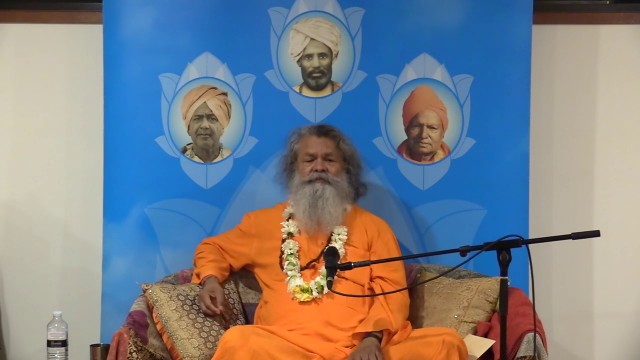
A spiritual discourse on non-violence, divine oneness, and the sanctity of all life.
"We are like other Swamis; we are the same. But we are working for everyone, every time, everywhere."
"Jīvā means life, life, and in that life there are all creatures: a little ant, this little ant, and humans, and all are all equal, what is living, living."
A Swami addresses a gathering, weaving together cosmology, ethics, and personal anecdote. He speaks of Bhagavān Śiva as the primordial source and emphasizes the fundamental equality of all life (Jīva). The core teaching is the practice of ahimsa (non-violence), advocating for a vegan lifestyle and abstaining from alcohol, framed as a recognition of our shared humanity. He instructs listeners to begin each day with the affirmation "I am human" to cultivate this awareness, and concludes with a bhajan.
Filming location: Gold Coast, Australia
Proper practising of Bhramari
1:00 - 1:00 (0 min)
Morning program with Vishwaguruji from Brisbane, Australia. Moodiji brought India and the whole world towards spirituality. We should practise bhramari regularly but not too much at one time. Explanation and demonstration of different bhramari pranayama technics.
We can reach God
1:45 - 2:22 (37 min)
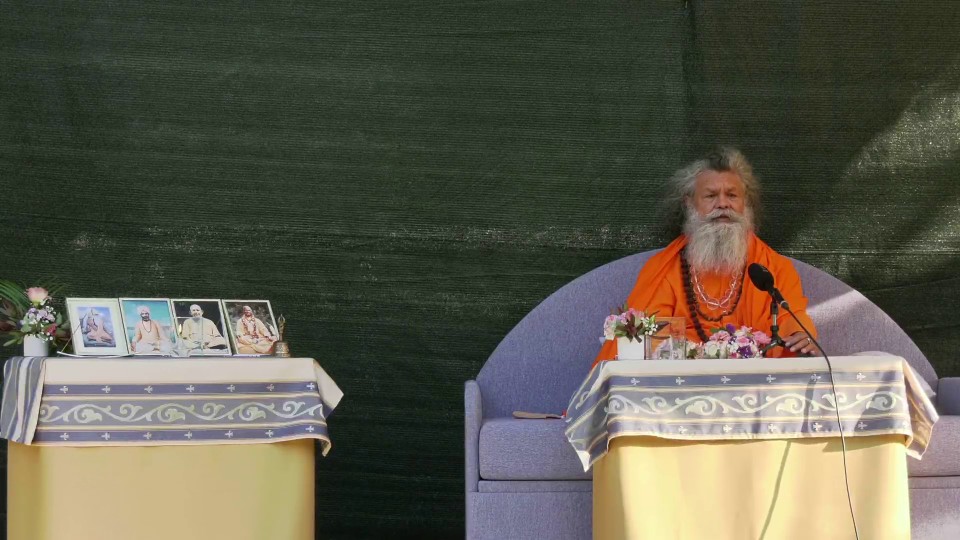
A spiritual discourse on purity, humility, and non-duality, using the metaphor of the ocean and the raindrop.
"One drop comes in our hand... And when this one drop drips into the ocean, everything becomes only the ocean."
"So we have to come ourselves humble, good, pure, and like a brother, like a sister, like a friend, and so on."
A spiritual teacher addresses a gathering, offering a meandering talk that blends creation narratives, the symbolism of Shiva and Vishnu, and the core analogy of the individual as a pure drop merging with the divine ocean. He emphasizes the need for humility in spiritual practice, warns against ego, and concludes with reflections on the equality of all at death, beyond religious identity.
Filming location: Slovenia
Who and how can become a saint
2:30 - 3:04 (34 min)
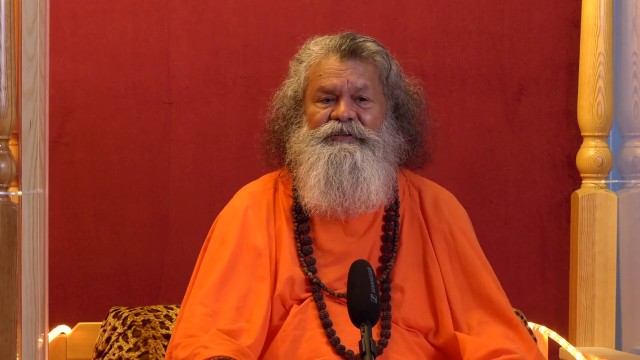
A spiritual discourse on the nature of the guru's grace and discipleship, using metaphorical teachings.
"When a single draft comes, if we can catch that one draft, we are already in the ocean." "Once you have that guru, a real guru, then you, we all will be there."
The teacher, returning after some time, delivers a satsang weaving together parables and metaphors—including the lifecycle of a wasp (Brahmari), the process of childbirth, and a story about a dog losing its chapati—to illustrate the elusive nature of true spiritual attainment and the singular, irrevocable bond with an authentic guru. He emphasizes purity, complete surrender, and warns against the distracted mind that seeks many things.
Filming location: Vienna, Austria
We are the Ocean
3:10 - 4:17 (67 min)
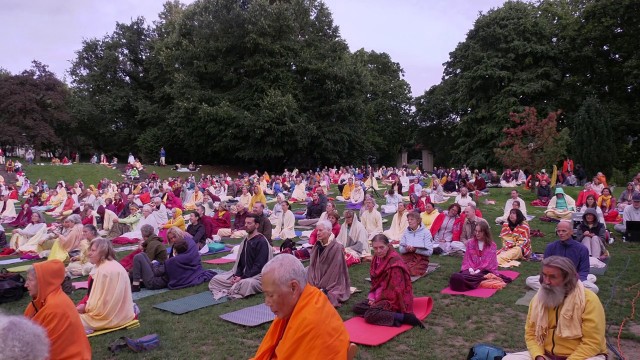
Evening satsang with Vishwaguruji from Strilky Ashram, Czech Republic. We came here from many countries to practice and we did a very good job in this beautiful place, our Ashram. I don't know who will be my successor. You know, Guru is Guru. Holy Guruji has so much love for me. He always supported me. You are all one in my heart. The humidity rises from the sea, we are like the ocean. Now close your eyes and take time in your hearts.
Bhramari Pranayama
4:25 - 5:06 (41 min)
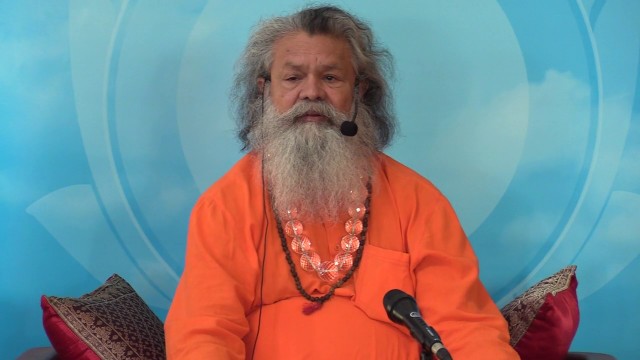
Evening satsang with Vishwaguruji from Brisbane Ashram, Australia.
Who and how can become a saint
5:10 - 5:44 (34 min)
A spiritual discourse on the nature of the guru's grace and discipleship, using metaphorical teachings.
"When a single draft comes, if we can catch that one draft, we are already in the ocean." "Once you have that guru, a real guru, then you, we all will be there."
The teacher, returning after some time, delivers a satsang weaving together parables and metaphors—including the lifecycle of a wasp (Brahmari), the process of childbirth, and a story about a dog losing its chapati—to illustrate the elusive nature of true spiritual attainment and the singular, irrevocable bond with an authentic guru. He emphasizes purity, complete surrender, and warns against the distracted mind that seeks many things.
Filming location: Vienna, Austria
Bhajan singing from Vep
5:50 - 6:32 (42 min)
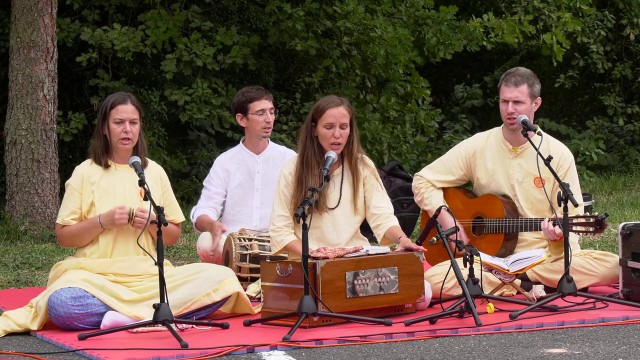
Morning program from Vep, Hungary. Singing bhajans in the presence of Gurudev.
Karma Yoga
6:40 - 7:14 (34 min)
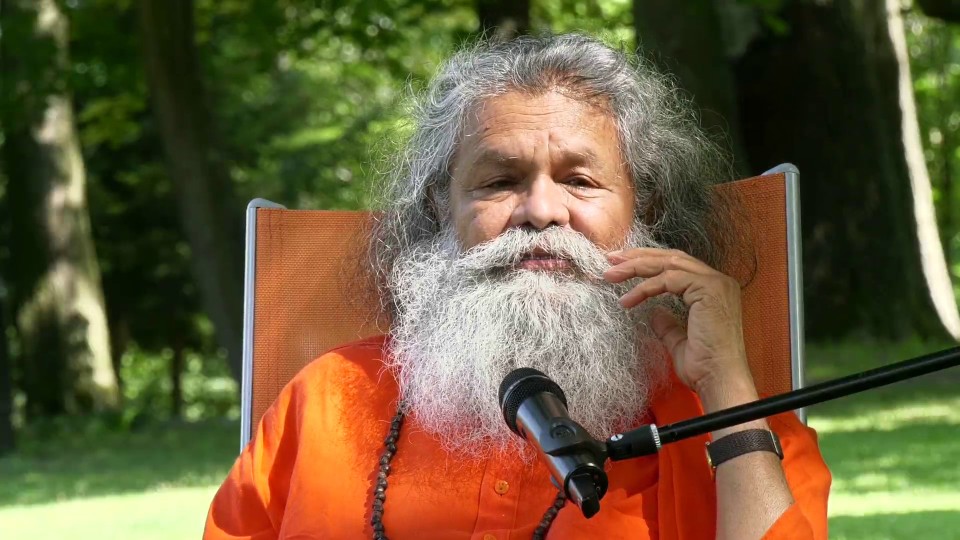
Morning satsang with Vishwaguruji from Strilky Ashram, Czech Republic. The Bhagavad Gita says that yoga is fulfilled through work. Doing something good or bad is also karma. God has given us to be born in this human form. We have to act in such a way that we attain cosmic light. Practising Asana and Bhramari pranayama.
Don't kill and don't eat meat
7:20 - 8:06 (46 min)
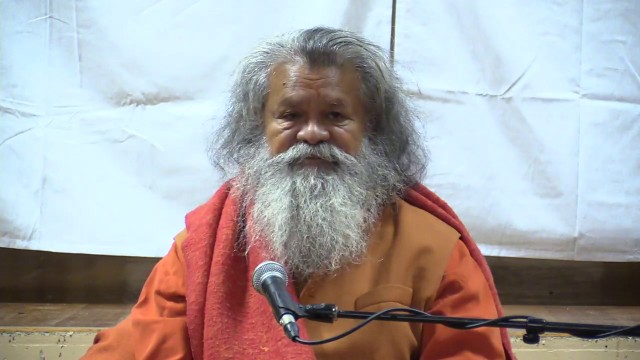
Evening satsang with Vishwaguruji from Launceston. Tasmania, Australia. We can become really human if we don't kill any creatures. Ant and elephant are different only in their bodies. Many years ago people generally didn't eat meat not like now. In China, people eat cats and they kill them very cruelly. Be peaceful and happy eating good but not meat and eggs. We should say every morning that "I am human" and we should feel the greatness of our Earth and water. The story of a blind man in a room that had only one door. Singing and explaining the bhajan Prabhu mere avaguna cit na dharo.
We should awake
8:10 - 8:52 (42 min)
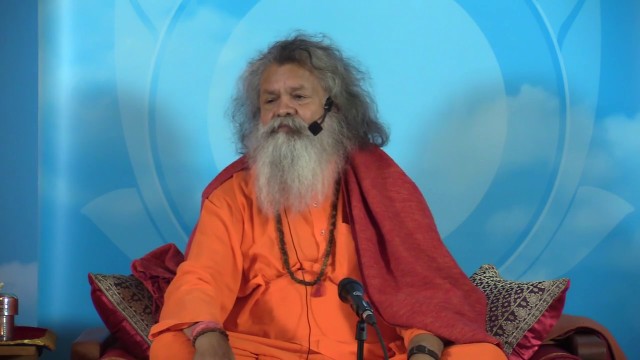
A spiritual discourse exploring states of consciousness, reality, and human identity.
"Sleeping is very great. They cannot sleep, not access this bill like that."
"And when we sleep, then there is no light, no thoughts, nothing. That time we became very quick."
A spiritual teacher delivers an extemporaneous talk, weaving together themes of deep sleep, awakening, and the nature of reality. He uses personal anecdotes, analogies of cars and airplanes, and references to lineage gurus like Mahāprabhujī to discuss the journey from individual awareness to a unified state. The talk emphasizes self-reminders like "I am awakened" and "I am human," and concludes by praising the purity of satsang.
Filming location: Brisbane, Australia
One day it will come what you want
9:00 - 9:38 (38 min)
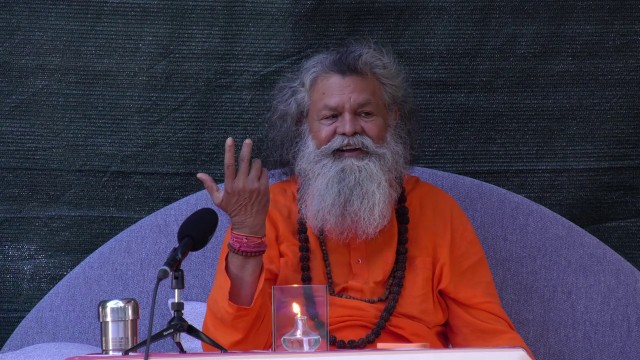
A spiritual discourse reflecting on tradition, modernity, and human relationships.
"All year, they have flowers somewhere, but they do not break them."
"Jīva jīva bhakṣate. Jīva means life, so life of the life of the Jīva, Jīva, Bhakṣate. And Bhakṣate means eating, killing and eating."
Swami Ji speaks informally, weaving together observations on strict Jain and traditional Hindu practices—like non-violence and monastic travel restrictions—with critiques of modern life. He uses the phrase "Jīva jīva bhakṣate" (life feeds on life) to bridge topics from vegetarianism to marital discord, illustrating his points with a lengthy parable about a married couple's lifelong misunderstanding over bread. The talk emphasizes patience, communication, and maintaining core values amidst change.
Filming location: Slovenia
How our fate brings us to yoga
9:45 - 10:50 (65 min)
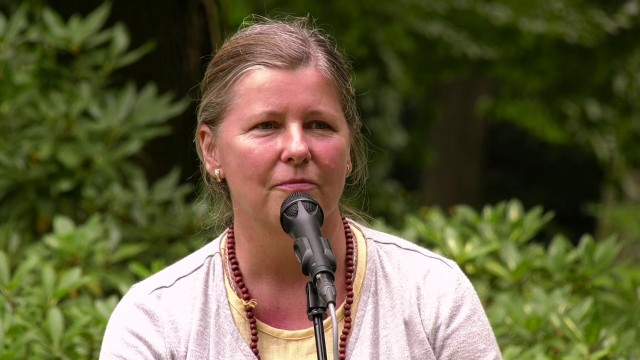
A personal narrative shared on a guru's birthday, detailing a spiritual journey from Moravia to America and meeting the guru.
"I never liked yoga and was never interested in it. I did not even know what yoga was when I was 20."
"With the Guru Kṛpā, with the blessing of my Gurudev and meeting him, it was almost as if he had awoken some knowledge from the past."
Swami Amrit Sagar, at the request of Vishwa Guruji, recounts her life path. She describes her early life in Moravia, an unplanned move to America, a career on Wall Street, and a debilitating spinal injury that led her to yoga. She narrates the pivotal moment of discovering a book online, which led her to fly to New Zealand to meet Vishwa Guruji, receive a mantra, and eventually open an ashram in San Francisco. She reflects on teaching Yoga in Daily Life in American culture, the impact of the pandemic, and the transformative power of spiritual practice in daily life.
Filming location: Strilky, Czech Republic
Rama and Hanuman
10:55 - 12:11 (76 min)
A spiritual discourse on the significance of the full moon, the science of fasting, and a teaching story about Hanuman.
"The full moon is a symbol of completeness. Pūrṇamadaḥ, pūrṇamidaṃ... We are Pūrṇa, perfect."
"One poet said, 'The thread of love doesn't break with some misunderstanding. When it is broken, the thread you can't join anymore back.'"
The speaker begins by explaining the moon's influence on nature and human physiology, advocating for fasting on full moon days for spiritual and physical health, including specific dietary recommendations. The talk then transitions into a detailed narrative from the Ramayana, focusing on Hanuman's unwavering devotion and a lesson on ego. The story describes how Sita's moment of doubt and Hanuman's subsequent pride were gently corrected by Lord Rama, culminating in the revelation of Rama and Sita residing in Hanuman's heart.
Filming location: Vienna, Austria
Diwali Satsang with Vishwaguruji
12:15 - 13:30 (75 min)
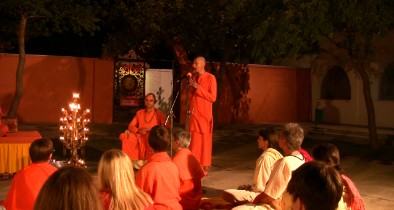
Evening satsang from Jadan Ashram, Rajasthan, India.
Bhagwan Sri Deep Narayan Mahaprabhuji
13:35 - 14:42 (67 min)
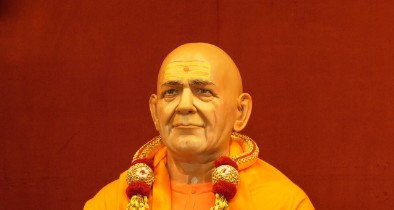
Mahaprabhuji's Mahasamadhi anniversary satsang. Singing and translation of the bhajan, 'Prakash Punj Amrita Ke Sagar' - written by Holy Guruji about His master, Bhagwan Sri Deep Narayan Mahaprabhuji. Brahman is the everlasting and eternal Light. Its Saguna, form, is the most important for discilples. Because of negative thinking and impurities, some are not able to realize this. Vishwaguruji explains the mantra, Om Prabhu Deep Niranjan Saba Dukha Banjan, and tells his experineces with Sri Mahaprabhuji.
The way to the Light
14:50 - 15:54 (64 min)
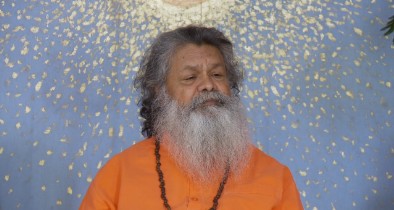
A spiritual discourse on the essence and power of satsaṅg, or holy company.
"Sat means truth. That truth is what we call brahma satya, jagat mithyā. The real reality and truth is Brahman, and this world is only temporary."
"Through human life, you can get rid of all bad karmas and attain realization to become free, to return to that original light."
Swami Maheshwarananda delivers an evening talk, defining satsaṅg as the company of truth and spiritual knowledge. He explains the journey of the soul through various births, the role of human intellect and karma, and the critical importance of positive association and education in shaping one's spiritual destiny. Using parables and humor, he contrasts satsaṅg with negative company (kuśaṅga), warning against temptations like addiction. The talk concludes with a call for good resolutions and blessings during the Christmas season.
Filming location: Slovenia
Practising third level of Yoga in Daily Life System
16:00 - 17:38 (98 min)
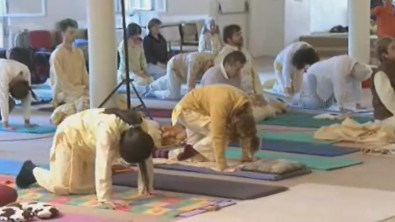
Morning practising. Third part of the System" Yoga in Daily Life" from Mahaprabhudeep Ashram, Strilky, Czech Republic
It is a blessing to be always together, Alexandria
17:45 - 18:24 (39 min)
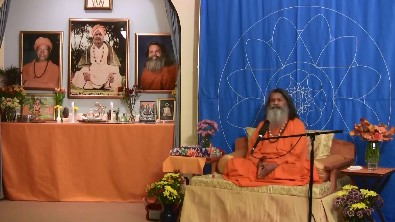
A satsang discourse on love, greed, and spiritual connection.
"Love brings together; ignorance and hate divide."
"The seed of spirituality is planted in the human heart, but unfortunately, the seed of greed is planted in the human brain."
The lecturer addresses devotees, emphasizing that true togetherness is based on love, not physical proximity. He shares a poignant story from an old film about an ox's longing to return to its loving owner, illustrating the soul's yearning for connection. He contrasts this pure love with the destructive force of human greed and ego, using the story of King Kamsa from the Mahabharata as a cautionary tale. The talk concludes that cultivating spiritual love leads to God, while greed leads to destruction.
Filming location: USA
Keep the light
18:30 - 19:32 (62 min)
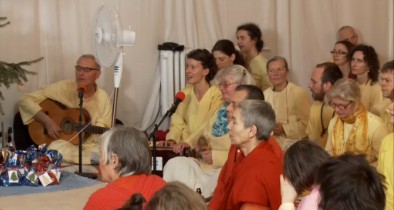
Evening Satsang with Swamiji from Strilky, Czech Republic. In order to remove negative qualities and cultivate positive ones, we should keep the light in our heart. Light gives us bright, positive thoughts. We can find the way in the shelter of Gurudev.
Diwali festival
19:40 - 20:18 (38 min)
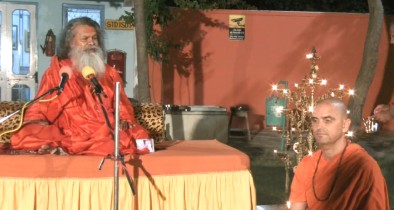
Evening satsang with Vishwaguruji from Jadan Ashram, Rajasthan, India. India is holy. India should not lose its culture and traditions. Diwali is a very special time to do something for everyone around us and start the new year in a good way.
The Blessings of Seva and Spiritual Resilience
20:25 - 21:01 (36 min)
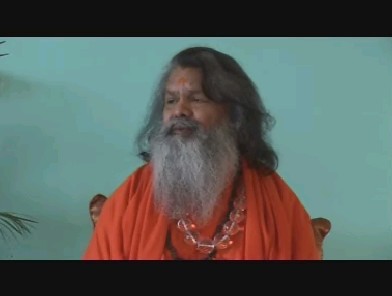
A satsang discourse on the blessings of selfless service (seva) and spiritual resilience.
"When you are doing seva, you are not doing it for others, but for yourself, because you will get it back a thousand times."
"When the comfortable path was, I just walked beside you. But when the thorny, stony way came, I walked and carried you in the hollow of my palm."
The lecturer addresses a global audience, beginning with observations on daylight saving time before focusing on the holistic benefits of a yogic life. He explains the principle of karma yoga and seva, emphasizing that selfless work is a direct path to divinity and personal spiritual growth. Using parables, including one of a man walking with God through difficult terrain, he teaches that divine support is constant, especially during hardship. He shares an anecdote about Holy Gurujī being instructed to travel and teach, illustrating the lesson of complete trust in the guru.
Filming location: Sydney, Australia
Keep your energies clean
21:05 - 21:59 (54 min)
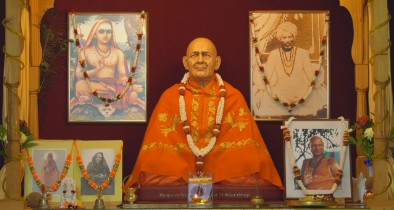
A concluding satsang on the five bodies (kośas) and destiny, following a yoga retreat.
"On every grain is written the name of the one who will eat it."
"Destiny is playing with us. Nothing we can do, and we do not have free choice. What happened will happen."
Swami Anandpuri addresses attendees at the end of a multi-week Anuṣṭhāna retreat. He emphasizes the need for daily yoga practice, likening it to athletic training. The core teaching explores the five bodies, starting with the physical Annamaya Kośa (body of nourishment). He illustrates the concept of pre-ordained destiny (kismet) with two detailed stories: one about a grain of rice destined for a king, and another about a chickpea destined for a chicken. He briefly introduces the other four bodies—Prāṇamaya (energy), Manomaya (mind), Vijñānamaya (intellect), and Ānandamaya (bliss)—stating he will elaborate on the latter two in a future seminar. Practical advice is given on respecting food, performing āsanas with understanding, and choosing natural materials for clothing and hair to benefit the energy body.
Filming location: Strilky, Czech Republic
We have to become united in Oneness
22:05 - 23:22 (77 min)
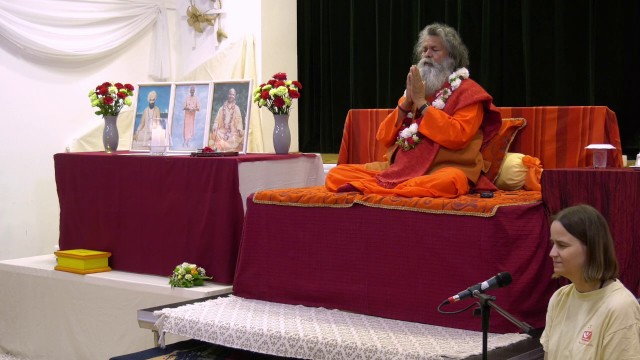
Evening program with Vishwaguruji from Szeged, Hungary. We have our destiny in which it is written when and where we are. The story of a boat in the ocean and a bird. It is in our fate that we want to reach God. We are like a bird coming and going. Life is only temporary. Every living creature has its fate and life. Become one with all. At the end, a drop of water arrives at the ocean and becomes one with it. When we die, our soul goes from the body, which is like a stone falling down. Some of us go towards the pure Light and others come back again. There is only one door when we leave our bodies. Nowadays children don't accept the advice of their parents. Don't kill anyone and don't speak negative words. Practising AUM chanting, bhramari pranayama and some simple asanas.
Mahaprabhuji's Birthday Satsang
23:30 - 0:09 (39 min)
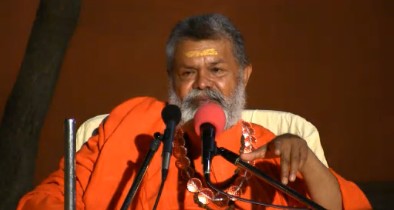
A spiritual discourse on Diwali, the lunar calendar, and the principle of the Guru.
"In Vedic culture, the heavens and astrology are correctly correlated according to the moon, not the sun."
"Guru is known as Nityāvatāra... 'Gu' means darkness, and 'ru' means light."
A spiritual teacher delivers a talk connecting the Diwali festival to lunar cycles and the nature of the mind. He explains the Vedic cosmological principles of Brahmā, Viṣṇu, Śiva, and Śakti, culminating in the supreme role of the Guru (Gurur Brahmā, Gurur Viṣṇu...). He stresses the importance of the disciple's faith and obedience to the Guru's word (vākya) as the true path to liberation, illustrating points with stories of Bhagavān Śrī Dīp Nārāyaṇa Mahāprabhujī and other masters.
Filming location: Jadan, Rajasthan, India
American
Australian