
European
The way Gurudev is teaching
0:00 - 0:52 (52 min)
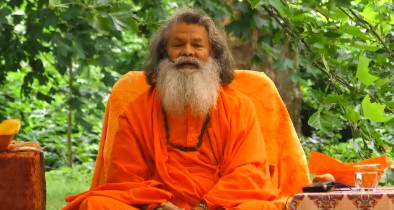
Morning satsang from Summer Retreat in Vep, Hungary. Listening to this lecture by Vishwaguruji we come to know the way a Master helps the Atma of a disciple on their journey towards the Light. Surya Nadi plays an important role in spiritual development.
Examples of yogic power and awareness
1:00 - 1:54 (54 min)
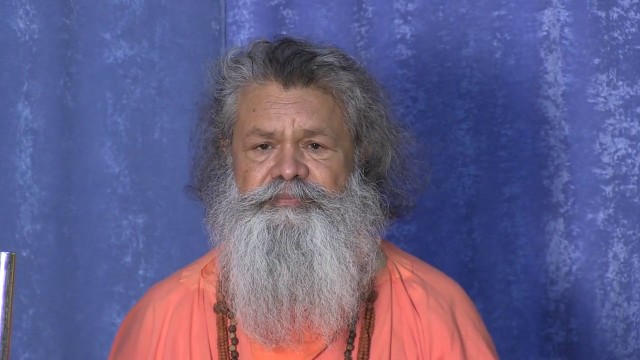
Evening satsang with Vishwaguruji from Jadan Ashram, Rajasthan, India. Vishwaguruji explains the origin of the name Holy Guruji. One has to be very conscious, aware like the driver. Yogi needs awareness. We should see the whole Earth like unity. The story of Mahaprabhuji, and the hunter, who wants to kill a bird.
Suffering And Sweetness
2:00 - 2:33 (33 min)
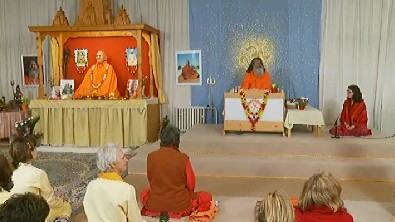
A spiritual discourse on the essence of all teachings, delivered on the occasion of Mahashivaratri.
"All beings desire happiness. So, all entities in this world, including people, have only two wishes: the attainment of happiness and freedom from troubles."
"Sukha and Duhkha are within us. Try to sweep out all the negative vrittis; then you will become free from Duhkha."
A speaker addresses the satsang gathering, exploring the fundamental human pursuit of happiness (Sukha) and freedom from sorrow (Duhkha). He explains that these states originate from within, cultivated by our positive or negative thoughts and actions. The talk weaves together teachings on fear, violence (himsa), non-violence (ahimsa), and the ultimate goal of merging individual consciousness with the divine, using the metaphor of a drop returning to the ocean. He references the wisdom of Satguru Dev and concludes with practical instructions for the upcoming Shivaratri observance.
Filming location: Strilky, Czech Republic
The effect of the Moon to our life
2:40 - 2:56 (16 min)
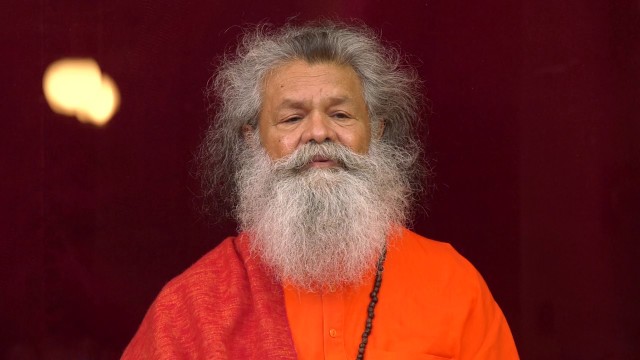
Evening satsang with Vishwaguruji from Strilky Ashram, Czech Republic. This is the day of water and forests and for crops because of the moving of the Moon. Moon is changing very much in our life. It balances the Earth. In a natural way, we can't eat the same fruit for the whole year. Moon has a stronger effect on us like Sun. In this time we can change our feelings and energies. Varaha brought the Earth out from the water. Swami Mataji sang one bhajan about Guru and Guru kripa.
What Incarnation means
3:00 - 3:54 (54 min)
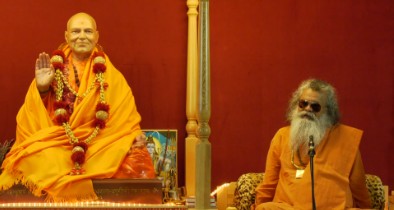
A spiritual discourse on the nature of the soul, creation, and Śiva.
"There is one who is not born from a mother and not from a father. Only that one can be called an incarnation, and that one is called Svayambhū."
"We all are one. It doesn't matter, the human or reptilian or the birds or any. There is a soul, jīva. Life, they are all one."
The lecturer speaks at the Yogandī Life center in Vienna on the anniversary of Gurudev Swami Madhavānandajī. He contemplates the concept of incarnation, explaining Śiva as the unmanifest Svayambhū who willed multiplicity into being through the five elements. Using the metaphor of the ocean and water cycle, he describes the singular soul within all life forms, discusses karma, and emphasizes the power of speech through a parable about the tongue and teeth.
Filming location: Vienna, Austria
Guruji is Divine Light
4:00 - 4:36 (36 min)
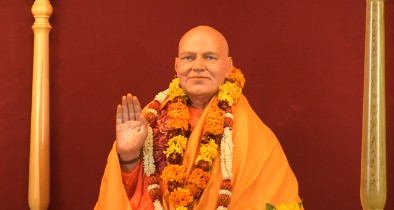
A personal discourse on Guru Bhakti, shared on the incarnation day of the speaker's master.
"The meaning is the same, but the person is the same while the inner being is different. So, it is holy Gurujī's divine incarnation."
"Guru Bhakti is the highest, greatest, divinest, and most successful... All knowledge comes through Guru Kṛpā."
Swami Maheshwarananda (Swamiji) addresses a gathering, reflecting on his first divine encounter with his Guru as a child and the profound training that followed. He describes the transformative power of the Guru's love and protection, illustrating the principles of Guru Bhakti with personal stories, including his Guru's strict discipline, the transfer of spiritual wisdom, and visionary experiences. He concludes with an account of his Guru's passing and the enduring presence of his blessings.
Filming location: Vienna, Austria
We Cannot Deny Guru Principle
4:42 - 5:20 (38 min)
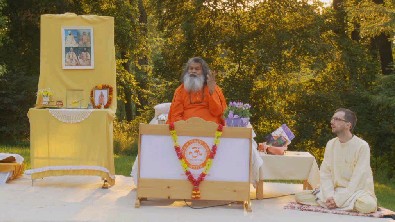
A discourse explaining the spiritual significance of Guru Pūrṇimā.
"There are two kinds of explanation about Guru Pūrṇimā. The first is that when, for the first time, the Earth emerged from the water, and the first light of the sun and moon was experienced by this earth... that was Guru Pūrṇimā."
"Secondly, Guru Pūrṇimā is generally known and explained as the birthday or incarnation of Bhagavān Vedavyāsa."
The speaker, Swami Mādhavānand, elucidates the dual origins of the festival, from a cosmic event to the birth of the sage Vedavyāsa who compiled the Vedas. He emphasizes the indispensable guru principle (guru paramparā), linking it to all teachers and the transmission of wisdom (Śruti and Smṛti). Through anecdotes and teachings, he discusses the qualities of a true guru, the nature of spiritual knowledge, and concludes with the story of Vedavyāsa enlisting Lord Gaṇeśa to write the scriptures.
Filming location: Strilky, Czech Republic
Live webcast from Vienna
5:30 - 7:00 (90 min)
Evening satsang vith Vishwaguruji from Vienna Ashram, Austria.
Sound and resonance
5:35 - 6:31 (56 min)
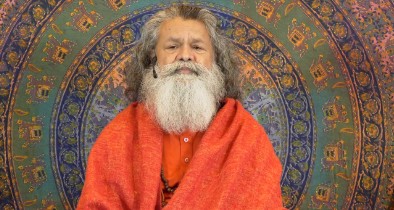
Morning Satsang with Vishwaguruji from Vep, Hungary. Regardless whether you understand bhajans or not, the resonance awakens spirituality in you. The resonance of the songs is reflected in our ten indriyas (organs of perception and action). Swami Sivananda said in his bhajan: those are my friends who understand my words. Shabda means sound, words. In the Gurukul, the warrior students learnt all mantras for archery. By the power of these mantras the arrow goes straight to where the sound of the tiger came from. Vishwaguruji explains the karmic sin of King Dasharatha, father of God Rama.
The Hidden Powers in Humans
6:35 - 6:58 (23 min)
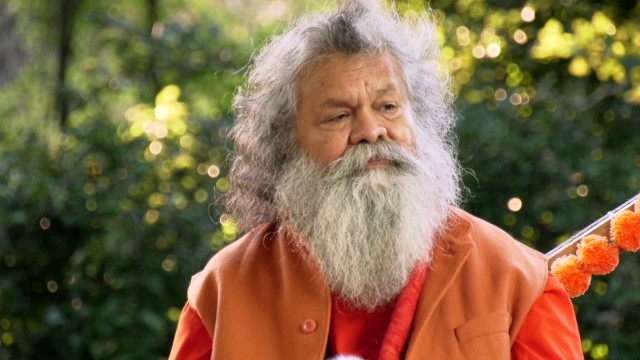
A satsang reflecting on spiritual practice during the pandemic and introducing the study of chakras.
"From our group, about one to two percent got the coronavirus. They were mildly affected, but they did not die."
"What we eat is sāttvic. Sāttvic means no alcohol, no meat, and not eating various kinds of food. I have the results."
Swami Maheshwarananda addresses gathered yoga teachers and students, sharing observations on how a sattvic lifestyle and practices like bhajan singing helped the global Yoga in Daily Life community during the pandemic. He transitions to introducing the study of hidden inner powers, referencing the book The Hidden Power in Man: Chakras and Kundalinī, and begins to explain the significance of Sanskrit letters and chakras, promising a detailed exploration in the coming days.
Filming location: Strilky, Czech Republic
The Living Light of God - Indian Saints
7:05 - 7:32 (27 min)
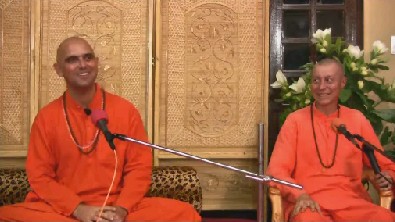
A satsang discourse using a parable to illustrate the guru's role and the disciple's responsibility.
"The saints are there to give us that light, to illuminate our path. The Guru provides the light so we can continue our journey more safely."
"But simultaneously, if we do not apply the brakes of self-discipline and engage in the practices he gives, then that light is of limited use."
The speaker shares a story of a saint offering a light to a speeding motorcyclist who has no brakes, using it as an analogy for spiritual guidance. He explains that the living tradition, or parampara, provides the illuminating light of wisdom through self-realized masters, but disciples must also practice self-discipline. The talk highlights how teachings evolve across generations while preserving their essence, referencing figures like Mahaprabhuji, Guruji, and Swamiji.
Filming location: Jadan, Rajasthan, India
Learning from Guruji
7:40 - 9:19 (99 min)
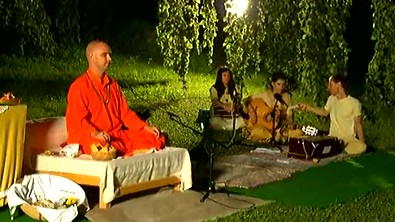
Evening Satsang with Mahamandaleshwar Swami Jasrajpuriji at Strilky Ashram, Czech Republic
Message of the Deepak
9:25 - 9:55 (30 min)
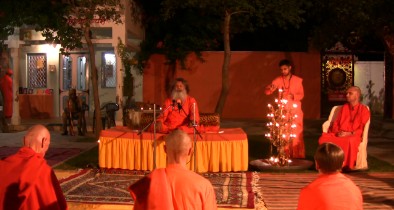
A spiritual discourse on the significance of Diwali (Dīpāvalī).
"This light is the truth, and we light these lights in everyone's heart. If we forget the sins of people, forgive them, and accept them, it means we light the candle again in their heart."
"Therefore, Dīvalī is not only for one day; Dīvalī is every day. When you open your eyes, you get the light, you see the light."
The speaker delivers a satsang on the festival of Diwali, explaining its origin in Lord Rama's return to Ayodhya and its deeper spiritual meaning as the inner light of Brahman. The talk explores the symbolism of the oil lamp—comparing the body to the pot, prana to the oil, the self to the wick, and the flame to the atman—and emphasizes themes of forgiveness, love (prem), non-violence (ahiṃsā), and daily spiritual practice. The discourse includes philosophical reflections, mantra chanting, and a critique of ritual animal sacrifice.
Filming location: Jadan, Rajasthan, India
Hatha Yoga and Kapalabathi
10:00 - 10:38 (38 min)
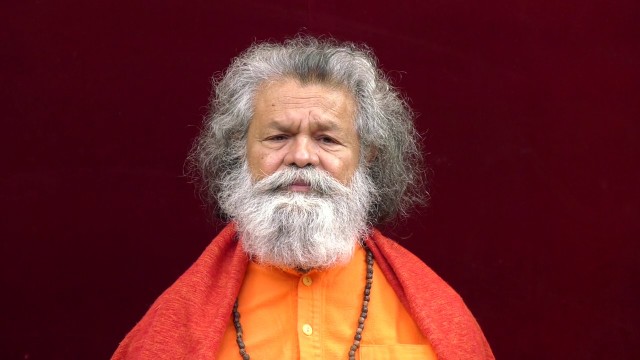
An online satsang on the definition and practice of Haṭha Yoga.
"Haṭha Yoga is Anuśāsanam. The first practice is to begin immediately. 'Ata' means just now—not tomorrow, not in an hour, but immediately."
"Kapālabhāti is a very powerful prāṇāyāma technique, which is why it is called Haṭha Yoga—it requires some power."
Swami Maheshwarananda addresses a global audience, clarifying that true Haṭha Yoga consists of cleansing techniques like netī and kapālabhāti, not merely āsanas. He explains the meaning of 'haṭha' as disciplined effort, details the kapālabhāti breathing technique, and gives a crucial safety warning to avoid forceful prāṇāyāma like kapālabhāti during the coronavirus pandemic. He concludes with blessings for world peace.
Filming location: Strilky, Czech Republic
Morning Satsang from Strilky
10:45 - 11:18 (33 min)
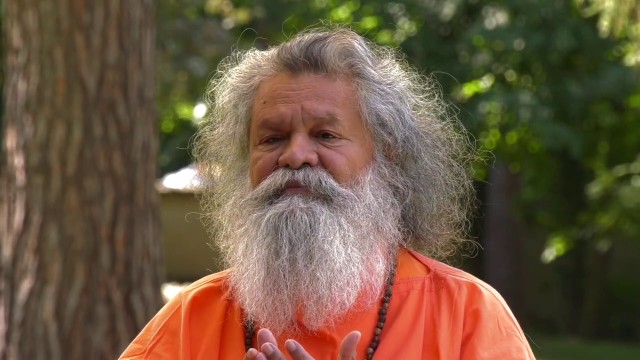
Morning satsang with Vishwaguruji from Strilky Ashram, Czech Republic.
Maya and Naham Karata
11:25 - 12:05 (40 min)
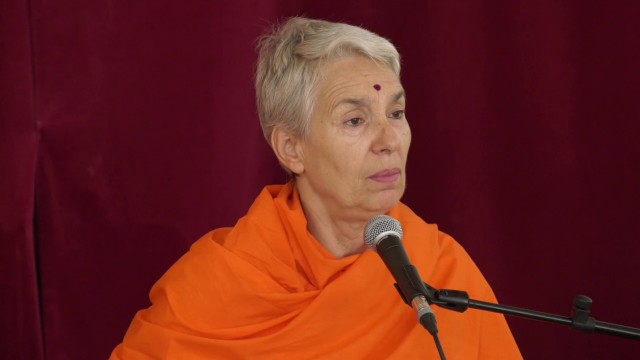
Morning satsang with Vishwaguruji from Strilky Ashram, Czech Republic. Swami Umapuri explains the meaning of the bhajan Ghana din bhataki re. We should leave desires. They are fires which burn us and can kill us also. Anusthan can help to overcome them. The story of Visnu and a yogi who didn't understand Visnu's maya. Maya is very dangerous for us. We should work and do karma yoga to escape from it. Explanation and singing bhajan Maya maha thagini ham jani. Swami Mataji speaks about her experiences with naham karata. We should do our duty serving which is our karma. She explained how to practise bhajan singing with Chinees people.
Lecture from Westin Hotel in Zagreb
13:00 - 14:16 (76 min)
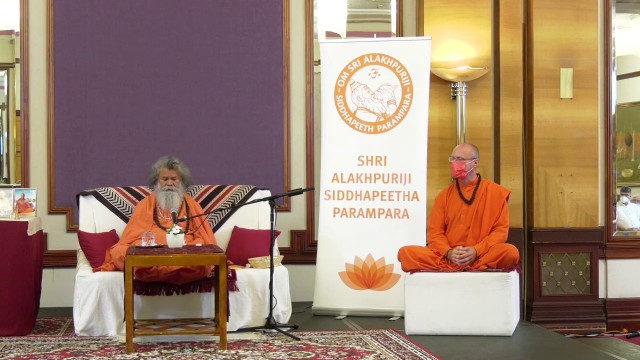
Public Lecture from Westin Hotel, Zagreb, Croatia.
What is spirituality?
14:20 - 15:26 (66 min)
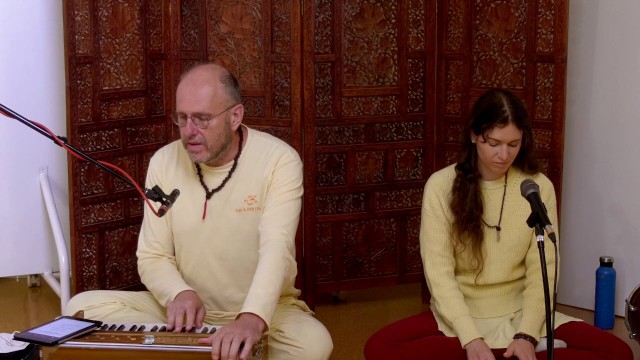
Evening satsang with Vishwaguruji from Vienna Ashram, Austria. We are all like the bird that thirsts and longs for raindrops from the sky. We are the same. We have the longing, but we have not yet got what we want. We want to achieve good things. Even if we have something negative in our hearts, we will get over it one day. Without practice we will not reach our goal. This also means meditation, concentration, karma yoga, not just physical exercises.
Shiva is the first
15:30 - 15:55 (25 min)
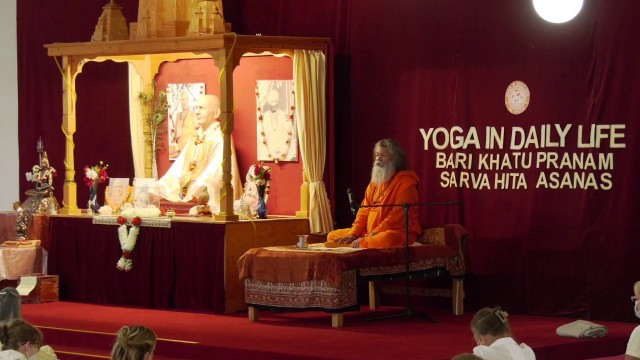
Morning satsang with Vishwaguruji from Strilky Ashram, Czech Republic. The prinviple of Guru is above Brahma Visnu and Siva. Many children are suffering from parents today. Bhajan singing.
Practicing Khatu Pranam
16:00 - 16:44 (44 min)
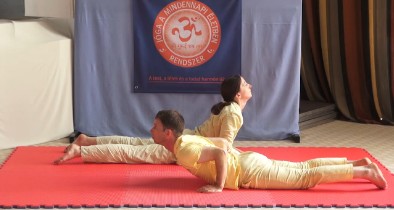
Satsang with Vishwaguruji from Vep, Hungary. Introduction to the second, extended version of Khatu Pranam.
A Sadhu is a worker
16:50 - 17:35 (45 min)
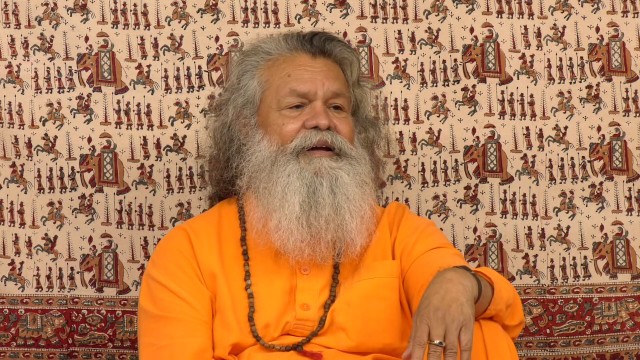
A satsang discourse on health, spiritual practice, and community.
"All our Yoga in Daily Life people, they were really very healthy."
"I never said from which country you are coming, or what you are. No, you are a human."
The lecturer addresses attendees, reflecting on health during the pandemic and attributing wellness to the Yoga in Daily Life system. He discusses plans for upcoming practice sessions, emphasizes selfless service (seva), and explains the guru-disciple relationship using the analogy of a mother and child, advocating for a living tradition while honoring one's primary guru.
Filming location: Strilky, Czech Republic
Evening practice from Strilky
17:40 - 18:39 (59 min)
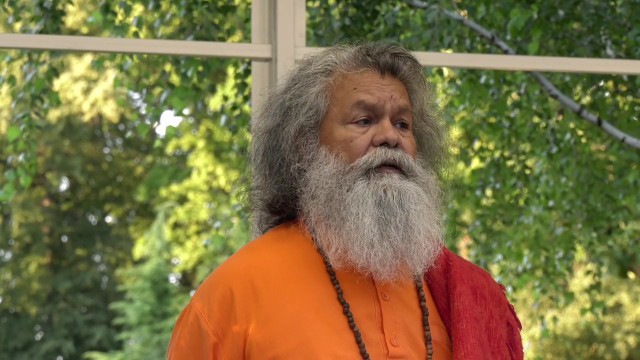
Evening satsang with Vishwaguruji from Strilky Ashram, Czech Republic. Practicing relaxation and asanas led by Vishwaguruji
Our relationship with the Guru
18:45 - 19:25 (40 min)
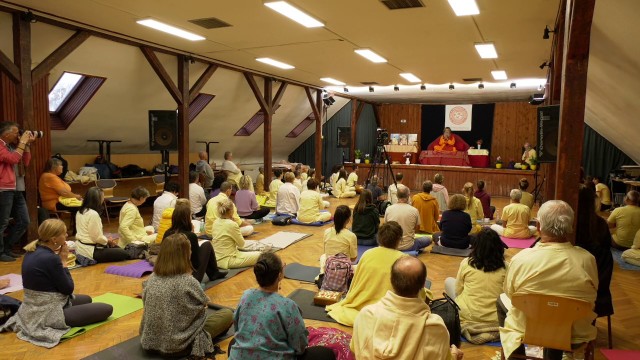
A spiritual discourse on the guru lineage and the nature of truth in the current age.
"Paramparā means one after another. So when that will sit, given here to sit, it’s not that you come and sit down. It will be when our Gurujī said, 'I am going now,' and he gives this place now."
"So in your life, I wish you should be very great and practice, practice, practice. Always only heart, and in the heart is a very little, tiny, tiny something, like a light."
The lecturer addresses a gathering on the 30th anniversary of his mission. He traces the spiritual lineage (paramparā) from Bhagavān Śiva through the Satya Yuga to the present gurus, including Śrī Devpurījī, Mahāprabhujī, and his own guru, Swami Madhavānand. He explains his role in this succession and discusses the loss of universal truth in the Kali Yuga, urging disciples toward spiritual practice rooted in the heart. The talk blends history, analogy, and personal reflection.
Filming location: Debrecen, Hungary
A Sadhu is a worker
19:30 - 20:15 (45 min)
A satsang discourse on health, spiritual practice, and community.
"All our Yoga in Daily Life people, they were really very healthy."
"I never said from which country you are coming, or what you are. No, you are a human."
The lecturer addresses attendees, reflecting on health during the pandemic and attributing wellness to the Yoga in Daily Life system. He discusses plans for upcoming practice sessions, emphasizes selfless service (seva), and explains the guru-disciple relationship using the analogy of a mother and child, advocating for a living tradition while honoring one's primary guru.
Filming location: Strilky, Czech Republic
Yoga in Daily Life is everywhere in the world
20:20 - 22:18 (118 min)
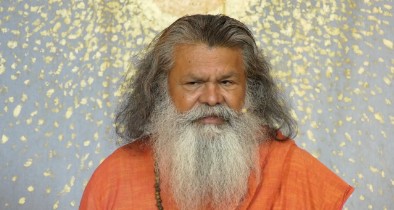
A satsang gathering featuring testimonies on the global spread of the Yoga in Daily Life system.
"Through Yoga in Daily Life, we are bringing everybody together. I think I need all of your help, perhaps to expand hospitality to Asia."
"Before meeting Yoga in Daily Life, I had a very strong desire in my heart... I thought about if there was a yoga system with a master where we could find the truth of life."
Swami Avatarpuri (Gurudev) hosts a session where disciples share their experiences. Dayāmātā (Matajī) speaks about introducing the system to China, facing a market dominated by gymnastic yoga. Her student, Chandra, shares her emotional journey from China to Europe and the transformative love found in the community. Other teachers from New Zealand, the USA, and Brazil also offer brief reflections. Gurudev concludes with teachings on connecting with the earth, practical yoga techniques like Agniṣār Kriyā, and a warning against the dangers of drugs and disconnection from nature.
Filming location: Strilky, Czech Republic
Do good and be human
22:25 - 23:07 (42 min)
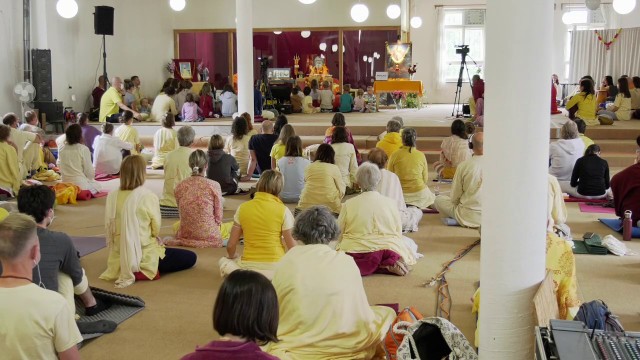
Morning satsang with Vishwaguruji from Strilky Ashram, Czech Republic. We should feel every morning that we are human. The ocean and the drop of water is the same. Human should be like God. WE should do only things that are good for all. Bhajan singing.
First is the Guru
23:15 - 0:07 (52 min)
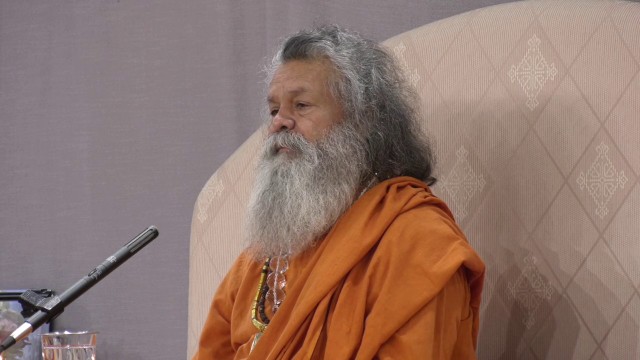
Evening satsang with Vishwaguruji from Zagreb, Croatia. In ancient times, rishis in their ashrams had many cows and their disciples had a job in the ashram. A Guru can notice if a disciple is a real follower or not. The story of Abhimanyu a very young disciple and his Guru and God. It is more than a simple story. In a satsang we all get energy. First is the Guru and then God. The story of Paramhansa Yoganand and his Guru when Yoganand went from India to America.
American
Australian