
European
Mansik Puja, Vienna
0:25 - 1:13 (48 min)
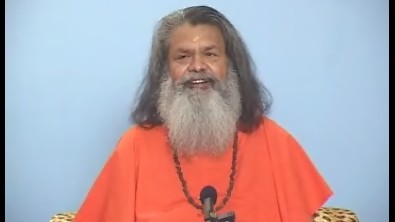
A discourse on the practice and philosophy of Mānasik Pūjā, or mental worship.
"Many people ask questions: how to meditate, what to imagine... So, the best solution is Mānasik Pūjā. When you perform the mental ceremony, you come out of your meditation full of strength, energy, love, and clarity."
"Imagine that you are in the seva of your iṣṭadevatā... For this much time mentally, you are together. You are with it, and then you also get prasāda... This is a beautiful mānasik pūjā."
The lecturer addresses devotees from an ashram in Vienna, explaining the concept and technique of mental worship of one's chosen deity (Iṣṭadevatā). He describes it as a solution to the emptiness that can arise in other forms of meditation, detailing how to mentally perform services like bathing, dressing, and offering food to the divine form. He shares a personal anecdote of his Guruji's disciplined practice and emphasizes that this internal seva cultivates love, dispels negative emotions, and reflects the divine light present in every heart.
Filming location: Vienna, Austria
Yoga in Daily Life Workshop in Villach on 13th of June
1:20 - 2:58 (98 min)
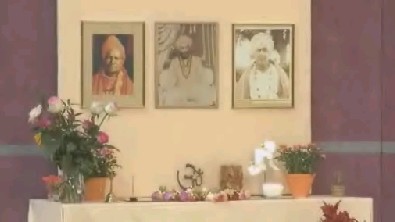
A closing discourse on integrating spiritual awareness into daily life, from sleep to nourishment.
"In deep sleep, you know nothing of being a millionaire or a beggar. In deep sleep, you know nothing of whether you are sick or healthy."
"Therefore, before going to sleep, one says to God: 'What I have done all day... I offer all the fruits of my actions. Lord, forgive me if there was anything not good.'"
Swami Avatarpuri concludes a seminar by guiding attendees through a sacred daily rhythm. He explains the unity experienced in deep sleep, followed by prayers upon waking and mindful practices with water, air, and earth. The talk emphasizes gratitude, the divinity in natural elements, and the importance of offering one's actions. He details a spiritual approach to nourishment, advocating for fresh, whole foods and traditional preparation, linking physical health to inner peace and meditation.
Filming location: Austria
Develop your wisdom, do not steal
3:05 - 3:53 (48 min)
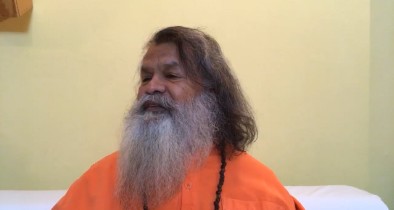
A spiritual discourse addressing imitation, authentic wisdom, and the importance of satsaṅg.
"Imitation is stealing. It is not truth, but imitation."
"If the butter has been eaten by all these other writers... they ate only the butter; they did not eat the cow. So, milk the cow."
The lecturer speaks on the prevalence of imitation in the material and spiritual worlds, using examples from currency counterfeiting to plagiarized scriptures. He recounts a parable where a disciple laments that all wisdom has been taken by past saints, and Gurujī's response is to use the intellect (the cow) with devotion to produce fresh wisdom. The talk emphasizes generating original spiritual insight, warns against bad company (ku-saṅga), and concludes with an explanation of a bhajan by Mahāprabhujī about losing one's way by leaving the Guru's shelter.
Filming location: Strilky, Czech Republic
Around the world - Mataji's experiences with Holy Guruji and Swamiji
4:00 - 4:48 (48 min)
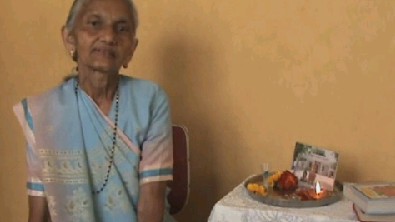
A devotee recounts her spiritual journey, from a divine call to finding her Guru.
"I turned to my right side, and I could see Śrī Kṛṣṇa in my heart, holding a small bowl... and asking for kheer." "He looked into my eyes and said, 'You are looking for a true guru, haven’t you?'"
Rukhswani, an Indian woman living in New Zealand, describes a 1992 vision of Lord Krishna compelling her to make a milk pudding, which leads her to a satsang with Swāmī Śrī Māheśvarañjī. She expresses her search for a true guru and later travels to India, where she meets Holy Gurujī, receives mantra-dīkṣā, and undertakes translation work for him. She shares stories of divine grace, obedience, and her profound emotional connection to her Guru over subsequent years.
Filming location: Wellington, New Zealand
Be happy be good
4:55 - 5:40 (45 min)
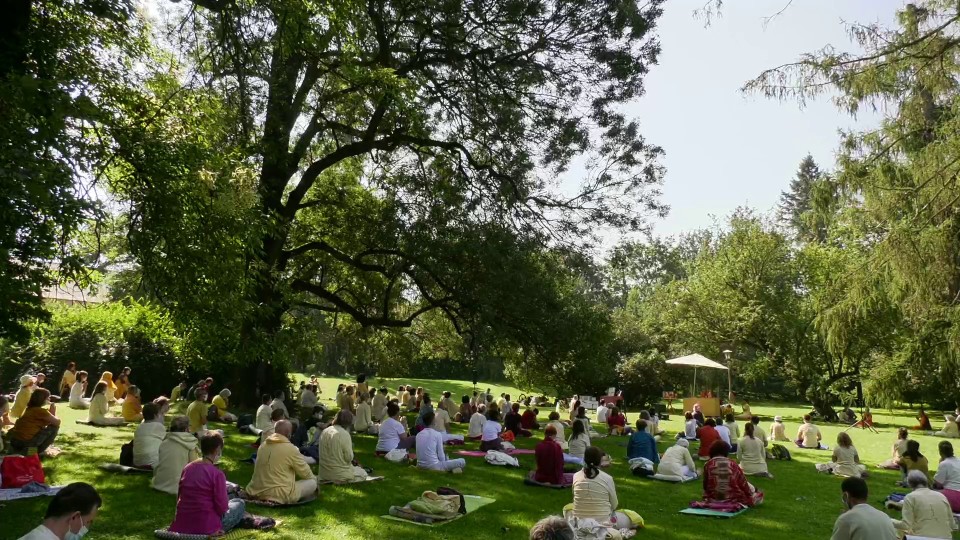
A closing address and prayer session at a spiritual seminar.
"For one week, we were very comfortable, very relaxed, and we had immense spiritual development and spiritual talks."
"What you have learned now, after a long time, it will come inside... You cannot say, 'Finally, I am perfect.'"
A teacher addresses participants at the conclusion of a week-long seminar, expressing gratitude and offering guidance for integrating the teachings. He discusses the gradual process of learning, warns against fear and superstition, emphasizes love for family, and clarifies that yoga extends beyond physical practice. The session includes chanting, a prayer, and final instructions for departure.
Filming location: Strilky, Czech Republic
Evening Satsang from Salzburg, Austria
5:00 - 6:00 (60 min)
with S. Avatarpuriji und S. Rajendrapuriji
Mind and chakras
5:45 - 6:10 (25 min)
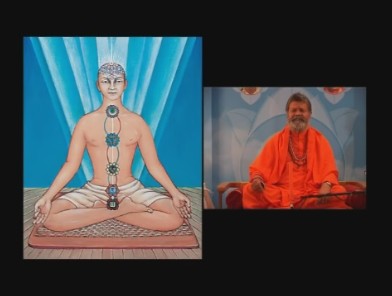
A lecture on the nature of the mind, subconscious impressions, and yogic philosophy.
"Our senses are mostly connected to and work with the consciousness, the awakened state."
"The mind is that principle which functions between the conscious and subconscious, pendling up and down."
The teacher provides a detailed explanation of how sensory impressions become stored desires in the subconscious, using the analogy of an unfulfilled ice cream craving manifesting in a dream. He describes the mind as a pendulum between conscious and subconscious levels, warning against blocking mental energy and instead advocating for directing it through self-discipline. The talk expands into the relationship between emotion, intellect, consciousness, and the nadis (Ida, Pingala, Sushumna), linking psychological concepts to the chakra system and the dormant energy of kundalini.
Filming location: Brisbane, Australia
The Third Eye and the Awakening of the Mūlādhāra Cakra
6:15 - 6:53 (38 min)
A spiritual discourse on the third eye and the Mūlādhāra Cakra.
"The third eye signifies wisdom. All your karmas will be burned, and everything becomes pure."
"When we begin to awaken the Mūlādhāra Cakra, it is a wonderful feeling. You feel like you are coming out of darkness, like a seed which was under the earth now begins to sprout."
The speaker delivers a teaching on subtle anatomy, beginning with the wisdom of the third eye before focusing on the foundational Mūlādhāra Cakra. Using the symbol's imagery—the lotus, the elephant of prosperity, the coiled serpent of time, and the Śiva Liṅga—they explain the cakra's role as the seat of dormant energy (Śakti) and its awakening as the start of the spiritual journey toward union with supreme consciousness. The talk includes practical spiritual advice, references to Gaṇeśa, and concludes with a chant.
Filming location: Umag, Croatia
If you don’t accept, you will lose the chance
7:00 - 7:38 (38 min)
A discourse on the spiritual message of the Satguru, using a bhajan for reflection.
"Only the disciple whose antahkaraṇa (inner instrument) is pure will understand the indications Gurudev gives."
"Whatever is said by the Guru comes to truth."
A spiritual teacher unpacks the bhajan "Sandeśa," explaining how a Satguru's guidance, though sometimes difficult to accept, is a divine message meant for the disciple's ultimate liberation. He uses analogies of medicine, social education, and protection from negative influences (Ku-saṅga) to describe the process of purifying one's qualities to receive and understand the Guru's word (Guruvākya), which awakens the soul.
Filming location: Strilky, Czech Republic
The essence is always the same
7:45 - 8:23 (38 min)
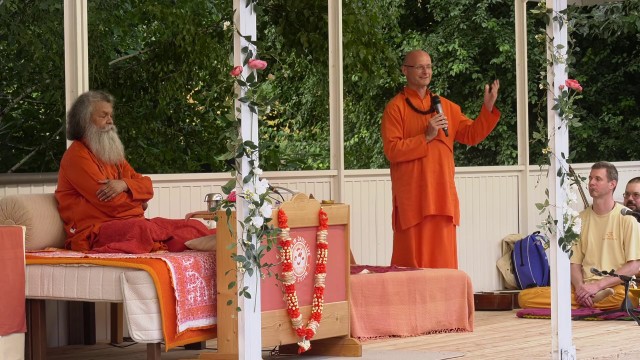
A satsang talk reflecting on spiritual transformation and the grace of the Guru.
"In yoga, it is very important to understand the concepts of Kāla and Deśa. This means that each era has its own appropriate way of behavior, and each place is different."
"What we learn from Viśva Gurujī is not only āsanas... but that we need to be flexible in our hearts and minds."
A speaker addresses the gathering after a Guru Purnima celebration, exploring how the essence of yoga remains constant while adapting across time and place. He shares stories illustrating the Guru's foresight, like predicting currency changes in Croatia, and emphasizes the transformative power of dedicated practice and being physically present in the ashram's energy. The talk uses metaphors like a spoon in honey to describe receptivity to grace and lighthouses for the role of ashrams.
Filming location: Strilky, Czech Republic
Bhajans from Strilky
8:30 - 9:01 (31 min)
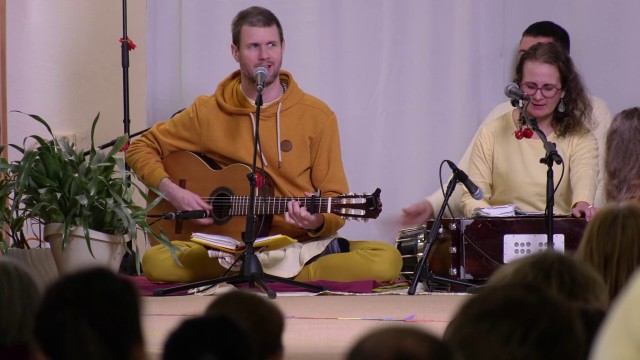
Bhajan singing from Strilky Ashram, Czech Republic.
Bhajan singing from Vep
9:05 - 9:32 (27 min)
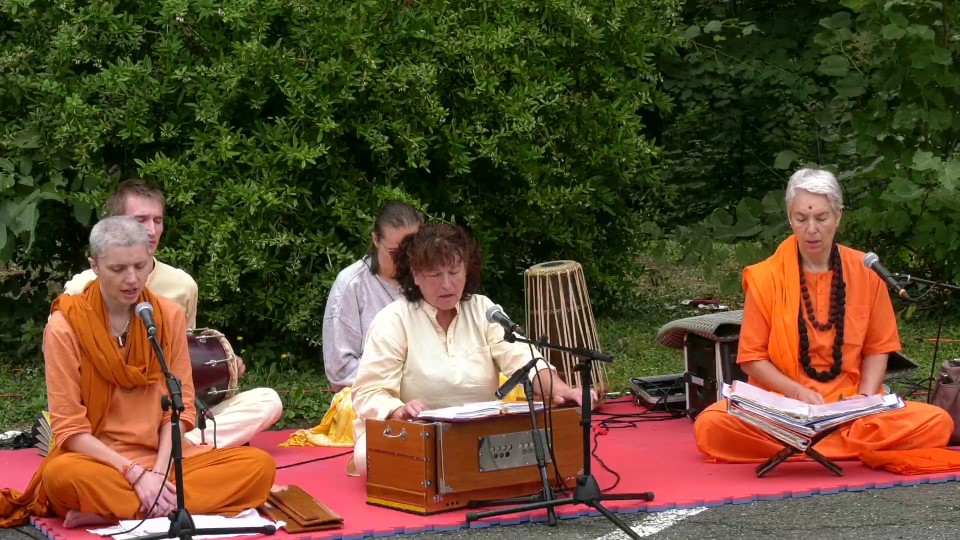
Morning satsang with Vishwaguruji from Vep, Hungary. Bhajan singing. Translation of the bhajan "Itna to karana Guruji"
Bhajans from Rijeka
9:40 - 10:00 (20 min)
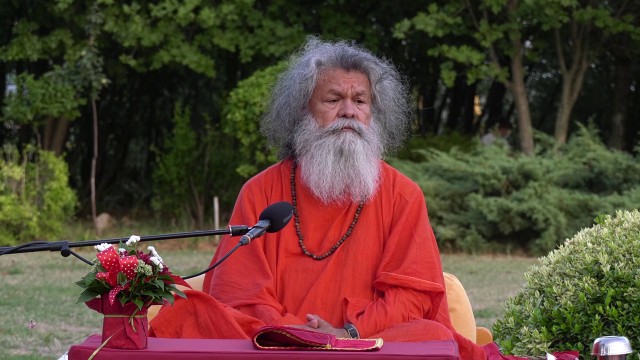
Evening satsang with Vishwaguruji from Rijeka Ashram, Croatia. Singing Bhajans.
Bhajans from Rijeka
10:05 - 10:33 (28 min)
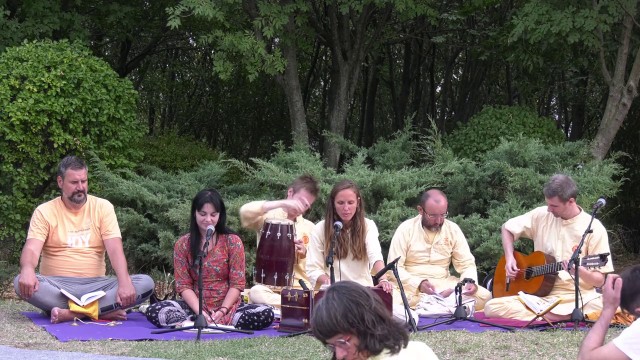
Evening satsang with Vishwaguruji from Rijeka Ashram, Croatia.
Bhajan evening from Vep
10:40 - 11:35 (55 min)
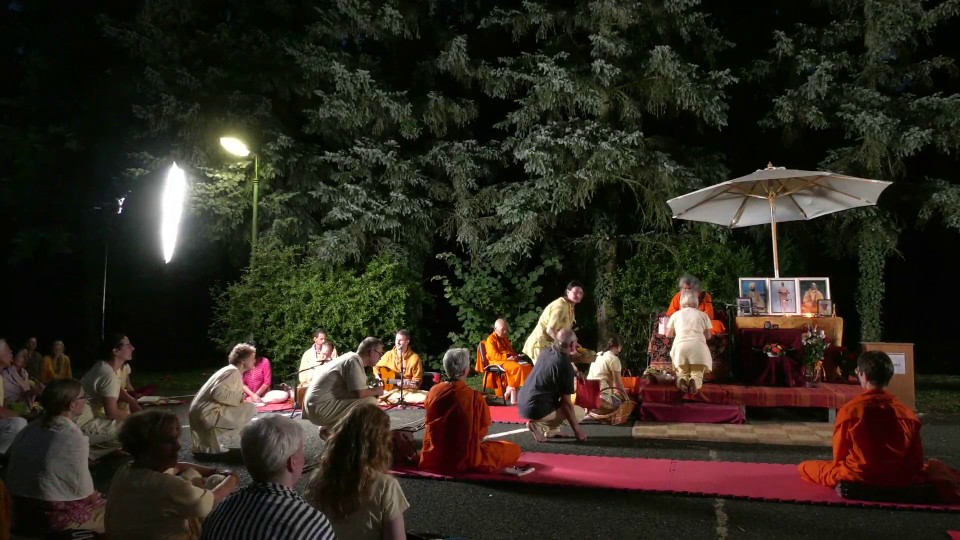
Evening satsang with Vishwaguruji from Vep, Hungary. Bhajan singing.
The Nature of the Knower and the Self
11:40 - 12:15 (35 min)
A discourse on Advaita Vedanta and the nature of the Self, based on Śaṅkarācārya's teachings.
"This body is full of vikāra. Some have a cough, some a cold, some have lung problems... But Ātman is not born; there is no change in your Ātman, and it will not die either."
"If you have no form, what can death do to you?... You are Avināśī. So if you are Avināśī, no one can destroy you, no one can take you away; then why are you afraid?"
The speaker expounds on the true nature of the Self (Ātman) as distinct from the body, explaining key Sanskrit terms: Nirvikāra (free from decay/impurity), Nirākāra (formless), Nirmala (pure), and Avināśī (immortal). He emphasizes that identifying with the eternal, formless Self, rather than the impermanent body, is the path to overcoming fear, disease, and sorrow. The talk integrates scriptural commentary, practical advice like breath awareness and Self-inquiry, and concludes with the realization of the Self as all-pervading (Vyāpaka) consciousness.
Filming location: Vienna, Austria
The Forms of the Divine
12:20 - 12:52 (32 min)
A spiritual discourse on the formless and manifest aspects of the divine.
"One is what we can call God, but we cannot see God; it is only God. That is called Nirākāra. Nirākāra means there is no form or posture."
"The second is Sākār. Sākār means with a form, like a statue or our body, so that we can worship God."
A spiritual teacher delivers a satsang on Guruji's birthday, explaining the concepts of Nirākāra (formless God) and Sākār (God with form). Using examples like Jesus, Krishna, and Buddha, he illustrates how divine incarnations suffer and are often misunderstood. The talk expands to cover creation stories, the cycles of the Yugas, and the importance of righteous living and sādhanā (spiritual practice) in the current Kali Yuga.
Filming location: Strilky, Czech Republic
Devik shakti
13:00 - 13:30 (30 min)
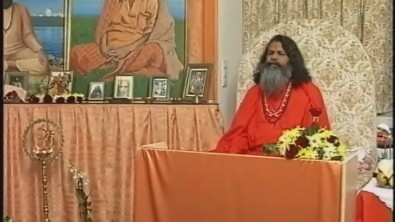
A spiritual discourse on the two fundamental forces of the universe, Devīśakti and Āsurīśakti.
"Both forces, Devīśakti and Āsurīśakti, exist. Devīśakti is positive power, and Āsurīśakti is negative power. But the origin of both is one: God Himself."
"Thus, Devīśakti and Āsurīśakti develop. The part of the power, the energy gathered in negative qualities, day by day, will become Āsurīśakti, and the positive forces will become Devīśakti."
The speaker explains the cosmic duality of divine and negative powers, both emanating from a single divine source. He describes how an individual's path—toward development or destruction—is influenced by their company (saṅga). The talk covers the three types of suffering (Tri-Tāpa), the importance of the Guru's grace for protection, and the significance of the Navarātri festival dedicated to the Divine Mother, or cosmic Śakti.
Filming location: Vienna, Austria
The One in All and All in One
13:35 - 14:03 (28 min)
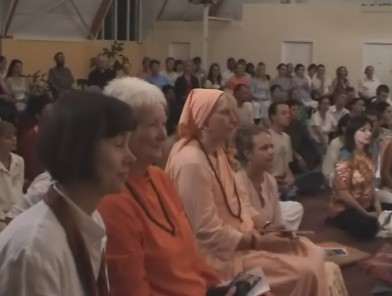
A spiritual discourse on universal consciousness, creation, and human purpose.
"Our great master used to say, 'One in all and all in one.'"
"Yoga is not physical postures... Yoga is the balancing principle... Where there is a balance, there is harmony."
The lecturer delivers a talk exploring the origins of the universe, consciousness, and the principle of yoga. He explains the Vedic concept of creation from sound (Aum) and the elemental evolution from space to earth. The discourse covers the oneness of all life, the unique potential of human intellect, and the importance of education in human values, tolerance, and understanding. He concludes by relating the cycle of rebirth to the modern concept of recycling.
Filming location: Brisbane, Australia
The Nature of the Knower and the Self
14:11 - 14:46 (35 min)
A discourse on Advaita Vedanta and the nature of the Self, based on Śaṅkarācārya's teachings.
"This body is full of vikāra. Some have a cough, some a cold, some have lung problems... But Ātman is not born; there is no change in your Ātman, and it will not die either."
"If you have no form, what can death do to you?... You are Avināśī. So if you are Avināśī, no one can destroy you, no one can take you away; then why are you afraid?"
The speaker expounds on the true nature of the Self (Ātman) as distinct from the body, explaining key Sanskrit terms: Nirvikāra (free from decay/impurity), Nirākāra (formless), Nirmala (pure), and Avināśī (immortal). He emphasizes that identifying with the eternal, formless Self, rather than the impermanent body, is the path to overcoming fear, disease, and sorrow. The talk integrates scriptural commentary, practical advice like breath awareness and Self-inquiry, and concludes with the realization of the Self as all-pervading (Vyāpaka) consciousness.
Filming location: Vienna, Austria
Mental food
14:52 - 16:50 (118 min)
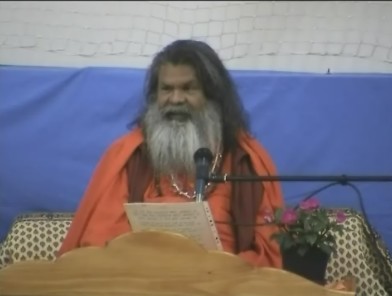
Swamiji in Sliac, April 2007
Practising Asanas
17:00 - 17:47 (47 min)
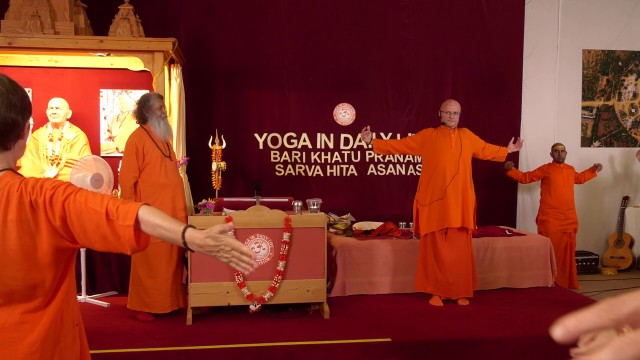
Evening satsang with Vishwaguruji from Strilky Ashram, Czech Republic. Practising asanas with Vishwaguruji and M.M. Swami Vivekpuriji. Streching in standing position, manduki asana.
Gurudeva hi Kevalam
17:55 - 18:50 (55 min)
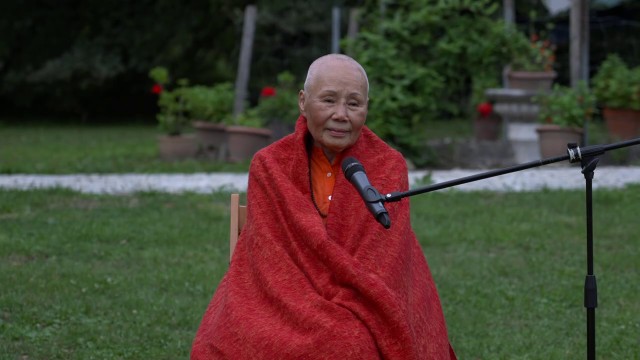
Evening satsang from Yoga Summer Retreat from Strilky, Czech Republic. As we know, things are changing in our lives. What comes shall go. A story of a man, who was a happy person, and used to make others happy. This man time to time went to his Guruji for darshan and advice. Gurudev knows what is going on in our minds. Karma yoga is a help for us. We are all blessed to have Gurudev's guidance. Bansuri flute music. Lecture by Swami Daya Mata, about good and bad things that are transient.
Time and destiny, Melbourne
18:55 - 20:05 (70 min)
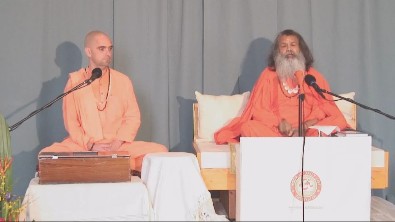
Every saint or holy incarnation has to go through certain experiences in life. Even God has to go through particular situaions. Does God have a destiny? The life of Jesus - he had to go through many hard situations in his life. Was this his destiny or was him given a task to go trough? Swamiji tells episodes from the life of the Sufi master Mansur Al-Hallaj and Hanumanji from the Ramayana. If we have faith - God and we are one - then nothing will happen. When we hold on God's name we will cross the ocean and reach the shore of happiness and peace. Kirtan is the repetition of God's name. The positive vibration will resonance in our whole body and will give positive effects. This will influence our destiny. Guruvakyas, Satsangs, Kirtans and Bhajans are good guidelines in our life. Recorded in Melbourne, Australia.
Yoga in Daily Life Workshop in Villach on 13th of June
20:10 - 21:48 (98 min)
A closing discourse on integrating spiritual awareness into daily life, from sleep to nourishment.
"In deep sleep, you know nothing of being a millionaire or a beggar. In deep sleep, you know nothing of whether you are sick or healthy."
"Therefore, before going to sleep, one says to God: 'What I have done all day... I offer all the fruits of my actions. Lord, forgive me if there was anything not good.'"
Swami Avatarpuri concludes a seminar by guiding attendees through a sacred daily rhythm. He explains the unity experienced in deep sleep, followed by prayers upon waking and mindful practices with water, air, and earth. The talk emphasizes gratitude, the divinity in natural elements, and the importance of offering one's actions. He details a spiritual approach to nourishment, advocating for fresh, whole foods and traditional preparation, linking physical health to inner peace and meditation.
Filming location: Austria
Mansik Puja, Vienna
21:55 - 22:43 (48 min)
A discourse on the practice and philosophy of Mānasik Pūjā, or mental worship.
"Many people ask questions: how to meditate, what to imagine... So, the best solution is Mānasik Pūjā. When you perform the mental ceremony, you come out of your meditation full of strength, energy, love, and clarity."
"Imagine that you are in the seva of your iṣṭadevatā... For this much time mentally, you are together. You are with it, and then you also get prasāda... This is a beautiful mānasik pūjā."
The lecturer addresses devotees from an ashram in Vienna, explaining the concept and technique of mental worship of one's chosen deity (Iṣṭadevatā). He describes it as a solution to the emptiness that can arise in other forms of meditation, detailing how to mentally perform services like bathing, dressing, and offering food to the divine form. He shares a personal anecdote of his Guruji's disciplined practice and emphasizes that this internal seva cultivates love, dispels negative emotions, and reflects the divine light present in every heart.
Filming location: Vienna, Austria
The Self and The Soul, Melbourne
22:50 - 0:20 (90 min)
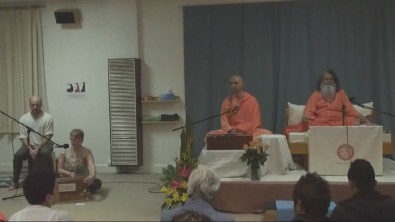
Sri Ram - Kirtan sung by Ally. Swami Jasraj Puri brings an example: When on the spiritual path arise doubts - hold on, it will calm down. Swami Sannyasanand speaks about Pranayama, Ida and Pingala breathing. Swamiji speaks about Lord Shiva,Yog Shakti, the sound OM and Siddhis - the supernatural powers. Atman is universal, the Self, it is immortal. It is like the space, no one can destroy,fire cannot burn nor dead can effect it. Jivatma is individual,is born,reborn comming and going. It is a bundle of our karmas and there are 4 ways to do karma. Swamiji tells a episode from the Ramayana, about Garuda, the carrier of Lord Vishnu as he lost his bhakti to Lord Rama and he was suffering a lot because of his doubts. We have 9 doors where the soul will go out of the body.We can lead ourselves to the Brahman or we can lead ourselves down, it depends on our individual karma and our practice. Translation of the bhajan: Shivoham Shivoham.
American
Australian