
European
Prayer will reach our chakras
0:10 - 0:56 (46 min)
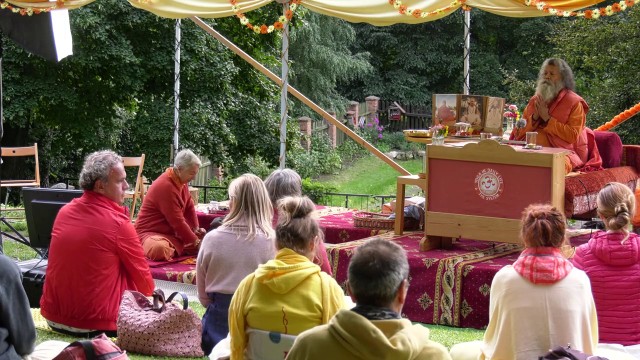
A spiritual discourse on the human body as an instrument, chakras, and daily practice.
"Our instruments in our body, and the instruments we use all day long, then we go to sleep. That is where we are going; we go to sleep."
"First, I am human. When we think really, really, then the whole day we will not do anything wrong to other humans."
Swami Ji addresses the morning gathering, using the fragility of translation equipment and a personal childhood story about a horse to illustrate the need for careful handling of all 'instruments'—including the human body. He outlines an ideal morning routine of gratitude, starting with recognizing one's humanity and honoring parents and the Earth. The talk introduces a long-term study of chakras and kuṇḍalinī, while cautioning against fear and emphasizing that everyone is already divine and should proceed naturally under a true guru's guidance.
Filming location: Strilky, Czech Republic
Morning Yoga practice, Umag, Croatia (7/9)
1:00 - 2:54 (114 min)
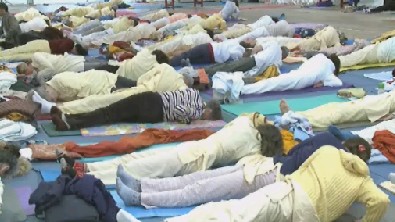
Morning Yoga practice from the international Yoga retreat Umag, Croatia on 1st of October
How can I love myself?
3:00 - 3:33 (33 min)
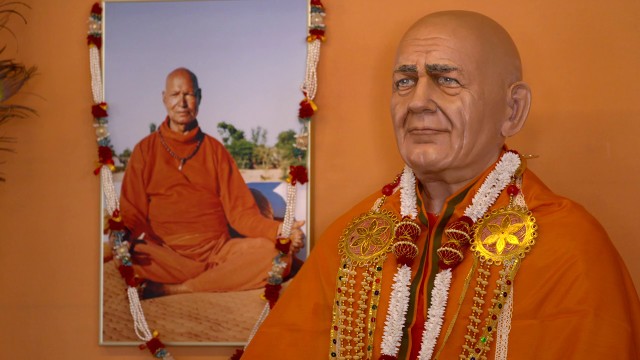
A satsang exploring the concept of self-love through the framework of the four aspects of divine grace (kripa).
"Swāmījī did not really use this word, but I know it comes from Holī Gurujī; he is always using that."
"Love each and every living being, if not more, then at least as much as yourself."
Guru Lilā, addressing the community, explains the four aspects of kripa: Deva Kripa (grace of the gods), Śāstra Kripa (grace of the scriptures), Guru Kripa (the Guru's grace), and Kuṭkī Kripa (self-grace). He focuses on Kuṭkī Kripa as self-love, arguing it is a prerequisite for loving others. He outlines a practical path to self-love through self-acceptance, self-understanding, and self-giving, linking it to core teachings. He shares an anecdote about a woman healing from ALS through self-love and concludes with a traditional story about Guru Nānak illustrating the complex workings of karma.
Filming location: Strilky, Czech Republic
Why we do Anusthan
3:40 - 4:40 (60 min)
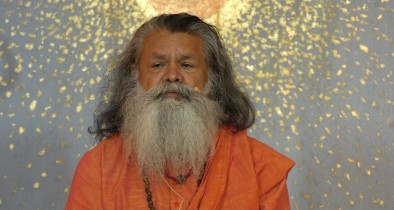
A discourse on the purpose and practice of Anuṣṭhāna, a spiritual observance.
"Anuṣṭhāna is when you make a saṅkalpa. Saṅkalpa means you promise yourself to undertake a practice for a certain purpose: for spiritual development, for good health, for success."
"We pray that all creatures should live in peace, harmony, and health. God protect all. This is our Anuṣṭhāna for this year."
A spiritual teacher explains the traditional practice of Anuṣṭhāna, a vowed observance for specific purposes like family harmony, health, or agricultural success. He contrasts its ideal use for unity and blessings with modern distortions, like praying for divorce. The talk expands to advocate for Anuṣṭhāna as a prayer for universal well-being, encompassing family, community, nature, and all living creatures, emphasizing harmony with the natural world and compassion for animals.
Filming location: Strilky, Czech Republic
Rishis are protecting us
4:45 - 5:40 (55 min)
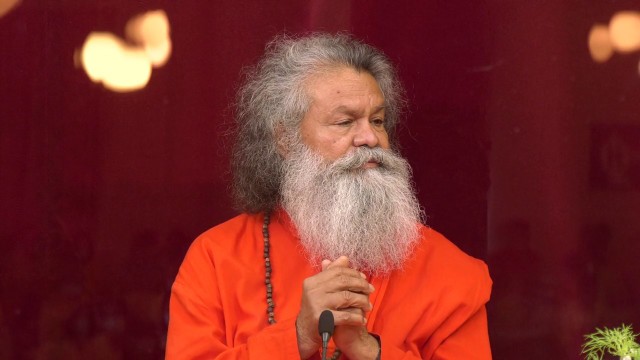
A spiritual discourse on the presence of hidden sages and the nature of true spirituality.
"Often, at the Kumbh Melā, great sādhus speak of certain saints. Perhaps some are there at the Melā, or perhaps they are deep in the great Himalayas. They do not wish to come to us, yet they know everything."
"Holī Gurujī said, 'One in all and all in one.' ... if one from one religion criticizes others, then this is not a true recipient, not a spiritual person."
Swami Ji addresses the assembly, describing the great, invisible ṛṣis (sages) who protect humanity from hidden places like Himalayan glaciers. He emphasizes universal oneness, warning that criticizing others reveals one's own negativity, and shares a parable about a guru repeatedly saving a scorpion to illustrate maintaining one's compassionate nature regardless of others' actions.
Filming location: Strilky, Czech Republic
Stories are within you
5:45 - 6:43 (58 min)
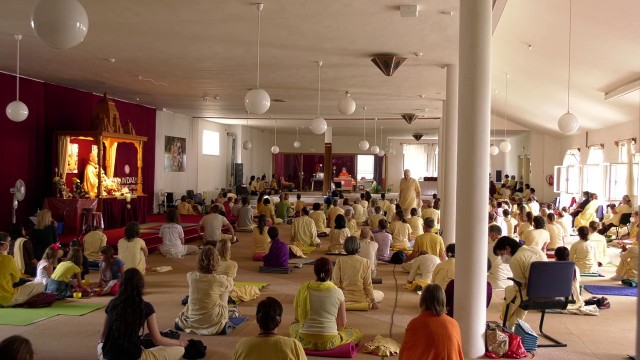
A morning satsang on the guru's grace, devotion, and the power of teaching through stories.
"Na’haṁ kartā means we are not the doer. We cannot do it. If we think we do, it may be confusing. So we give it with both our hands; we surrender it at the holy feet of Mahāprabhujī."
"So, when someone asks you, and you give… The answer first to them. First, give your answers... The answer is yours because you are now a great man."
The speaker, Swami Avatarpuri, opens with the principle of surrender to the guru's grace. He uses analogies, like a sculptor transforming stone into a worshipped deity, to illustrate how devotion elevates the ordinary. He shares a parable about a poor man whose selfless act of seeking answers for others ultimately solves his own plight, emphasizing the power of selfless service and positive speech. The talk concludes with personal anecdotes about the value of stories as a tool for learning and connection.
Filming location: Strilky, Czech Republic
Unity, love, forgiveness, and devotion
6:50 - 7:33 (43 min)

An evening satsang on unity, awareness, and forgiveness.
"Whenever Bhaktas come, unite, and sit together, that is Dīvālī, that is Christmas."
"More than anything, there is forgiveness. When we forgive people for what they have done, it's not for them, it's for us."
A swami addresses a full hall, emphasizing the power of collective devotion to transform the age. He discusses the importance of awareness in daily life, using personal anecdotes about zoning out while driving and reducing phone use. He stresses that selfless service (seva) requires devotion (bhava) and explains unity through the metaphor of beads on a thread of Guru Bhakti. He shares a story from the Ramayana about a dog seeking justice to illustrate forgiveness and the dangers of ego, concluding with teachings on living in the present and protecting dharma.
Filming location: Strilky, Czech Republic
Past is gone future is not here yet
7:41 - 8:25 (44 min)
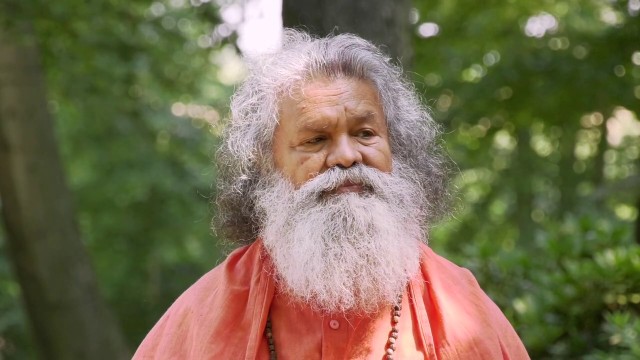
A spiritual discourse on living in the present moment and the nature of past, present, and future.
"Therefore, it is at present. Be in the present."
"So the past is gone. The present is here. But you think, 'In the future, I will also get this.' But you will not get it. That’s it."
An instructor addresses a group, advising them to release attachment to past experiences and future anxieties. He advocates for a simple, relaxed practice, contrasting it with other meditation techniques. Using stories, such as a dog losing its bread by coveting a reflection, he illustrates the futility of dwelling on what is gone or what might be, emphasizing that true practice (Anuṣṭhāna) is about being grounded in the now.
Filming location: Strilky, Czech Republic
The Divine Lineage of Alakpurījī: Saints, Siddhas, and the Eternal Guru
8:35 - 9:05 (30 min)
A discourse on the divine lineage of the Alakpurījī Siddha tradition.
"From time to time I incarnate in every yuga to protect the dharma, to liberate all the pure souls, and again to remove or destroy the āsurī śaktis."
"Guru Brahma, Guru Viṣṇu, Guru Devo Maheśvara, Guru Sākṣāt Para Brahma, Tasmai Śrī Guruve Namaha—the Guru Tattva, Śiva Tattva, Viṣṇu Tattva, and Brahma Tattva."
A spiritual teacher narrates from a high Himalayan valley, explaining the eternal Guru principle and the Nityāvatāra of great saints. He recounts the lineage from the ancient Alakpurījī to Devapurījī, then to Bhagavān Śrī Dīp Nārāyaṇa Mahāprabhujī, and finally to their Satguru, Swāmī Madhavānandapurījī, whose birth anniversary is being celebrated. The talk includes a parable about missing divine blessings and emphasizes surrender and patience on the spiritual path.
Filming location: India
The Presence of the Guru
9:10 - 9:53 (43 min)
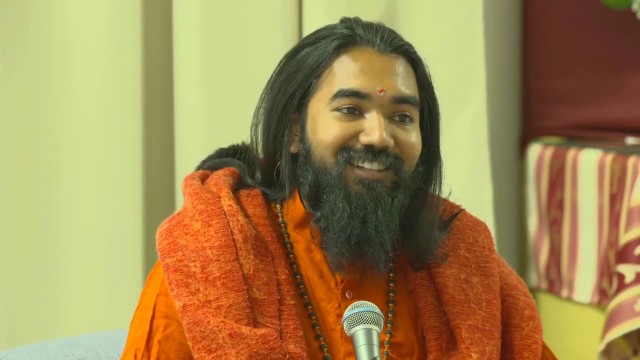
A satsang on devotion, surrender, and relating to the spiritual teacher.
"Gurudev is in the same space, same region, I would say, but we all should know that Gurudev is watching. It doesn’t matter where he is, he is always observing everything."
"If we have that mindset within us, that whatever we are doing, it’s him doing... then nothing is going to stop us in this world."
The lecturer addresses disciples in Slovenia, sharing insights from traveling with Gurudev, Sri Vishwaguru Mahamandaleshwar Paramahamsa Maheshwaranand Puri. He discusses the Guru's omnipresence, the importance of selfless service (seva), and cultivating trust over logic. He advises on etiquette in the Guru's presence, tells a parable about faith, and leads a guided meditation (manasik puja) to feel the Guru's inner presence.
Filming location: Slovenia
The same light lits in all of us
10:00 - 10:44 (44 min)
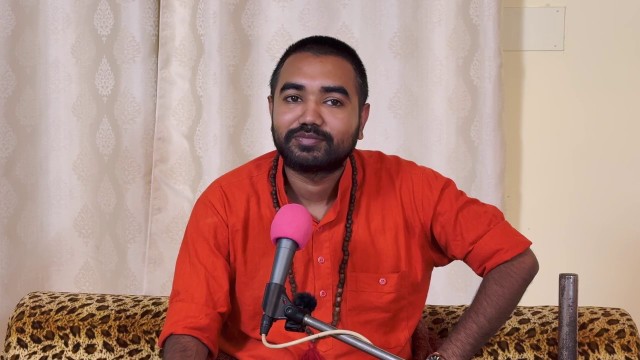
A satsang discourse on the nature of the Guru and the path to inner peace.
"Guru is Brahmā, Guru is Viṣṇu, and Guru is Maheśa. He holds all the qualities, or he is higher than God."
"The ultimate goal for us is mokṣa, self-realization. The help, the guidance, will always come from Gurudev, but the work has to be done by ourselves."
A speaker addresses a gathering, expounding on the supreme position of the Satguru as the embodiment of the divine trinity and the essential guide. He discusses the necessity of personal effort, surrender, and enduring the Guru's disciplining 'hammering' to progress spiritually. Themes include moving from ego to witness consciousness, the importance of faith over expectation, and finding lasting peace within.
Filming location: Jadan, Rajasthan, India
One day we will be together
10:51 - 11:35 (44 min)
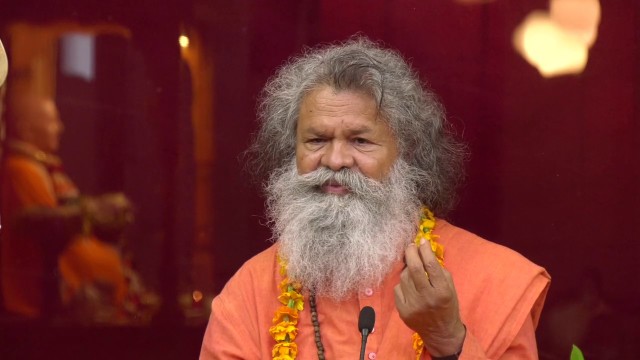
An evening satsang on spiritual unity and the essence of all paths.
"It is very important that everyone has their yoga center's name... but yoga is only one yoga; we simply have different names."
"All children are born into what we call a kindergarten. In the kindergarten, we see all children as very beautiful and very good."
The lecturer addresses the global Yoga in Daily Life community, using analogies of families, children, and the water cycle to illustrate the fundamental oneness underlying all yoga schools, religions, and human beings. He emphasizes respect for all traditions and lineages while cautioning against the discord created by attachment to names and identities. The talk concludes with a prayer for harmony and a reminder to seek inner unity.
Filming location: Strilky, Czech Republic
Come here to practice yoga
11:45 - 11:59 (14 min)
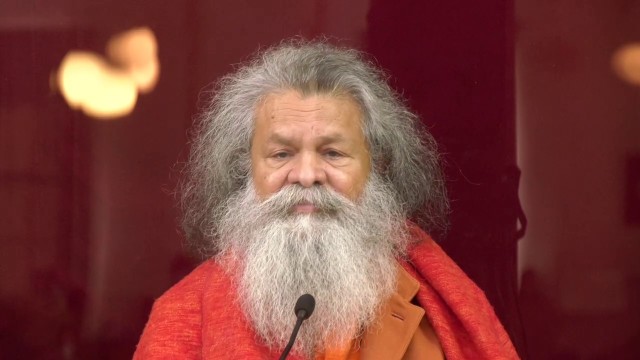
A spiritual leader addresses a gathering at an ashram, discussing the sanctity of the location and the community's service work.
"Our fruits here are all very good. Our vegetation is very good. We can take a long, very good walk. This is truly beautiful, very good."
"We help many, many people, and the animals, and cows, and the honeybees. It is very good that, thanks to this, we have another opportunity to help not only people but also animals and bees."
The speaker begins with chants and praises the ashram's pure environment, encouraging attendees to visit for spiritual practice (sādhanā). He outlines the community's charitable activities, mentioning affiliations with organizations like the United Nations, and discusses future travel plans to India to further this work. The talk concludes with blessings.
Filming location: Strilky, Czech Republic
Around The World - Summer Yoga at the Beach, Split, CRO
12:00 - 12:06 (6 min)
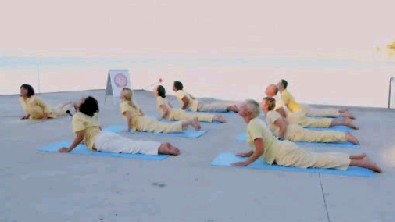
Summer Yoga at the Beach, Split, Croatia
Around The World - Surya Namaskar at Sri Devpuriji Ashram, Zagreb, CRO
12:10 - 12:46 (36 min)
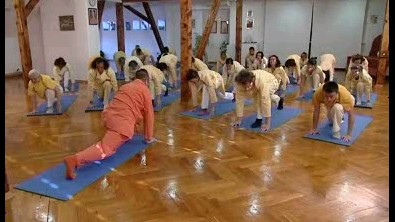
Surya Namaskar in Sri Devpuriji Ashram, Zagreb, Croatia with english subtitles
Unity, love, forgiveness, and devotion
12:50 - 13:33 (43 min)
An evening satsang on unity, awareness, and forgiveness.
"Whenever Bhaktas come, unite, and sit together, that is Dīvālī, that is Christmas."
"More than anything, there is forgiveness. When we forgive people for what they have done, it's not for them, it's for us."
A swami addresses a full hall, emphasizing the power of collective devotion to transform the age. He discusses the importance of awareness in daily life, using personal anecdotes about zoning out while driving and reducing phone use. He stresses that selfless service (seva) requires devotion (bhava) and explains unity through the metaphor of beads on a thread of Guru Bhakti. He shares a story from the Ramayana about a dog seeking justice to illustrate forgiveness and the dangers of ego, concluding with teachings on living in the present and protecting dharma.
Filming location: Strilky, Czech Republic
Mahashivaratri satsang from Fiji
13:34 - 14:00 (26 min)
A spiritual discourse and storytelling session for Mahāśivarātri.
"Sanātana Dharma is the highway, the main road. Other paths are like small sticks you walk on with your feet; they will leave you in the forest after some time."
"Lord Śiva said, 'You are such a great bhakta, you offer yourself to me. What can be a greater bhakta than you?'"
A spiritual teacher addresses a gathering at a resort in Fiji on the holy night of Mahāśivarātri. He praises the devotion of the resort staff and the assembled diaspora for preserving Sanātana Dharma. He shares two traditional stories illustrating Lord Shiva's compassionate nature: one of a thief who accidentally worships while trying to steal, and another of a hunter whose unintentional offerings and act of mercy lead to divine grace and liberation.
Filming location: Fiji Islands
The drop returns to the ocean
14:02 - 14:16 (14 min)
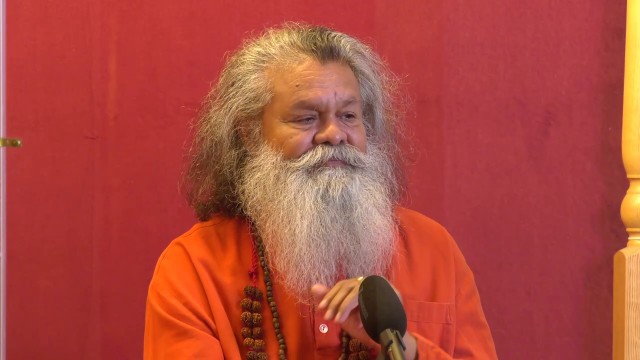
A spiritual talk on the practice of Brahmari pranayama and the nature of human life.
"Brahmari is very great. It is for the soul. And the whole brain—the whole brain—and it comes out the other side."
"Practice is where we are practicing, really, really... These Brahmari practices and these few things must be very, very, very good, everything."
A teacher addresses a gathering, offering guidance on the correct, pressure-free method for the humming bee breath (Brahmari), warning against overly long sessions. He shares personal reflections on inconsistent practice due to travel, then expands into broader themes of impermanence, using metaphors of birth, death, and a drop returning to the ocean to illustrate the soul's journey and the pursuit of purity.
Filming location: Vienna, Austria
The Inner Conflict of Śiva
14:17 - 15:12 (55 min)
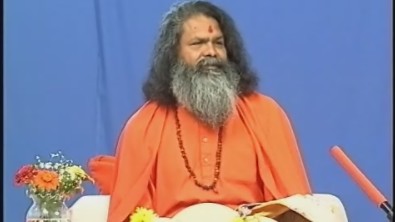
A narrative discourse exploring the inner conflict of Lord Śiva following Satī's test of Lord Rāma.
"Sometimes, to speak the truth is not easy. You hesitate to tell something; you do not want to lose face."
"Therefore, God, please, you can take everything away, or may I lose everything, but not one thing: my belief, my devotion to you."
The speaker recounts the mythological story where Satī, after testing Rāma by disguising herself as Sītā, lies to Śiva about her actions. Śiva, the knower of all, discovers the truth through his divine sight and is plunged into a profound inner conflict. He wrestles with a dilemma: to love Satī in her transformed state feels like a sin that would compromise his pure devotion (bhakti) to Rāma, yet he cannot reject his pure and faithful consort. The discourse uses this story to examine themes of truth, doubt, devotion, and the painful inner arguments that arise when faith is tested, concluding that only divine mercy can resolve such struggles.
Keep your energies pure
15:20 - 16:10 (50 min)
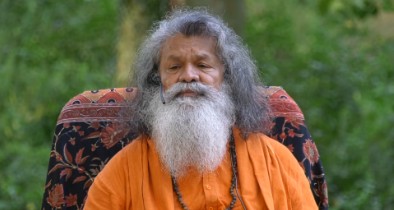
A spiritual seminar on purification and managing environmental energies in modern practice.
"In this spiritual yoga and life seminar, we are purifying all negative energies, negative thoughts, and the negative environment."
"Try to have no body-to-body touch. We have many foreign energies in our body, and we do not know from whom we got them."
Swami Anandpuri addresses the seminar, explaining how modern life fills individuals with impure energies from stress, electronics, and interpersonal contact. He emphasizes the importance of physical space, proper cotton clothing, and natural materials like kuśa grass for yoga practice to insulate against harmful "electronic smoke" and to recharge positive energy. The talk includes an attempted demonstration with an apple and plastic bag, and covers related themes of diet, non-competitive practice, and the cleansing power of mantras and prāṇāyāma.
Filming location: Vép, Hungary
Words express our devotion
16:15 - 16:30 (15 min)
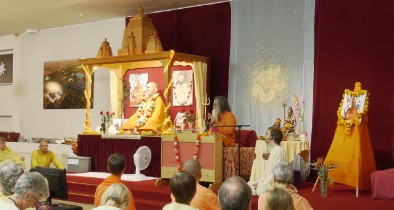
A satsang on the occasion of a holy incarnation day.
"It is said the divine comes to this earth. This is how we show our respect."
"Gurujī says: short and sweet. But we adore them, and that is why we give them glories."
A speaker addresses the gathering on the birth anniversary of their Guru, Swami Madhavānjī, referred to as Holy Gurujī. He reflects on the nature of divine names and incarnations, noting the simplicity of names like Śiva or Jesus, and contrasts transient worldly titles with the enduring respect for the divine essence. He mentions titles bestowed upon the Guru, like Hindu Dharm Samrāṭ, while emphasizing the underlying oneness beyond all designations. The talk concludes with a collective prayer.
Filming location: Strilky, Czech Republic
Bhajans for World Peace (1/3)
16:31 - 18:28 (117 min)
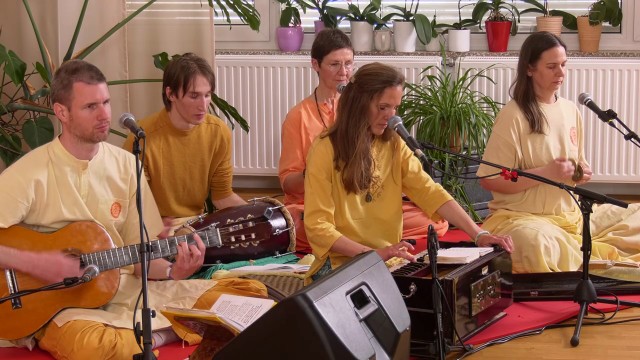
For world peace, first we need to find peace within ourselves. A recording of a live concert for world peace in YIDL center in Villach, Austria. Public concert lasted 6h with uninterrupted Bhajans. The concert was a part of a 24h of Bhajan Anushtana.
Bhajans for World Peace (2/3)
18:35 - 19:41 (66 min)
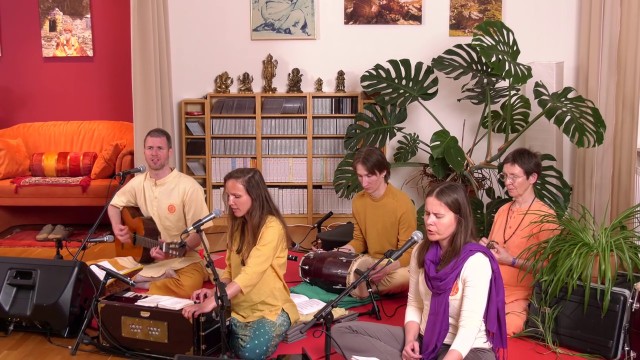
For world peace, first we need to find peace within ourselves. A recording of a live concert for world peace in YIDL center in Villach, Austria. Public concert lasted 6h with uninterrupted Bhajans. The concert was a part of a 24h of Bhajan Anushtana.
Two kinds of power
19:45 - 20:51 (66 min)
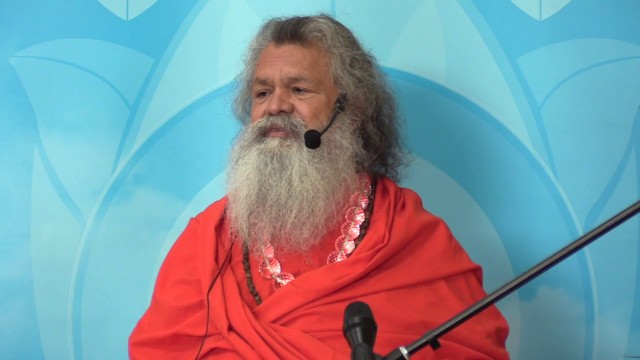
Morning satsang with Vishwaguruji from Brisbane, Australia. We need power for everything. Incarnations have a weapon and also a blessing in their hands. Both Siva and Shakti is power. Now in the Kali-yuga devils are awakened. Siva is the God of the devas and devils also. The negative and positive sides also are within us. A story about a tongue and a tooth. Pranayam always must begin in the left nostril. The ocean is the power of the Earth. All five elements have their power. We need power positive but hard. During meditation, we should see our inner world. Practice and heory are completely different. When we chant OM our tongue should be relaxed.
Discover peace and happiness within you
20:55 - 21:59 (64 min)
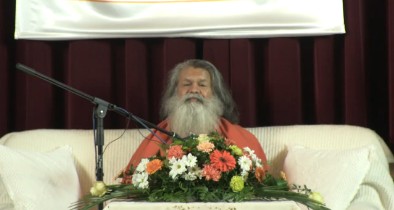
Vishwaguru Maheshwarananda Public Lecture, Kosice, Slovak Republic. Vishwaguruji reveals the secrets of our birth. We come from the beautiful Universe with peace and happiness within. This kind of realization is awakened by practicing meditation.
There is no yoga with meat and alcohol
22:05 - 23:04 (59 min)
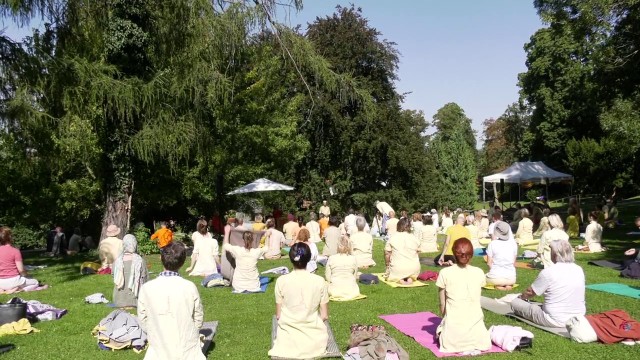
Sri Holy Guruji Jayanti Morning satsang with Vishwaguruji from Strilky Ashram, Czech Republic. Yogis have different techniques. But all of them are yoga. Many years ago, people in Europe didn't know what yoga is. Slowly people began to love animals more and they got more peace. Nowadays in many yoga schools they do not speak about meat and alcohol. Many people give up eating meat to be more healthy. Practising Bari Khatu Pranam, ashwini mudra, AUM chanting, relaxation in sashanka asana, bhramari pranayama and concentration.
The Divine Lineage of Alakpurījī: Saints, Siddhas, and the Eternal Guru
23:15 - 23:45 (30 min)
A discourse on the divine lineage of the Alakpurījī Siddha tradition.
"From time to time I incarnate in every yuga to protect the dharma, to liberate all the pure souls, and again to remove or destroy the āsurī śaktis."
"Guru Brahma, Guru Viṣṇu, Guru Devo Maheśvara, Guru Sākṣāt Para Brahma, Tasmai Śrī Guruve Namaha—the Guru Tattva, Śiva Tattva, Viṣṇu Tattva, and Brahma Tattva."
A spiritual teacher narrates from a high Himalayan valley, explaining the eternal Guru principle and the Nityāvatāra of great saints. He recounts the lineage from the ancient Alakpurījī to Devapurījī, then to Bhagavān Śrī Dīp Nārāyaṇa Mahāprabhujī, and finally to their Satguru, Swāmī Madhavānandapurījī, whose birth anniversary is being celebrated. The talk includes a parable about missing divine blessings and emphasizes surrender and patience on the spiritual path.
Filming location: India
The value and the aim of humanlife
23:50 - 0:19 (29 min)
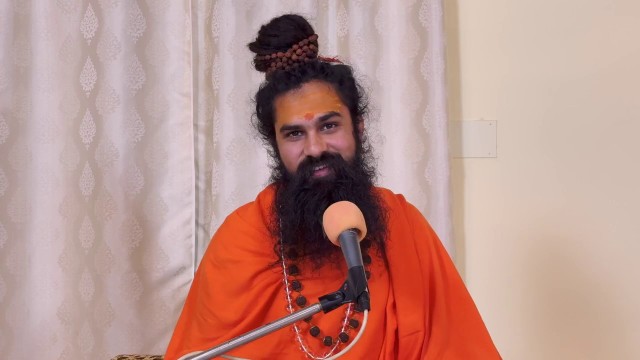
A spiritual discourse on the value of human life and the pursuit of self-realization.
"We do not know the value of a human life. When a merchant comes—like a divine master, a spiritual master such as Viśvagurujī—into your life, you have an experience."
"Our main aim as humans is to work for self-realization, for mokṣa, for jñāna, for brahma jñāna. Yet we are not working."
A speaker from the Oṁ Śrī Alagpuryā Siddha Pīṭha paramparā addresses a gathering at the Yoga and Daily Life center. He uses parables—a diamond mistaken for a stone and a king's exhibition—to illustrate how humans often miss life's supreme spiritual purpose while distracted by worldly attractions. He emphasizes that the aim of human life is self-realization, achievable by following the Guru's teachings, engaging in satsaṅg, and turning inward to discover divine energy and inner joy.
Filming location: Jadan, Rajasthan, India
American
Australian