
European
Practicing Yoga Asanas
1:00 - 1:41 (41 min)
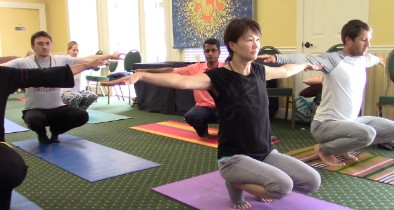
A yoga instruction session focusing on the practice and benefits of Vajrāsana and Vīrāsana.
"This Vajrāsana is designed especially to strengthen or to activate that Vajra Nāḍī."
"This will repair our digestion. This will repair our headache problems, also many, many things. This looks very simple, but it is very powerful."
An instructor guides students through the physical postures of Vajrāsana (thunderbolt pose) and Vīrāsana (hero pose), explaining their effects on the Vajra Nāḍī energy channel, digestion, and sciatic nerve. The session includes detailed alignment instructions, benefits for concentration and alertness, and transitions into other balancing postures and a forward bend before concluding.
Filming location: USA
The form of God is the vibration
1:45 - 2:45 (60 min)
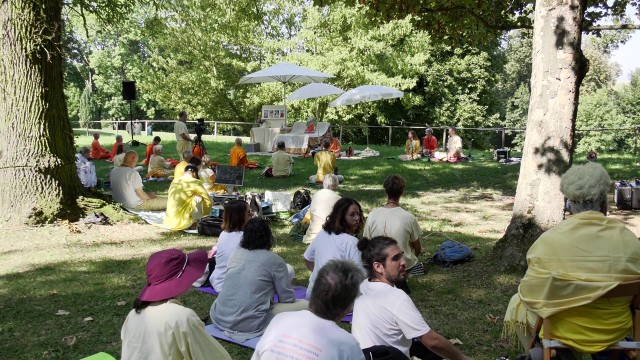
Morning satsang from Summer Yoga Retreat in Strilky, Czech Republic. Lecture by Swami Gajanandji about Om. Om is that on which yogis meditate all the time. Om is the original mantra, every other mantras should contain the Om. Chanting Om all together, and a short meditation on Om. Singing the bhajan about Om.
The Glory of Gurudeva's Name
2:50 - 3:09 (19 min)
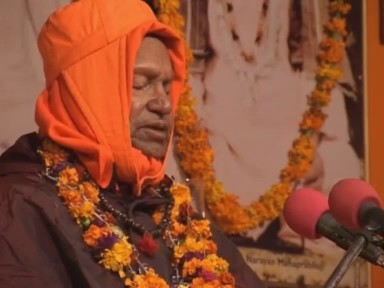
A satsang discourse on the essential role of the true Guru for liberation and bliss.
"Until today, no one in this world has attained the Ātmā-Paramātmā without Gurudev, and no one ever will." "If one chants the Guru's name with faith, one will surely reach the shore."
A speaker addresses the assembly, asserting that true happiness and Self-knowledge come only through grace of a Satguru. He illustrates this with stories of the powerful ascetic Sanghdev, who was liberated by Sant Gyaneshwar, and the egoistic tantric Bhaskarananda, who was humbled by Bhagavan Shri Dip Narayana Mahaprabhuji. The talk emphasizes that rituals and powers are insufficient without the Guru, who alone can dispel ignorance and bestow the bliss of liberation.
Filming location: Bari Khatu, Rajasthan, India
Shiva and the Chakras
3:15 - 4:40 (85 min)
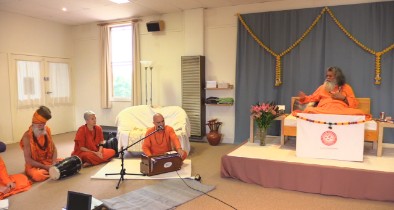
Evening satsang with Vishwaguruji from Melbourne, Australia. One of the best ways to memorize something is to create a little story about it. This is similar with songs. Vishwaguruji explains the meaning of the ancient story about the nectar of immortality rising from the churning of the ocean. The first lower chakras in the feet are the so-called earth chakras; chakras further up in the legs are connected with vegetation; and then continur up to the animal qualities.
Whole universe is in our body
4:45 - 5:36 (51 min)
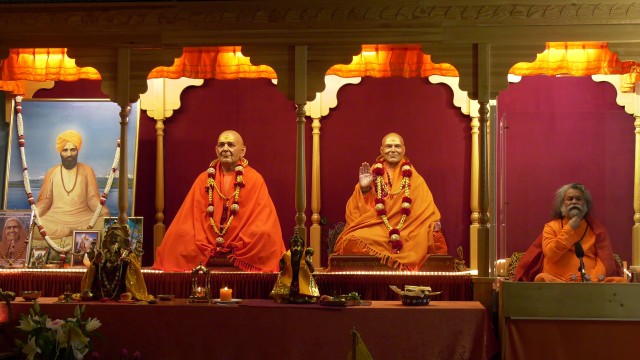
Evening satsang with Vishwaguruji from Vienna, Austria. Silent meditation and prayer with Vishwaguruji.
Time according to Vedas and Puranas I part
5:40 - 6:35 (55 min)
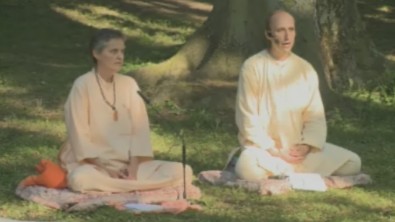
A lecture on the Vedic and Purāṇic concept of cyclical time.
"The concept of time, as understood by the Vedas and those ancient scriptures, is cyclical. Everything moves in a circle."
"One thousand Mahāyugas form one Kalpa... A Kalpa lasts 4.32 billion years. It is either Brahmā’s day or Brahmā’s night."
A speaker at a yoga retreat in Střílky explains the vast, cyclical time scales of Hindu cosmology. He details the durations of the four yugas, the Mahāyuga, and the Kalpa, describing the periodic dissolutions (Laya, Pralaya) and the roles of Brahmā, Viṣṇu, and Śiva. He draws parallels to modern scientific concepts like the expanding universe and the cosmological singularity, and shares a story about Indra to illustrate the transience of even divine positions.
Filming location: Strilky, Czech Republic
Mantras and Bhajans
6:40 - 7:20 (40 min)
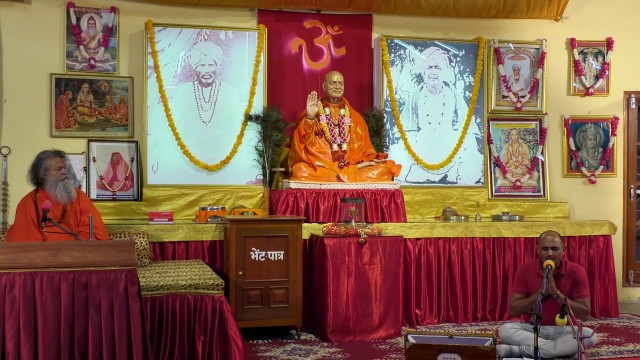
Evening satsang with Vishwaguruji from Jadan Ashram, Rajasthan, India. Singing bhajans and chanting mantras.
We need Gurudev
7:25 - 8:19 (54 min)
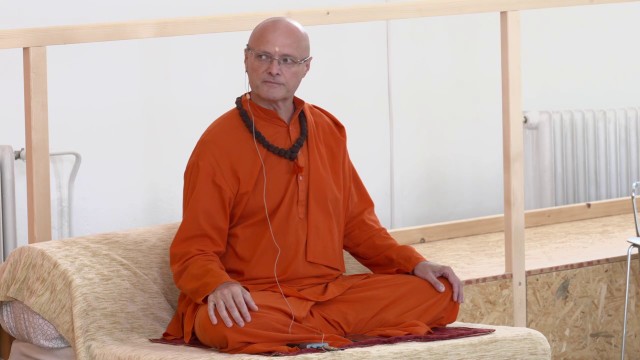
A satsang discourse on the necessity of the guru and the goal of Advaita philosophy.
"The moment you begin to think you have already heard and know everything, in that moment your free fall begins."
"Understand from this that the guru is not the physical body. It is most important to understand that the guru is that Guru-Tattva, the element of the guru."
A speaker leads a satsang, emphasizing the eternal student's attitude and the critical role of the embodied spiritual master (Guru-Tattva) as the essential guide. Using stories and analogies—such as the matchbox with a diamond, the friend with a boat, and the river merging into the ocean—the talk explains the guru's function and explores the ultimate goal of yoga: to transcend the cycle of rebirth and realize the Advaita (non-dual) union of the individual self with the cosmic Self.
Filming location: Strilky, Czech Republic
Awaken to Knowledge, O Residents of Bhārat
8:00 - 8:05 (5 min)
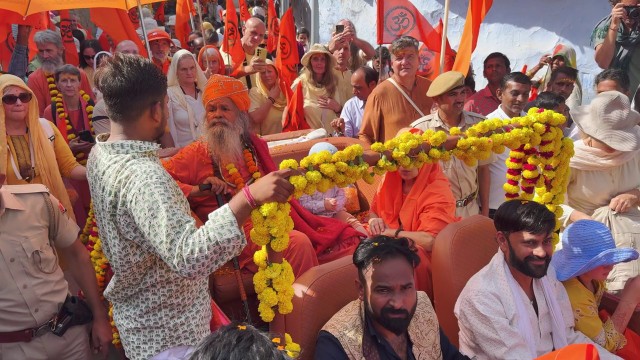
A spiritual address and subsequent analysis of its logical structure.
"Now, awaken to knowledge, all you desirous ones, residents of Bhārat. Do not follow any other religion."
"Do not destroy any doctrine, Jee. All you world-makers, now you awaken to knowledge."
The video presents a poetic, imperative call to the "residents of Bhārat" (India) to awaken to knowledge, learn from all people, and protect doctrines, followed by a critical textual analysis. The analysis highlights contradictions in the address, such as commanding exclusivity while forbidding the destruction of other doctrines, and notes ambiguous, shifting subjects and the unexplained introduction of the term "Nugrojī."
Filming location: Jadan, Rajasthan, India
Release your bad qualities
8:25 - 9:17 (52 min)
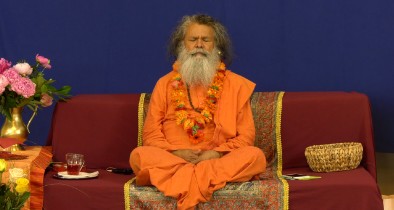
Morning satsang with Vishwaguruji from weekend Yoga seminar in Salzburg, Austria. Traditions are important and more or less similar in the whole world. The Austrian culture is very rich and beautiful. Many books of ancient Indian culture was destroyed by Moguls. We can digest everything except the truth. Tell honestly yourself your negative qualities. Remain natural as it is. Culture and education we should get from our parents. Short meditation how to turn negative to positive.
The Ocean of Grace
9:00 - 9:09 (9 min)
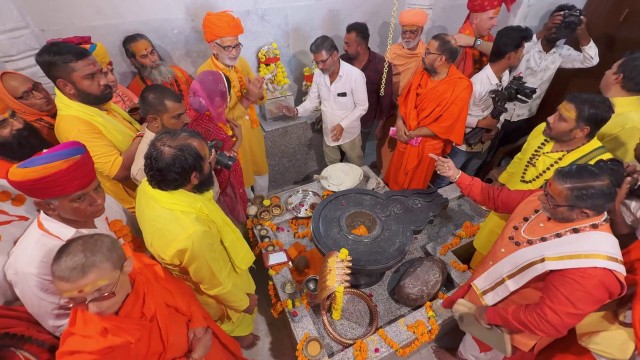
A devotional hymn and a subsequent analytical commentary on its text.
"Guru Devanī Sabke Sarjana Harā Hai, Namo Namo." "Kṛpā Sindhu Nāra Rūpa Harī Jag Meliyā Avatāra Hai, Jīva Kāraṇa Kāraṇa Svāmī."
The video presents a hymn, "The Ocean of Grace," praising Gurudeva Nirañjana as the supreme creator and destroyer. This is followed by a section titled "Remarks on Logical Inconsistencies," which critically analyzes the hymn's grammatical ambiguities, shifting divine address, and conceptual tensions between themes of destruction and divine causation.
Filming location: Jadan, Rajasthan, India
How to coordinate with the outer world, Vep
9:25 - 10:15 (50 min)
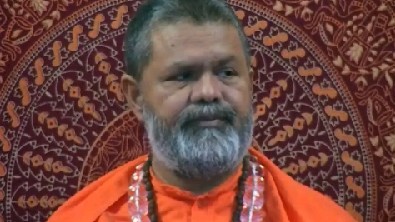
A spiritual discourse on the foundational principles of sādhanā (spiritual practice).
"Practices alone will not help us. They can only be fruitful if we follow physical and mental principles. These are called Śayamit and Niyamit."
"Viveka is that which will divide truth and untruth completely... who has viveka all the time is the happiest and safest person."
The speaker explains the core disciplines for a spiritual life: Śayamit (self-control and setting boundaries) and Niyamit (daily discipline). He details how these practices, along with regular prayer (sandhyā), purify the mind and senses. The discourse emphasizes the critical role of viveka (discrimination) in distinguishing truth from untruth, leading to the discovery of the inner fountain of joy and the immortal Ātmā.
Filming location: Vép, Hungary
How can we go on the path of spirituality?
10:00 - 11:23 (83 min)

Evening satsang from Jadan Ashram, Rajasthan, India. Mahamandaleshwar Swami Atmanandpuriji speaks about how we are lucky to be born as humans, and we are luckier that we have a living Guru who helps us to reach our aim. Translation and explanation of the isa upanisad by swami Gyaneswar Puri. Introduction to the spirituality step by step according to vedas and upanisads by Acarya Mahamandaleshwar Swami Asokanandaji.
How to use the mantra
10:20 - 10:58 (38 min)
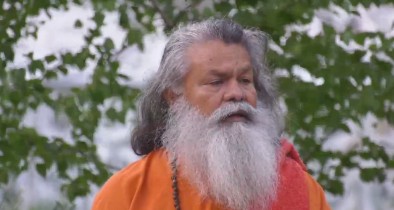
A spiritual discourse on the power and techniques of mantra chanting.
"The chanting of the name of God, spiritual songs, or a saint’s name brings peace of mind."
"When you chant mantras, it creates a resonance. That resonance spreads into the environment, purifying it."
Swami Ji explains the profound effects of mantra practice on purifying the individual and the environment. He details five techniques: writing (likhit), audible chanting, whispered repetition (upāṁśu), mental repetition (mānasik), and spontaneous repetition (ajapa). The talk connects mantra resonance to the body's chakras, warns against spiritual greed, and concludes with a call to practice and a group chant.
Filming location: Strilky, Czech Republic
Beauty is in our heart
11:05 - 11:53 (48 min)
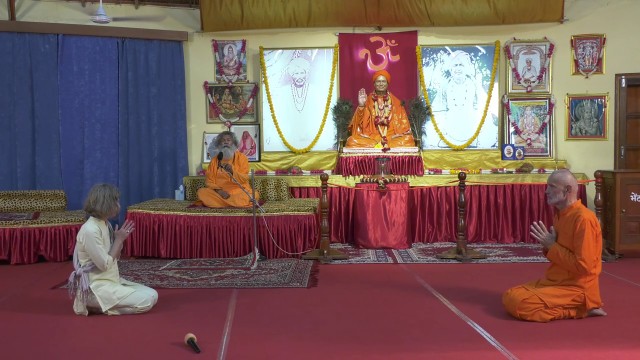
Evening satsang with Vishwaguruji from Jadan Ashram, Rajasthan, India. Yogis don't eat meat and don't drink alcohol. Nowadays there are many people in the world who don't eat meat. Practising Bari Khatu Pranam, relaxation, concentration om tha navel, bhramari pranayama and concentration on the heart. Beauty is in our heart.
Part 1: Yoga, Faith, and Integration: A Personal Journey and Panel Discussion
12:00 - 13:04 (64 min)
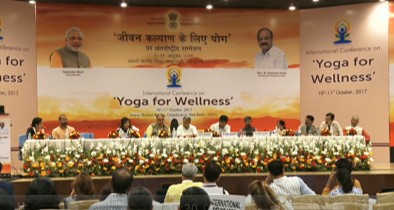
A personal testimony on faith-based yoga healing and a panel discussion on integrating traditional medical systems.
"I refused chemotherapy, radiotherapy, and surgery... I believed those fresh, positive thoughts in my consciousness would bleed down into my nervous system and start to talk to my cells."
"Yoga is not about the āsana. Why not? It is about God. If you allow God's energy to run into your system... God will provide the miracles."
Neil Patel shares his personal journey of using yoga and conscious thought to survive cancer for 18 years after refusing conventional treatment. Following his testimony, a moderated panel featuring practitioners of Homeopathy, Ayurveda, Siddha, and Yoga discusses pathways to integrate these AYUSH systems with modern medicine for holistic wellness. Key themes include treating the whole person, cost-effective care, managing non-communicable diseases, and yoga's role in raising consciousness beyond mere physical health.
Filming location: Delhi, India
Mantra and Mala
13:10 - 13:48 (38 min)
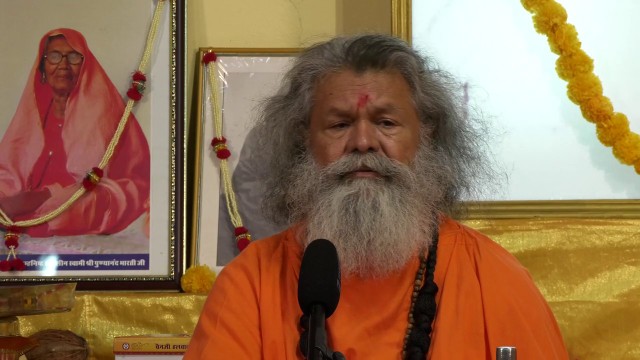
A spiritual discourse on the use of prayer beads (mala) and the practice of mantra.
"Life is everything. Whether it is a human, a cow, a buffalo, a goat, or any being... its soul, that Ātmā, is to see our Self."
"One mala means for us one step toward God. One step to God. This mala goes with mantra."
A speaker delivers a teaching on spiritual practice, emphasizing reverence for all life and the importance of constant remembrance of God. He explains the purpose of the mala as a tool for mantra repetition, detailing two methods: one with a guru bead for seated practice and another for constant, walking remembrance (sumaran). He shares anecdotes about devotion, including a story about Hanuman, and concludes by describing the ultimate goal of merging with divine light.
Filming location: Jadan, Rajasthan, India
The Light of Life and the Path to Liberation
14:15 - 15:08 (53 min)
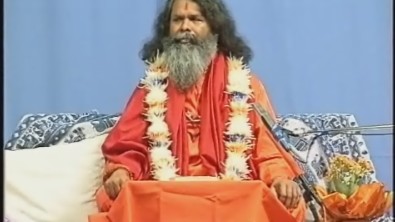
An evening satsang on the purpose of human life and the path to spiritual liberation.
"Everything in this world is possible easily, but it is rare to come to satsaṅg or spiritual activities."
"Spirituality is purity, clarity, pure consciousness, pure mind, pure thoughts, pure behaviors. Purity is very important."
The lecturer addresses an audience, welcoming them as fortunate souls in the Kali Yuga. He explores the unique value of human birth, urging self-inquiry and the cultivation of divine qualities like love and tolerance over mere intellectual knowledge. He discusses overcoming unhealthy dependencies, the nature of true love, and the ultimate goal of realizing the divine consciousness within, touching on concepts of karma, chakras, and non-duality.
Filming location: Umag, Croatia
The Youth for Sustainable Future
15:15 - 15:49 (34 min)
The 4th International Conference of Children and Youth in Zlin 2005 (CZ), The Youth for Sustainable Future.
Be joyful
15:55 - 16:22 (27 min)
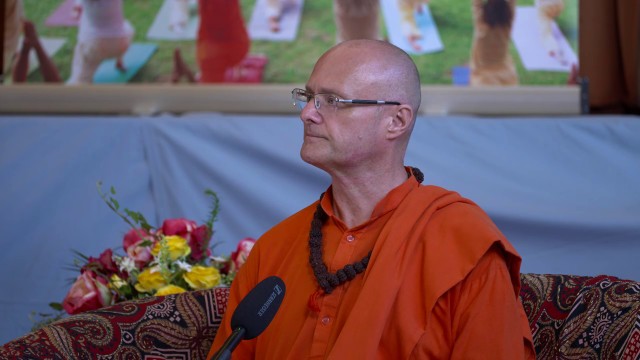
A satsang discourse on the spiritual significance of a guru's birthday, drawing parallels to Christmas.
"I recall Swāmījī saying, 'I was observing one person who was practicing Kriyā under the tree.'"
"For us, the day of incarnation of Mahāprabhujī, the day of incarnation of Swāmījī, Gurujī, is Christmas. But even more than Christmas, because that is our guru."
A spiritual teacher addresses a gathering, explaining why the birthday of a guru is a sacred celebration akin to Christmas. He emphasizes the necessity of a living guru for correct spiritual practice and describes the Guru Tattva (the essence of the guru) as a pure, divine light within a physical form. He explains how devotees can connect to this energy through satsang, devotion, and bhajans, transforming their own energy and creating a joyful spiritual life. The talk includes practical advice on using prayer, song, and positive thinking to change one's internal state and the surrounding atmosphere.
Filming location: Vép, Hungary
Bhajan evening from Jadan Ashram
16:30 - 17:09 (39 min)
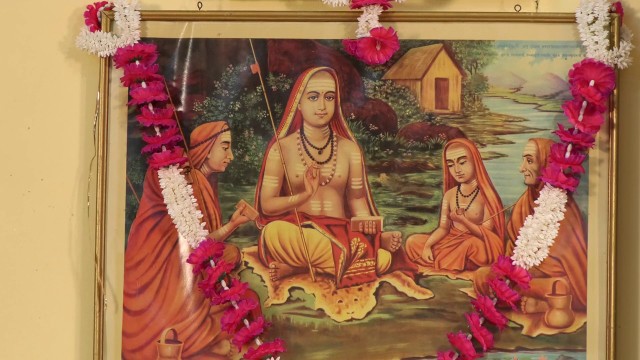
Evening satsang with Vishwaguruji from Jadan Ashram, Rajasthan, India. Singing bhajans.
Bhajan - Dhyan Karo
17:15 - 17:25 (10 min)
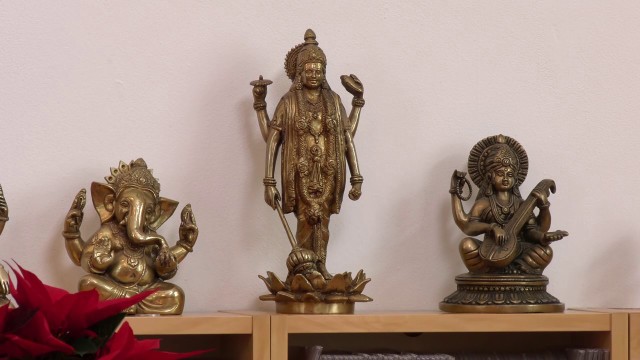
Recording from the morning satsang with Vishwaguruji in Villach, Austria.
Bhajan Singing from from Strilky
17:30 - 18:22 (52 min)
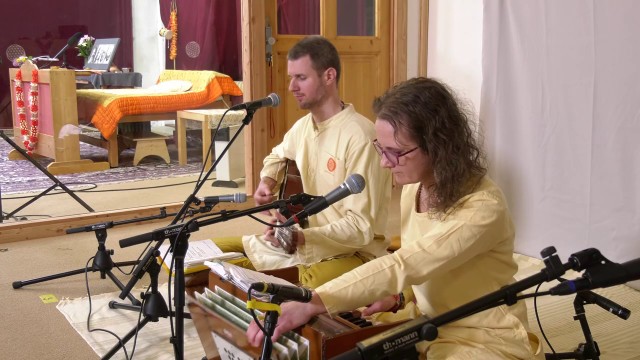
Evening satsang with Vishwaguruji from Strilky Ashram, Czech Republic.
Bhajan evening in Jadan Ashram
18:30 - 18:52 (22 min)
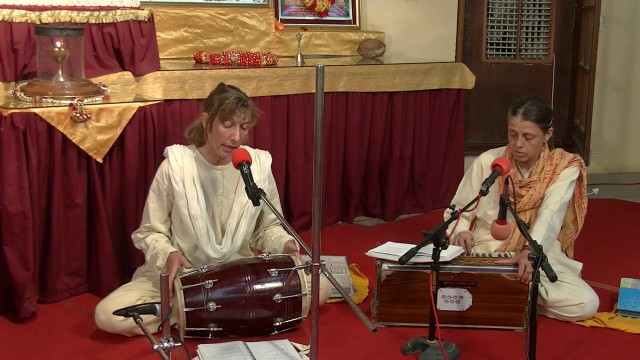
Evening satsang with Vishwaguruji from Jadan Ashram, Rajasthan, India. Bhajan singing.
Bhajan singing from Jadan Ashram
19:00 - 19:35 (35 min)
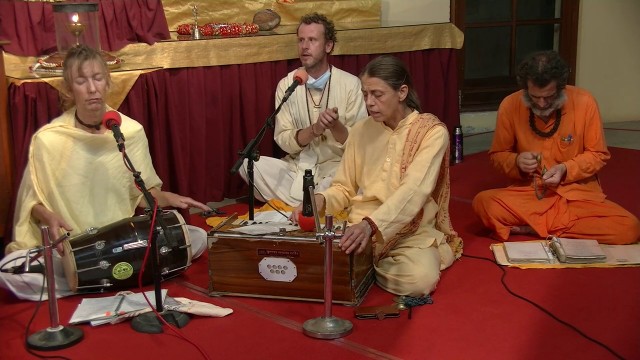
Evening Satsang with Vishwaguruji from Jadan Ashram, Rajasthan, India. Singing bhajans.
The Guru can change our destiny
19:40 - 20:02 (22 min)
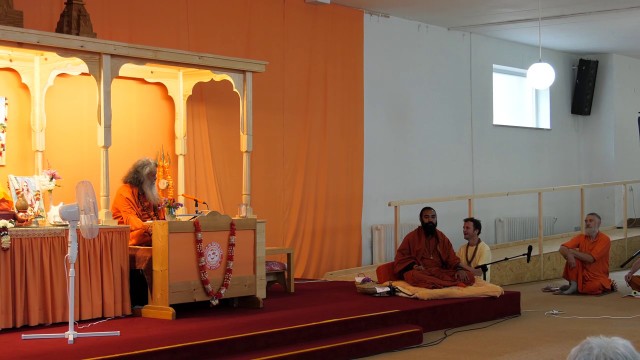
A spiritual discourse on the guru's power to transform destiny.
"Everything depends on our karmas... What is written for you, what is written in your destiny, that is what is going to happen."
"Guru Kṛpāhi Kevalam... So this is Guru Kṛpā. The guru is the one who can actually change your destiny if he wants."
The lecturer narrates a traditional story from Holī Gurujī about a king's guru and the Vedāntā, the deity who writes destiny. The tale illustrates how a guru's compassion and clever guidance can alter the seemingly fixed fate of two princes, demonstrating the supreme grace of the guru. The discourse emphasizes the guru's equal love for all, regardless of status.
Filming location: Strilky, Czech Republic
Success in Yoga
20:10 - 21:25 (75 min)
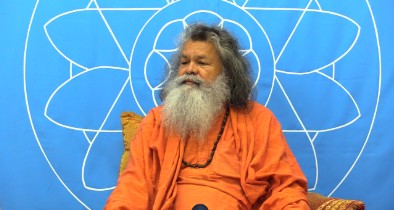
A spiritual discourse on the essence of yoga, cosmology, and the path to liberation.
"If you practice yoga or pursue any goal in life, you need a master to achieve it."
"Yoga is a lifelong journey... Yoga is ancient, the very first element in creation, given by God, by Śiva."
The speaker delivers an extensive teaching, weaving together the origins of yoga from Śiva, the divine trinity of Brahmā, Viṣṇu, and Śiva, and the symbolic journey of the Kuṇḍalinī through the chakras. He uses stories from the Mahāśivapurāṇa, analogies from nature, and personal anecdotes to illustrate the necessity of a true Satguru, the perils of wrong association (ku-saṅgha), and the disciplined, lifelong commitment required for authentic spiritual practice.
Filming location: Sydney, Australia
The way how yoga is helping us
21:30 - 22:33 (63 min)
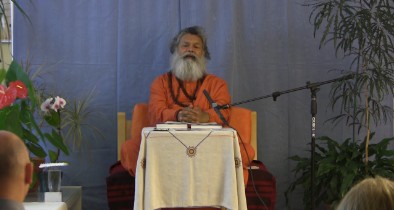
A lecture on the chakra system and spiritual purification.
"The human birth and human body possess very special abilities and a most powerful tool: the intellect. Through our intellect, we can discover all our hidden powers."
"Before we awake or open the chapter of the chakra... [there are] three negative points to address... mala, vikṣepa, and āvaraṇa."
Swami Paramananda leads an evening satsang from the Yoga and Life Ashram, continuing a series on the chakras. He explains the human body's subtle anatomy, including the 72,000 nerves and the three primary nāḍīs (Iḍā, Piṅgalā, Suṣumṇā). The core teaching focuses on the three obstacles to spiritual awakening: impurities (mala), mental disturbances (vikṣepa), and the veil of ignorance (āvaraṇa). He details methods for purification through Haṭha Yoga techniques, control of the senses, and satsang, weaving in stories and analogies about the mind, karma, and the goal of liberation beyond the cycle of birth and death.
Filming location: New York, USA
Pollution
22:40 - 23:41 (61 min)
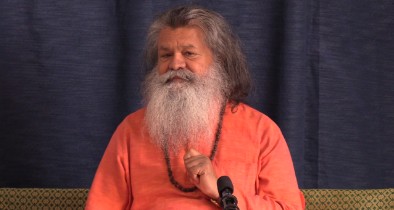
A spiritual discourse on the five sheaths (kośas) and the impact of nourishment.
"Jaisā khāī annā, vaisā rahe man—what kind of nourishment or food you are eating—like that will turn your mind."
"So first is the physical nourishment, Annamaya Kośa... What kind of food you will eat, like that will be your mentality."
Swami Ji explains the five layers of human existence, beginning with the food sheath (Annamaya Kośa). He emphasizes how diet shapes one's energy, mind, and consciousness, weaving in critiques of modern food systems, historical anecdotes about pre-industrial community life, and cautionary tales about arguing with a spiritual master. The talk uses the symbol of the crocodile in the Svādhiṣṭhāna chakra to represent destructive emotions.
Filming location: Auckland, New Zealand
Anahat chakra and spirituality
23:45 - 0:53 (68 min)
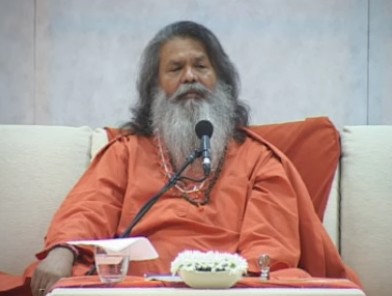
In the city of Celje, Slovenija in the blue hall of the fair center, Swamiji had a lecture on the topic of Anahat chakra and Spirituality on the 5th October 2008.
American
Australian