
European
Everything is in our heart
0:20 - 0:33 (13 min)
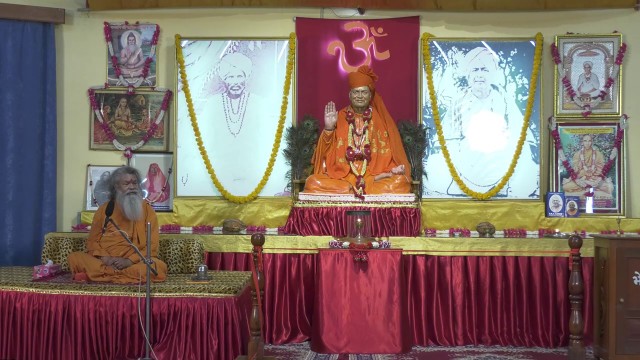
A spiritual discourse reflecting on the grace and presence of the guru through personal anecdotes.
"Please don't, Swāmijī, don't let them take this. Gurujī said, 'Don't worry, let them eat.'"
"What is the guru? What is the sādhu? And what is there, and how it is?"
The lecturer shares a series of recollections and stories involving Mā Prabhujī, Mahāprabhujī, and other spiritual figures, illustrating the mysterious and abundant grace of the guru. He recounts an incident where Gurujī allowed cows to eat from a field, which later resulted in more abundance for the owner. The talk meanders through various memories, highlighting the deep devotion of disciples and the pervasive, guiding presence of the guru in all aspects of life.
Filming location: Jadan, Rajasthan, India
The Three Auspicious Times and the Path of Yoga
0:40 - 1:37 (57 min)
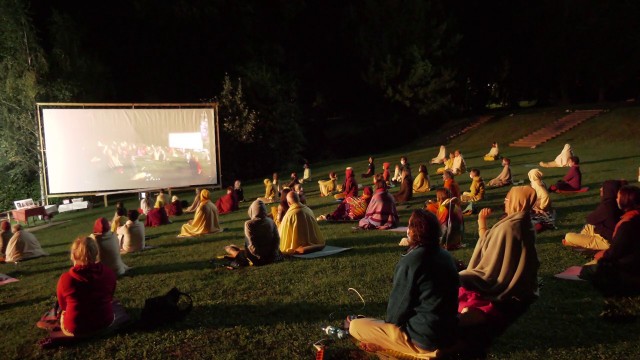
A spiritual discourse on auspicious times, the guru principle, and the foundational practices of yoga.
"The first is in the morning, from before sunrise until half an hour after the sun rises. This is known as Brahma-muhūrta."
"Yoga is that balance, harmony, courage, and our consciousness within."
A spiritual teacher addresses a gathering, first explaining the three most auspicious times for prayer (morning, midday, and sunset). He then discusses the omnipresence of the guru principle in all forms of learning and divinity, before guiding the audience through the core elements of yoga practice. This includes the importance of the physical body, a detailed explanation and demonstration of basic prāṇāyāma techniques for purifying the energy channels, and the progression through āsanas, prāṇāyāma, and meditation towards self-realization.
Filming location: Strilky, Czech Republic
Marriage has its proper time and order
1:45 - 3:24 (99 min)
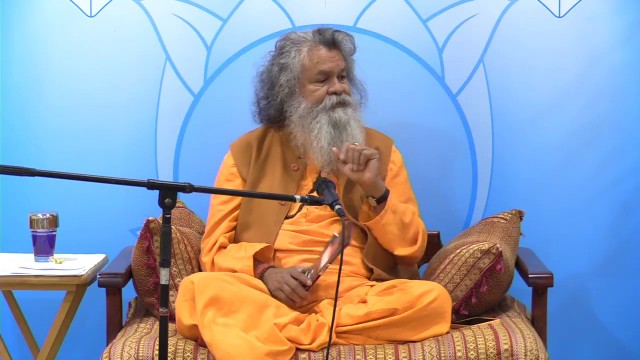
Evening satsang with Vishwaguruji from Sydney Ashram, Australia. Bhajan singing and explanation. Swami Jasraj Puri introduces our Masters and our parampara and their Ashrams and that territory of India. Indian people know many bhajans. There are many languages in India. Everything has its proper time to do. Marriage also has its proper time. In India, a boy and a girl should marry only if the family and a pandit also agreed with that. If you married in a church you should be faithful your whole life to your partner. Nowadays many people leave their partner and it brings many problems for children. The story of a boy and a girl who loved each other but they had a problem with the bread. Practising some simple exercises and bhramari pranayama.
Take God in your heart
3:30 - 4:51 (81 min)
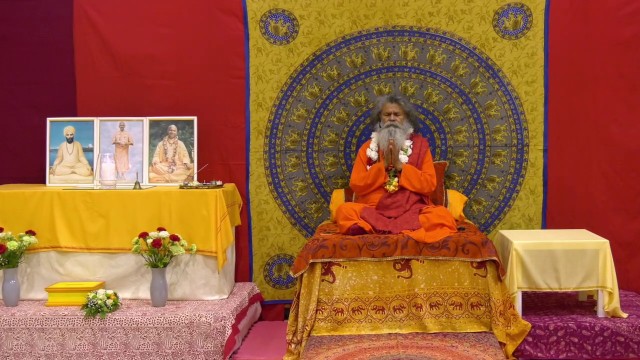
Evening satsang with Vishwaguruji from Szeged, Hungary. The blessings of the Gurus and Rishis are like a passport to move with. Sri Alakhpuriji lived in the time of Shiva. We all know the name of the one who brought the fire. Take God in your heart, do not say bad things about others. Practising Ashwini mudra, AUM chanting and bhramari pranayama.
Diwali Satsang with Vishwaguruji
4:55 - 6:10 (75 min)
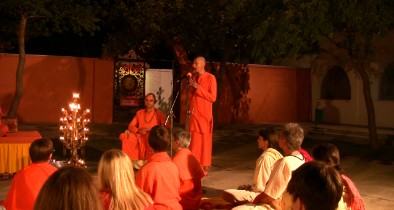
Evening satsang from Jadan Ashram, Rajasthan, India.
We have to become united in Oneness
6:15 - 7:32 (77 min)
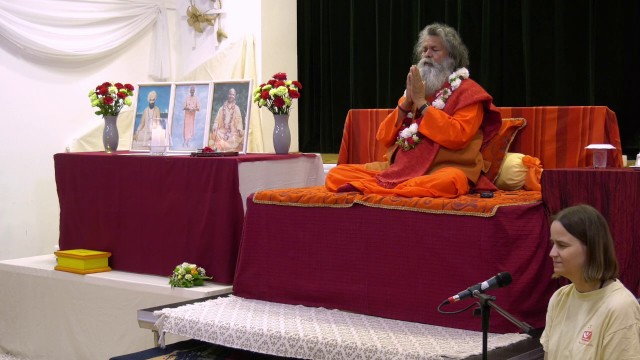
Evening program with Vishwaguruji from Szeged, Hungary. We have our destiny in which it is written when and where we are. The story of a boat in the ocean and a bird. It is in our fate that we want to reach God. We are like a bird coming and going. Life is only temporary. Every living creature has its fate and life. Become one with all. At the end, a drop of water arrives at the ocean and becomes one with it. When we die, our soul goes from the body, which is like a stone falling down. Some of us go towards the pure Light and others come back again. There is only one door when we leave our bodies. Nowadays children don't accept the advice of their parents. Don't kill anyone and don't speak negative words. Practising AUM chanting, bhramari pranayama and some simple asanas.
Mahaprabhuji's Birthday Satsang
7:40 - 8:19 (39 min)
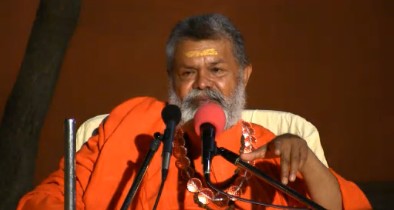
A spiritual discourse on Diwali, the lunar calendar, and the principle of the Guru.
"In Vedic culture, the heavens and astrology are correctly correlated according to the moon, not the sun."
"Guru is known as Nityāvatāra... 'Gu' means darkness, and 'ru' means light."
A spiritual teacher delivers a talk connecting the Diwali festival to lunar cycles and the nature of the mind. He explains the Vedic cosmological principles of Brahmā, Viṣṇu, Śiva, and Śakti, culminating in the supreme role of the Guru (Gurur Brahmā, Gurur Viṣṇu...). He stresses the importance of the disciple's faith and obedience to the Guru's word (vākya) as the true path to liberation, illustrating points with stories of Bhagavān Śrī Dīp Nārāyaṇa Mahāprabhujī and other masters.
Filming location: Jadan, Rajasthan, India
Bhagwan Sri Deep Narayan Mahaprabhuji
8:25 - 9:32 (67 min)
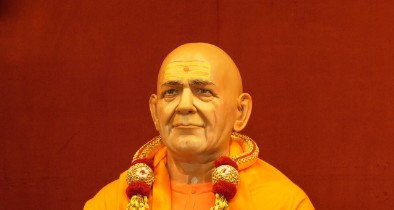
Mahaprabhuji's Mahasamadhi anniversary satsang. Singing and translation of the bhajan, 'Prakash Punj Amrita Ke Sagar' - written by Holy Guruji about His master, Bhagwan Sri Deep Narayan Mahaprabhuji. Brahman is the everlasting and eternal Light. Its Saguna, form, is the most important for discilples. Because of negative thinking and impurities, some are not able to realize this. Vishwaguruji explains the mantra, Om Prabhu Deep Niranjan Saba Dukha Banjan, and tells his experineces with Sri Mahaprabhuji.
Rama and Hanuman
9:40 - 10:56 (76 min)
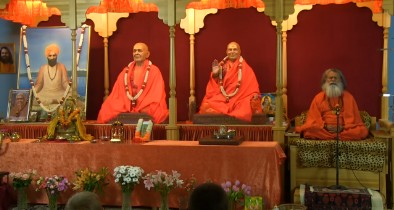
A spiritual discourse on the significance of the full moon, the science of fasting, and a teaching story about Hanuman.
"The full moon is a symbol of completeness. Pūrṇamadaḥ, pūrṇamidaṃ... We are Pūrṇa, perfect."
"One poet said, 'The thread of love doesn't break with some misunderstanding. When it is broken, the thread you can't join anymore back.'"
The speaker begins by explaining the moon's influence on nature and human physiology, advocating for fasting on full moon days for spiritual and physical health, including specific dietary recommendations. The talk then transitions into a detailed narrative from the Ramayana, focusing on Hanuman's unwavering devotion and a lesson on ego. The story describes how Sita's moment of doubt and Hanuman's subsequent pride were gently corrected by Lord Rama, culminating in the revelation of Rama and Sita residing in Hanuman's heart.
Filming location: Vienna, Austria
Practicing of the system 'Yoga in Daily Life', Level 1 - Part 4
11:00 - 12:04 (64 min)
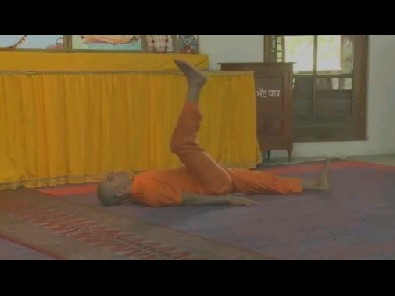
Practicing of the system "Yoga in Daily Life", Level 1 - Part 4, in Om Vishwa Deep Gurukul Swami Maheshwaranand Ashram, Jadan, Rajasthan, India on 23rd of October 2009.
The way to the Light
12:10 - 13:14 (64 min)
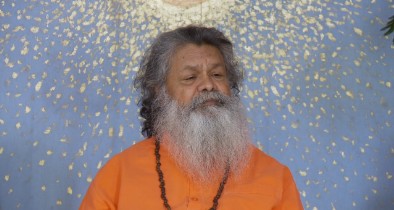
A spiritual discourse on the essence and power of satsaṅg, or holy company.
"Sat means truth. That truth is what we call brahma satya, jagat mithyā. The real reality and truth is Brahman, and this world is only temporary."
"Through human life, you can get rid of all bad karmas and attain realization to become free, to return to that original light."
Swami Maheshwarananda delivers an evening talk, defining satsaṅg as the company of truth and spiritual knowledge. He explains the journey of the soul through various births, the role of human intellect and karma, and the critical importance of positive association and education in shaping one's spiritual destiny. Using parables and humor, he contrasts satsaṅg with negative company (kuśaṅga), warning against temptations like addiction. The talk concludes with a call for good resolutions and blessings during the Christmas season.
Filming location: Slovenia
The Serpent's Blessing: A Story of Kuṇḍalinī
13:20 - 14:15 (55 min)
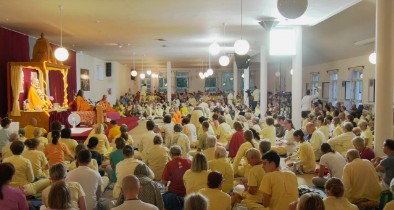
A satsang on the spiritual concept of Kundalini energy, using storytelling and cautionary advice.
"Don't run behind such things."
"God will give us what we need. And when God is giving, he is giving."
He narrates a detailed, allegorical story about a man who, seeking Kundalini awakening, is given a flute by a master, uses it to attract a cobra, and then loses the snake to a hypnotized monkey. The story serves as a warning against frivolous or greedy seeking of spiritual powers.
Filming location: Strilky, Czech Republic
Keep the light
14:20 - 15:22 (62 min)
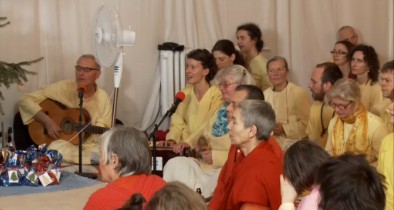
Evening Satsang with Swamiji from Strilky, Czech Republic. In order to remove negative qualities and cultivate positive ones, we should keep the light in our heart. Light gives us bright, positive thoughts. We can find the way in the shelter of Gurudev.
The Blessings of Seva and Spiritual Resilience
15:30 - 16:06 (36 min)
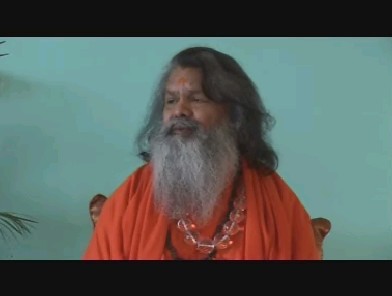
A satsang discourse on the blessings of selfless service (seva) and spiritual resilience.
"When you are doing seva, you are not doing it for others, but for yourself, because you will get it back a thousand times."
"When the comfortable path was, I just walked beside you. But when the thorny, stony way came, I walked and carried you in the hollow of my palm."
The lecturer addresses a global audience, beginning with observations on daylight saving time before focusing on the holistic benefits of a yogic life. He explains the principle of karma yoga and seva, emphasizing that selfless work is a direct path to divinity and personal spiritual growth. Using parables, including one of a man walking with God through difficult terrain, he teaches that divine support is constant, especially during hardship. He shares an anecdote about Holy Gurujī being instructed to travel and teach, illustrating the lesson of complete trust in the guru.
Filming location: Sydney, Australia
I am Thine
16:10 - 16:54 (44 min)
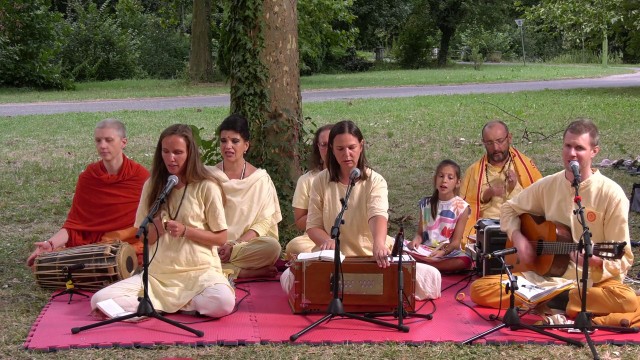
Evening satsang with Vishwaugurji from Vep, Hungary. Singing bhajans Sajjana vali lage sa, Kya tum jano hala hamara. Singing and translation of bhajan Prema ka pyala hari kaba mera bharase. Mahapraphuji say many times, that he will fill the heart of Bhaktas. Singing bhajan Ceta Ceta, ab jiva agyani.
Keep your energies clean
17:00 - 17:54 (54 min)
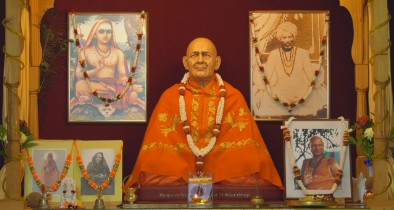
A concluding satsang on the five bodies (kośas) and destiny, following a yoga retreat.
"On every grain is written the name of the one who will eat it."
"Destiny is playing with us. Nothing we can do, and we do not have free choice. What happened will happen."
Swami Anandpuri addresses attendees at the end of a multi-week Anuṣṭhāna retreat. He emphasizes the need for daily yoga practice, likening it to athletic training. The core teaching explores the five bodies, starting with the physical Annamaya Kośa (body of nourishment). He illustrates the concept of pre-ordained destiny (kismet) with two detailed stories: one about a grain of rice destined for a king, and another about a chickpea destined for a chicken. He briefly introduces the other four bodies—Prāṇamaya (energy), Manomaya (mind), Vijñānamaya (intellect), and Ānandamaya (bliss)—stating he will elaborate on the latter two in a future seminar. Practical advice is given on respecting food, performing āsanas with understanding, and choosing natural materials for clothing and hair to benefit the energy body.
Filming location: Strilky, Czech Republic
Guruji is Divine Light
18:00 - 18:36 (36 min)
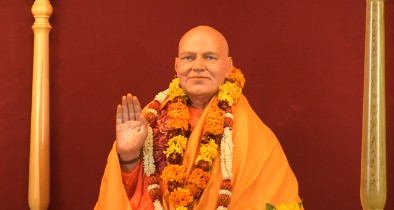
A personal discourse on Guru Bhakti, shared on the incarnation day of the speaker's master.
"The meaning is the same, but the person is the same while the inner being is different. So, it is holy Gurujī's divine incarnation."
"Guru Bhakti is the highest, greatest, divinest, and most successful... All knowledge comes through Guru Kṛpā."
Swami Maheshwarananda (Swamiji) addresses a gathering, reflecting on his first divine encounter with his Guru as a child and the profound training that followed. He describes the transformative power of the Guru's love and protection, illustrating the principles of Guru Bhakti with personal stories, including his Guru's strict discipline, the transfer of spiritual wisdom, and visionary experiences. He concludes with an account of his Guru's passing and the enduring presence of his blessings.
Filming location: Vienna, Austria
Rajasthani bhajan evening
18:40 - 19:41 (61 min)
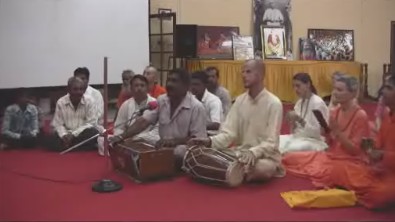
The beauty of devotional bhajan chanting. Bhajans are spiritual songs. Kirtans are repetitions of Gods name, again and again. Mantras liberate and satisfy our mind. Dohas are poems which gives answers to questions. While chanting bhajans, in our body, mind and intellect, a very beautiful vibration awakens and we are one with it if we have bhava. Bhava means devotion, concentration, interest, one with it. Then the vibration awakens our consciousness and we enter a transcendental process. If we do not have bhava, then there is no effect. While chanting bhajans we get immense of wisdom, many answers and guidance. Satsang is the source of happiness. Satsang with Swamiji from Jadan, Rajasthan, India.
How our fate brings us to yoga
19:45 - 20:50 (65 min)
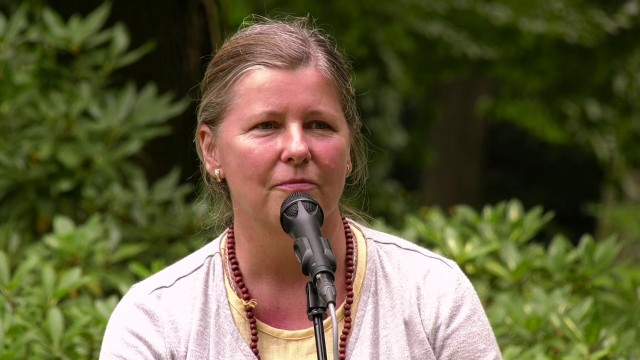
A personal narrative shared on a guru's birthday, detailing a spiritual journey from Moravia to America and meeting the guru.
"I never liked yoga and was never interested in it. I did not even know what yoga was when I was 20."
"With the Guru Kṛpā, with the blessing of my Gurudev and meeting him, it was almost as if he had awoken some knowledge from the past."
Swami Amrit Sagar, at the request of Vishwa Guruji, recounts her life path. She describes her early life in Moravia, an unplanned move to America, a career on Wall Street, and a debilitating spinal injury that led her to yoga. She narrates the pivotal moment of discovering a book online, which led her to fly to New Zealand to meet Vishwa Guruji, receive a mantra, and eventually open an ashram in San Francisco. She reflects on teaching Yoga in Daily Life in American culture, the impact of the pandemic, and the transformative power of spiritual practice in daily life.
Filming location: Strilky, Czech Republic
Diwali festival
20:55 - 21:33 (38 min)
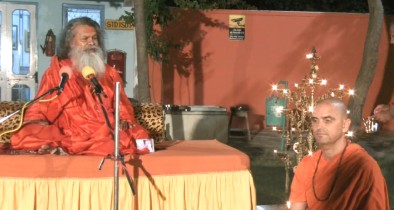
Evening satsang with Vishwaguruji from Jadan Ashram, Rajasthan, India. India is holy. India should not lose its culture and traditions. Diwali is a very special time to do something for everyone around us and start the new year in a good way.
Knowledge is the Light
21:35 - 21:57 (22 min)
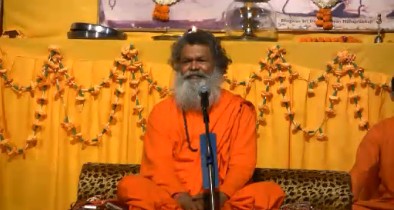
A Guru Pūrṇimā discourse on spiritual knowledge, culture, and Sanātana Dharma.
"Without knowledge, one is like an animal. Knowledge is the light, and ignorance is the darkness."
"Guru Pūrṇimā is a festival of culture. To protect culture is to have a living culture. Sanātana Dharma is a living dharma."
A spiritual teacher delivers a talk for Guru Pūrṇimā, emphasizing the guru's role in leading from ignorance to knowledge and imparting Sanātana values. He argues that true education is spiritual, laments the neglect of native languages and culture in favor of English, and stresses the eternal nature of the guru-disciple relationship. The talk concludes with practical announcements for the ashram schedule.
Filming location: Jadan, Rajasthan, India
Around the world - Khatu pranam
22:00 - 22:34 (34 min)
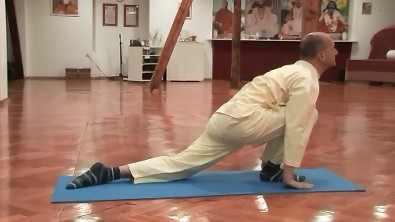
The story of Sri Mahaprabhuji and Khatu Pranam exercise. Produced by Sri Devpuriji Ashram in Zagreb, Croatia. Partially subtitled in Engish.
Knowledge is the Light
22:40 - 23:02 (22 min)
A Guru Pūrṇimā discourse on spiritual knowledge, culture, and Sanātana Dharma.
"Without knowledge, one is like an animal. Knowledge is the light, and ignorance is the darkness."
"Guru Pūrṇimā is a festival of culture. To protect culture is to have a living culture. Sanātana Dharma is a living dharma."
A spiritual teacher delivers a talk for Guru Pūrṇimā, emphasizing the guru's role in leading from ignorance to knowledge and imparting Sanātana values. He argues that true education is spiritual, laments the neglect of native languages and culture in favor of English, and stresses the eternal nature of the guru-disciple relationship. The talk concludes with practical announcements for the ashram schedule.
Filming location: Jadan, Rajasthan, India
Yoga for the physical body and beyond
23:10 - 23:32 (22 min)
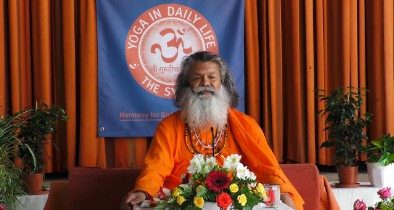
A morning satsang at a summer retreat discussing the modern practice of yoga and a return to spiritual roots.
"Spirituality does not mean religious practice. Spirituality means not only doing meditation, but encompasses everything."
"Yoga is from the mother’s womb until liberation, and it should be a very easy practice. Everyone can do it."
The teacher addresses the assembly, reflecting on the global spread of yoga since International Yoga Day. He cautions against practices focused solely on physical fitness or difficult postures, which he links to future injuries, and criticizes the commercialization of yoga. Emphasizing the need for a genuine guru lineage, he shares the discovery of their spiritual ancestor, Ālagpurījī, in the Himalayas, and concludes with remarks on environmental protection and a blessing for practice.
Filming location: Vép, Hungary
When The Light Comes - Darkness Disappears
23:40 - 0:05 (25 min)
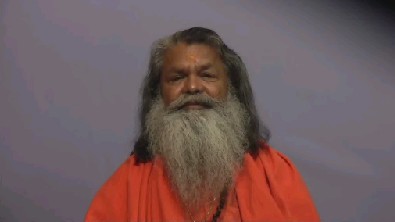
A spiritual discourse on the five sheaths (kośas) and the obstacles of attachment.
"In the vijñānamaya kośa, when there is attachment interspersed with 'my' and 'thy,' then this love among brothers or friends changes."
"Cintā (worry) and Tṛṣṇā (longing), both, have occupied this castle of our kośas... they will destroy the whole palace."
Swami Ji explores how subtle attachments within the layers of self, from the physical to the bliss sheath, distort relationships and create suffering. He illustrates this with a parable of two brothers and a mango, showing how unconscious bias fractures unity. The talk emphasizes the need for viveka (discernment) and concludes by advocating for surrender at a spiritual shelter to dissolve worry and desire.
American
Australian