
European
How do we practice Bhramari?
0:40 - 0:59 (19 min)
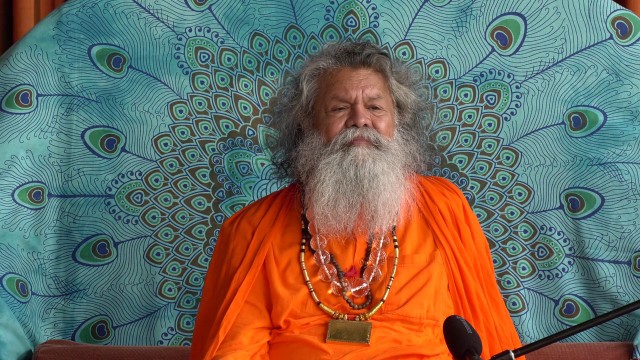
A teaching session on breathwork and the Brahmari technique.
"You are very good persons, and you must practice every day." "You should do only three practices: on the chest, on the heart, in the navel, and then Brahmari."
A spiritual teacher instructs a group on daily breathing practices, using the analogy of a varied meal to explain the need for different techniques. He outlines a sequence focusing on the heart and navel, details methods of inhalation and exhalation through the nose and mouth, and gives specific guidance on practicing the Brahmari sound. The talk includes practical warnings about social settings and concludes with an encouragement to practice at home.
Filming location: Vép, Hungary
How the worm becomes Bhramari
1:05 - 1:49 (44 min)
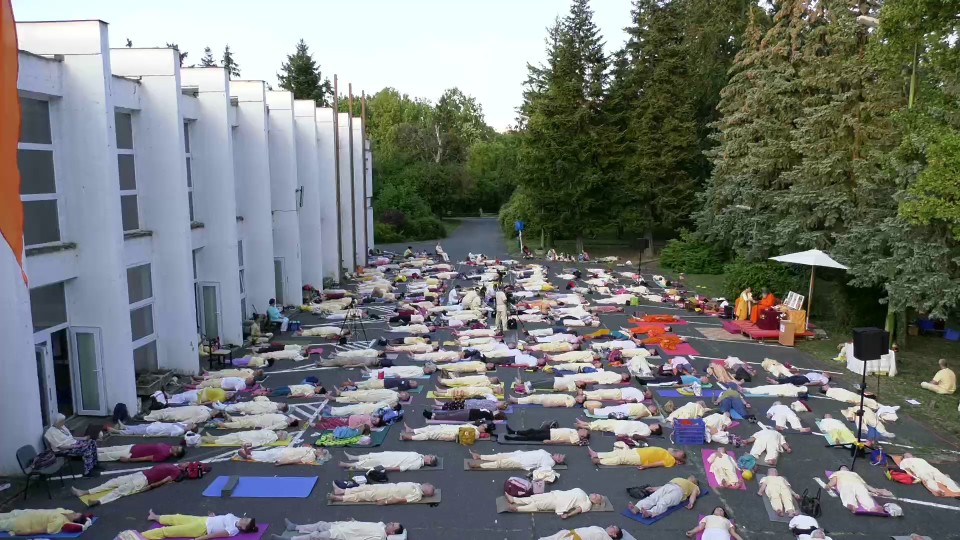
Evening satsang with Vishwaugurji from Vep, Hungary. Relaxation. Concentration on the navel and the heart. There are three different forms of bhramari. They have the same voice. One of them lives on the earth the second builds their nest in our house. They can bite us. The nest of bhramari is very comfortable. they bring worms there. Slowly slowly the worm transforms into a bhramari. We should practise bhramari only for short time.
Practice with concentration
1:55 - 3:09 (74 min)
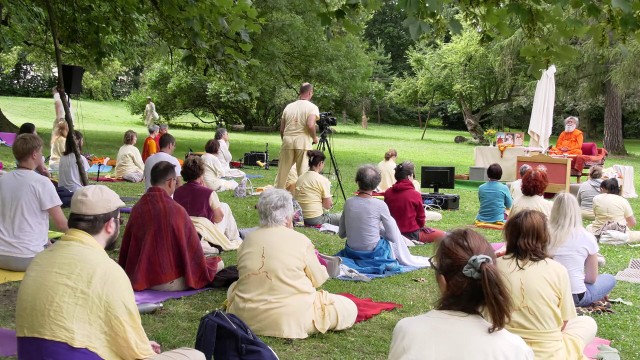
Morning satsang with Vishwaguruji from Strilky Ashram, Czech Republic. Practising Bari Khatu Pranam relaxation. Explanation of the sound and movement of bhramari. The story of how a bhramari makes a worm to bhramari. Many things we learnt from nature. Practising bhramari pranayama. We can feel the vibration of bhramari in the Sanskrit language. During bhramari we can feel the vibration in the navel in our head and the chest. We were informed about the last 12 months' program of the International Madhawananda World Peace Council.
Why are we making war?
3:15 - 4:38 (83 min)
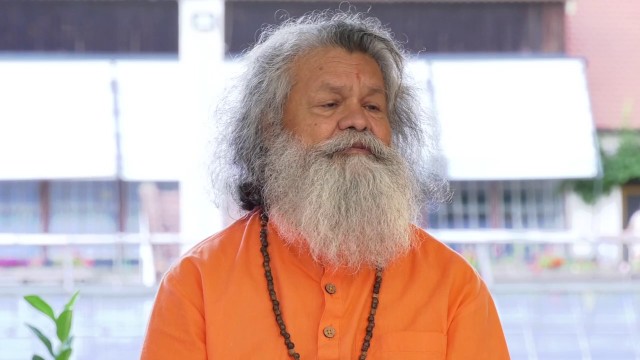
Evening satsang with Vishwaguruji from Strilky Ashram, Czech Republic. Why do we come here, sometimes from very far distances? Because we want to become better humans. We shouldn't be fighting wars and killing. This is also the teaching of Jesus. Many people do not understand this and follow their own will. The explanation of the meaning of the traditional welcoming hand gesture when the two palms meet.
The teaching of a Guru is for ever
4:45 - 6:01 (76 min)
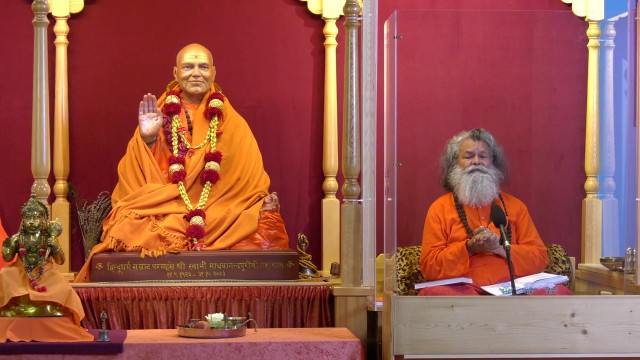
Guru Purnima celebration from Vienna, Austria. Siva was the first living being in the Earth. The story of a photograph what shows a Rishi in the Himalayas. Australian inhabitants are originated from India. British people were very cruel to them. Explanation of bhajan Sataguru Alakapurijji avo. The story of a boy and a girl who married but they had a problem with the hard part of the bread. The story of the river Alakhananda. Practising bhramari and bhujangini pranayama.
We come and go
6:05 - 6:51 (46 min)
A spiritual talk and community address in a holy place after a long absence.
"After a long time, we are again here—nearly about three years or a little more. We were all very much thinking about when we would come here for our practice, yoga, etc."
"The memory, the memory remains... But they are gone. Their body is gone. But they remain. What? Their name. Their name. And this name remains forever."
Swami Maheshvaranandji addresses a gathering, reflecting on the long-awaited return to a sacred location and honoring the legacy of devotees like Krishnananda. He discusses the eternal nature of the Guru's name, the human journey from animal-like origins to spiritual awareness, and offers guidance on diet, dress, and the importance of practice for health and spiritual growth. The talk includes personal observations and calls for communal participation.
Filming location: Vép, Hungary
Longing for God
6:55 - 7:54 (59 min)
Morning satsang with Vishwaguruji from Rijeka Ashram, Croatia. Bhajan singing. We should be careful with our bodies and we should live very healthily. Our practice is very important and also our good food. We are really yogis. We have learnt many things that are really important in yoga. Real yogis should practise yoga every day. We help other people to become spiritual. Some people eat cats and kill them in a very cruel way. We should feel every creature in our hearts. The story of a man who wanted to see God. The story of an Indian lady living near Rupavas who became a holy person. The other story is of a woman in Gujarat who doesn't eat and doesn't drink anything.
Practicing of the system 'Yoga in Daily Life', Level 3 - Part 2
8:00 - 9:07 (67 min)
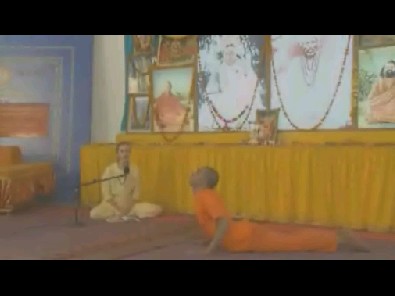
Practicing of the system "Yoga in Daily Life", Level 3 - Part 2, in Om Vishwa Deep Gurukul Swami Maheshwaranand Ashram, Jadan, Rajasthan, India on 27th of October 2009.
We should live in real love
9:15 - 10:03 (48 min)
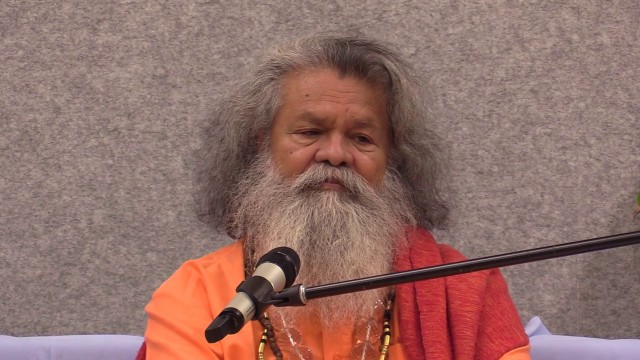
Morning satsang with Vishwaguruji from Trentwood Community Hub, Melbourne, Australia. Marriage means merge. It is a very beautiful ceremony. The story of a boy and a girl who married but they had a problem with the hard part of the bread. Married couples should live whole life happy together but kali yuga changed many things. Love is that where we are all happy healthy and helping each other. Explanation and singing of bhajan Sataguru satasangi and Sobavo satasangari.
Bhajans from Strilky Ashram
10:10 - 11:44 (94 min)
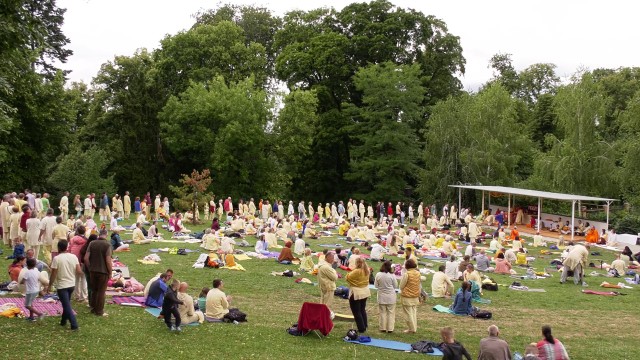
Morning satsang from Strilky Ashram, Czech Republic.
Ayurvedic medicine for joints
11:50 - 12:44 (54 min)
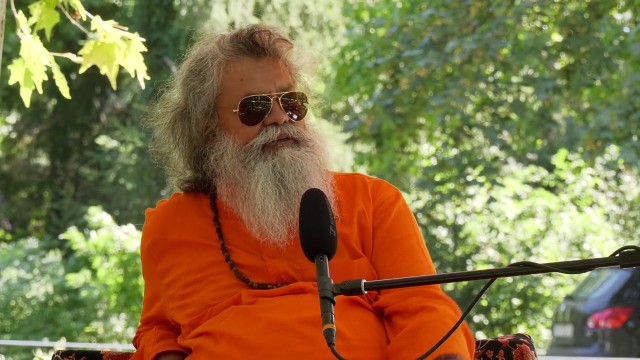
Morning satsang with Vishwaguruji from Vep, Hungary. Bhajan singing. Relaxation. There are some spices which are very good for joints like ginger and garlic. Agnidevi shows an ayurvedic medicine which is good for joints. She speaks about the ingredients and the preparation of that medicine. Vishwaguruji and Agnidevi answered some questions connecting this medicine. We should make it for ourselves and give it further. Its effect appears after two or three months.
Respect the life of other creatures
12:50 - 13:38 (48 min)
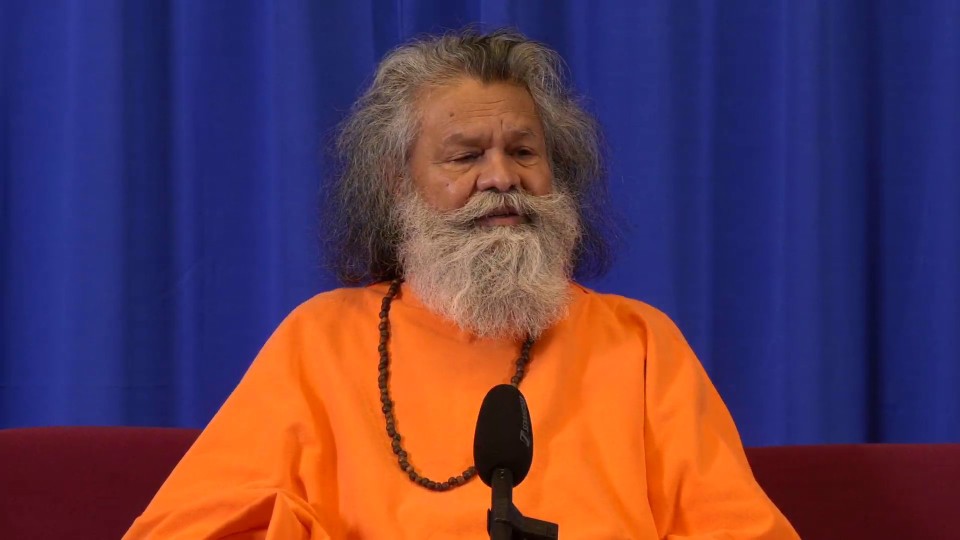
A satsang discourse on compassion, non-violence, and spiritual practice.
"All who are sitting with us are already in satsaṅg. 'Sat' is truth, peace, harmony, goodness—everything."
"Jīva jīva bhakṣate. Every animal eats animals, but we humans should not."
The lecturer addresses the gathering, explaining the essence of satsang as communion in truth. He uses metaphors of a ship and an airplane to illustrate the unity of all life, emphasizing that the soul (ātmā) is in every creature. The core teaching is a call for ahimsa (non-violence), urging humans to not kill other beings for food, contrasting human potential with animal nature. He discusses the challenges of Kali Yuga, advises against alcohol misuse, and clarifies protocols for offering garlands to guru photographs.
Filming location: Salzburg, Austria
The Miraculous Heart
13:45 - 14:06 (21 min)
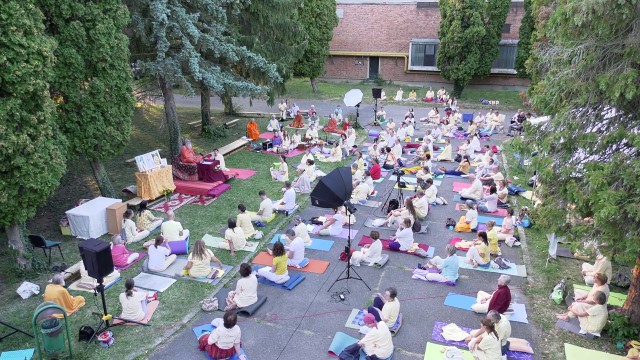
Evening satsang with Vishwaugurji from Vep, Hungary
Practising with Vishwaguruji
14:10 - 15:00 (50 min)
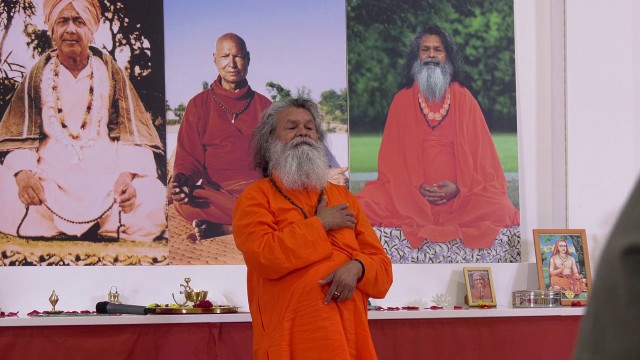
Evening satsang with Vishwaguruji from Rijeka Ashram, Croatia. Concentration on the heart and navel in a standing position. Practising asanas also in a standing position. Practising bhramari pranayama.
We have to be in unity
15:05 - 16:01 (56 min)
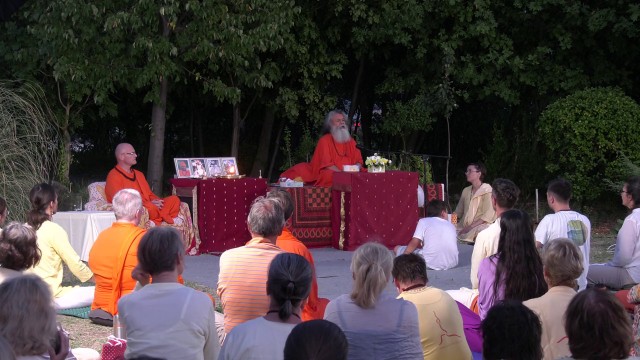
Evening satsang with Vishwaguruji from Rijeka Ashram, Croatia. We are different, but we are all going to the same destination. More and more people are following a vegan lifestyle, and you can see it on the planes. I have many students around the world who are practicing and meditating. Our goal is to achieve oneness, but we rarely do. Otherwise, duality remains. We have to achieve it within ourselves. We must all be good and peaceful, in unity.
Gurudev bring us haven to haven
16:05 - 16:54 (49 min)
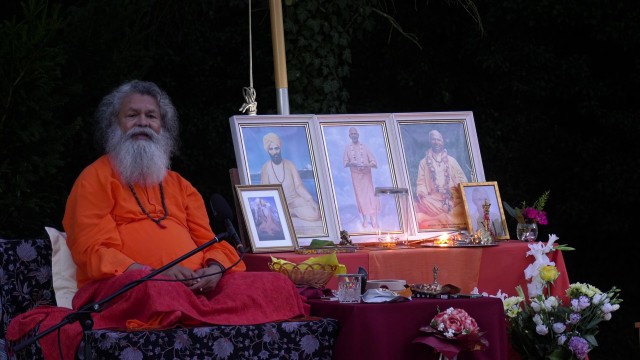
A spiritual discourse on the guru principle and the practice of Brahmārī.
"Above them is the guru. That guru, even Śiva."
"Everybody who is giving us something is our guru."
A teacher leads a satsang, offering a meandering talk on the nature of the true guru, placing it above even the Hindu trinity. He discusses the ambiguous concept of 'Brahmārī,' linking it to spiritual centers, creatures, and Sanskrit pronunciation, and gives fragmented instructions for a breathing technique involving the heart and navel. The talk blends personal anecdotes about his lineage with philosophical musings on gender and existence.
Filming location: Vép, Hungary
We should have a flame
17:00 - 17:56 (56 min)
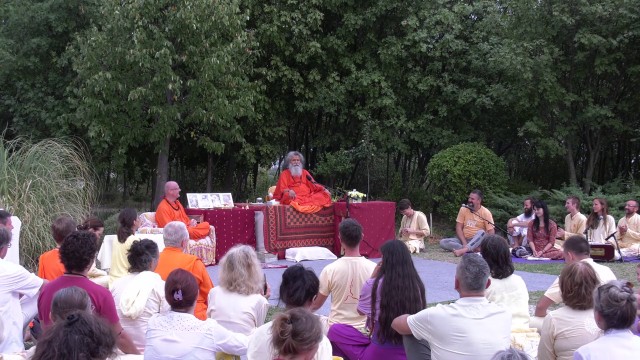
A spiritual discourse weaving personal anecdotes with teachings on discipline, the guru-disciple relationship, and reverence for all life.
"Those who are awake and active during Brahmamuhūrta become very spiritual; everything comes to them."
"We are all a lamp... as long as there is oil, the flame will come."
The speaker recounts childhood lessons from his Gurujī about the spiritual importance of the pre-dawn hour and shares stories of other disciples, like Phoolpurījī, to illustrate the transformative power of a guru's guidance. He expands into a metaphor of the individual soul as a flame, emphasizing interconnectedness, and concludes with reflections on non-violence, compassion for all creatures, and the sanctity of Mother Earth, referencing the conduct of Buddha and the perceived moral decline of modern times.
Filming location: Rijeka, Croatia
Find God within
18:00 - 18:52 (52 min)
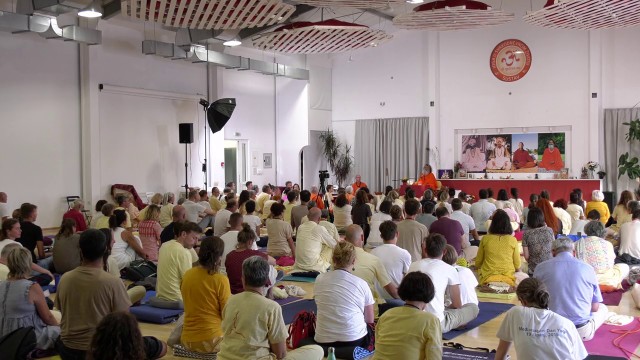
Evening satsang with Vishwaguruji from Rijeka Ashram, Croatia. Nowadays, people lose their teeth quickly.We should get back to nature again. There are many things in nature that can improve the health of teeth as well. Violin music and singing for the soul. We must find God within ourselves. The story of an American practitioner and the very beginning of the OM Ashram.
Around the world - Opening of new YIDL center in Ptuj, Slovenia
19:00 - 19:38 (38 min)
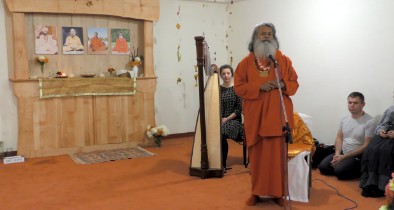
A ceremony marking the 25th anniversary of a yoga center and its inauguration as an ashram in Ptuj.
"Yoga in Daily Life is the authentic school of yoga from India. We, the teachers... carry this out as our mission. We do this voluntarily; we do not make a business of yoga."
"Yoga is the science of body, mind, and soul. Two very important things to know are yoga and Āyurveda."
A representative of the yoga center opens by recounting its 25-year history of community service. Swami Maheshwarananda (Swamiji) then delivers the main address, blessing the new ashram. He speaks on the ancient origins and holistic benefits of yoga and Ayurveda, sharing the story of Hanuman from the Ramayana to illustrate a point. The Indian Ambassador and local officials also offer congratulations. The event includes a mantra chanting and the presentation of a Shiva Lingam to the center.
Filming locations: Ptuj, Slovenia.
Bhajans from Slovenska Vas
19:45 - 20:29 (44 min)
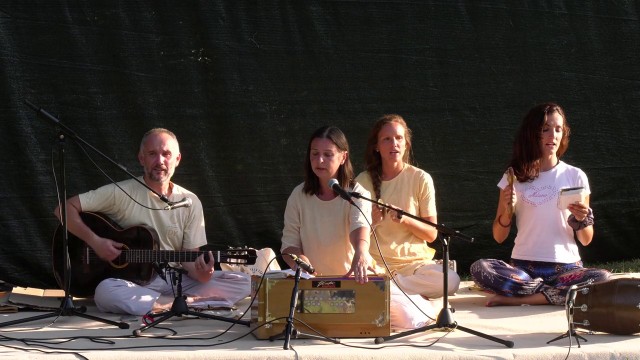
Evening satsang from Slovenska Vas, Slovenia.
The drop returns to the ocean
20:25 - 20:39 (14 min)
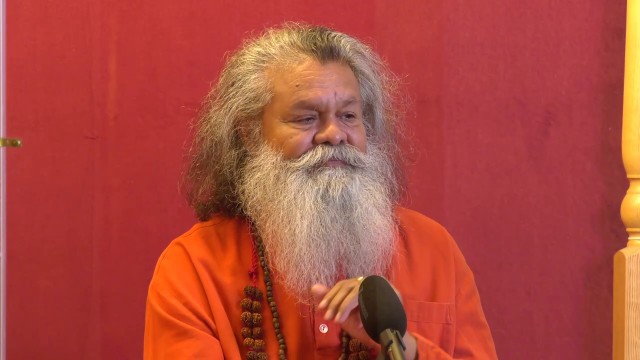
A spiritual talk on the practice of Brahmari pranayama and the nature of human life.
"Brahmari is very great. It is for the soul. And the whole brain—the whole brain—and it comes out the other side."
"Practice is where we are practicing, really, really... These Brahmari practices and these few things must be very, very, very good, everything."
A teacher addresses a gathering, offering guidance on the correct, pressure-free method for the humming bee breath (Brahmari), warning against overly long sessions. He shares personal reflections on inconsistent practice due to travel, then expands into broader themes of impermanence, using metaphors of birth, death, and a drop returning to the ocean to illustrate the soul's journey and the pursuit of purity.
Filming location: Vienna, Austria
Releasing the knots of the heart
20:35 - 21:11 (36 min)
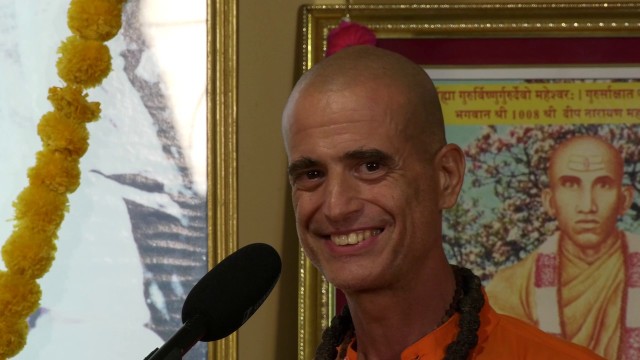
A spontaneous satsang talk by Swami Haripuri, sharing his personal journey and insights from ashram life.
"Life is not to give you joy. Life is to teach you."
"Once you remember this, of being present, you see that you are more calm, you are more centered, you are more relaxed."
Swami Haripuri recounts his spiritual journey, beginning with his arrival in India in 1996 and his subsequent training in Jadan. He describes years of intense seva and learning across various ashrams, including Kailash and Nepal, focusing on the challenges and lessons of community living. The core of his talk is an honest self-analysis of his own stubborn patterns, particularly a fear of negative responses that hinders communication. He emphasizes using daily life and seva as a "real playground" for self-understanding, breaking karmic patterns, and practicing presence.
Filming location: Jadan, Rajasthan, India
Part 1: The Awakening of Consciousness: Kuṇḍalinī and Cakras
21:15 - 23:09 (114 min)
A lecture on Kundalini, chakras, and the science of yoga.
"Yoga is not a religion, it is not a philosophy, it is not a dogma, but it is the eternal principle in this universe, like the cosmic consciousness itself."
"The awakening of the Kuṇḍalinī is a divine process; you don't feel it as a physical sensation. You feel happy, as if in the lap of the mother."
Swami Maheshwarananda delivers an extensive discourse on the awakening of consciousness through Kundalini and the chakra system. He explains yogic anatomy, including the 72,000 nāḍīs (energy channels) and the major chakras, describing their roles in physical, mental, and spiritual development. The talk covers the interplay of mind, intellect, and subconscious impressions, the importance of dharma, and the ultimate goal of uniting individual consciousness with the Cosmic Consciousness.
Filming location: Zagreb, Croatia
We are only one
23:15 - 23:55 (40 min)
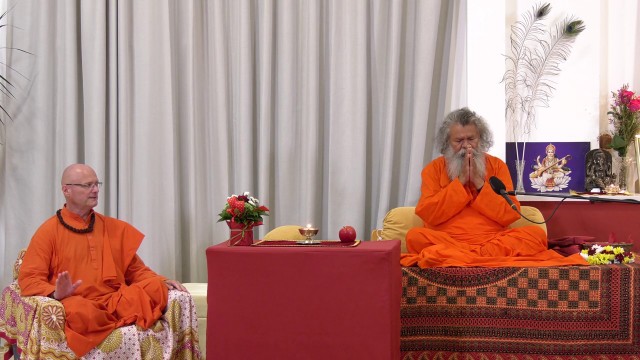
Evening satsang with Vishwaguruji from Rijeka Ashram, Croatia. We are the ones who are in this hall. When we come together and meditate we radiate good energy to each other. People who left our system sooner or later will come back because of the attraction of our energy. we should say good or bad if we get a question. We should be alert. Many people practise Yoga in Daily Life in Croatia. You and I are one in my heart.
American
Australian