
European
Tvameva Mata Ca Pita Tvameva
0:15 - 1:31 (76 min)
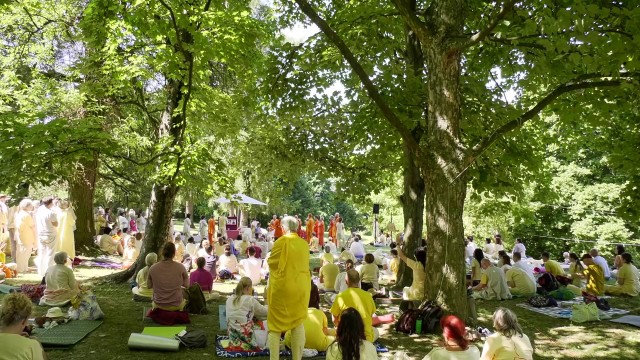
Morning satsang with Viswhaguruji from Strilky Ashram, Czech Republic. Bhajan singing from Strilky. Including He Nata Aba To, Itna to Karana Guruji
Yoga burns away karma
1:35 - 2:20 (45 min)
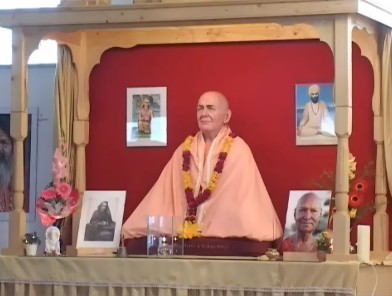
Satsang from Strilky, Czech Republic in August 2005.
Try to live in a natural way
2:25 - 3:27 (62 min)
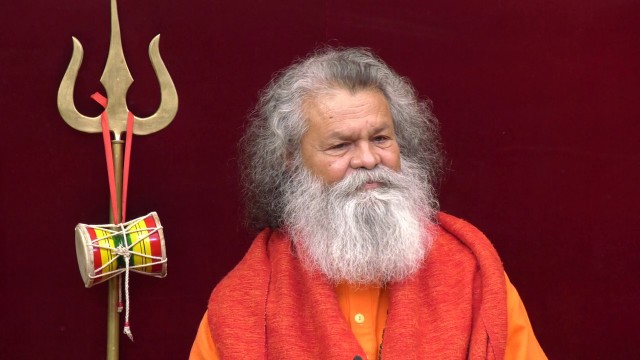
A satsang discourse reflecting on an eight-month spiritual retreat (Anushthana) and sharing teachings on health and lifestyle.
"In this Kali Yuga, yoga is coming more and more to bring light and peace."
"Mahāprabhujī said, 'A man should not drink tea and coffee. Coffee is bad for both male and female liver, and tea, for men, will make it difficult to have a child.'"
Swami Vishwaguruji addresses a global audience, recounting the recent eight-month Anushthana at the Sattva ashram in Střílky. He discusses the ashram's holy history, the importance of satsang, and shares traditional teachings from Mahāprabhujī and his own Guru on diet, health, and disciplined living. He contrasts modern habits with a purer past, advocating for simple food, periodic fasting, and a return to family and home. The ashram's president then offers thanks, noting the pandemic allowed for an extended, blessed stay with Gurudev.
Filming location: Bari Khatu, Rajasthan, India
Advice for good health
3:35 - 4:43 (68 min)
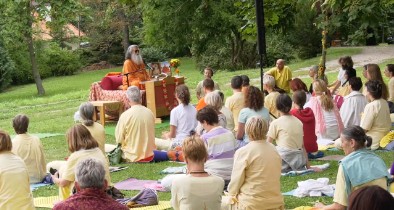
A satsang on Haṭha Yoga practices and natural wisdom, blending personal anecdotes with traditional teachings.
"Gurujī said, 'I am now in Mumbai, and I am going tomorrow morning by train. What is the constellation? If it is not good, then should we stop the train?'"
"Better to die, but with the salt. Yes, so Āyurveda, and Āyurveda is saying senda salt."
The lecturer leads the session, sharing stories about his Gurujī and the practical applications of Haṭha Yoga. He explains the importance of salt for health, details cleansing techniques like netī and kuñjal kriyā, and emphasizes learning from nature, illustrated by a folk tale about the origin of ocean salt. The talk connects yogic purification with Āyurvedic principles found in plants and natural elements.
Filming location: Strilky, Czech Republic
Chakras and Nadis
4:50 - 5:53 (63 min)
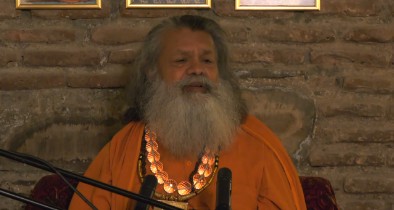
A spiritual lecture on the Mūlādhāra chakra and the nature of haṭha yoga.
"Haṭha means that you try very hard; you use willpower. We must have the willpower to achieve something. Don't give up. Try, try, try."
"Therefore it is: renounce and enjoy. If you want to be happy, if you want to enjoy life, then renounce."
A teacher explains the foundational Mūlādhāra chakra as the root of energy and the seat of the dormant Kuṇḍalinī. He details the three primary nāḍīs (Iḍā, Piṅgalā, Suṣumṇā) and defines true haṭha yoga as the forceful application of willpower for spiritual union, distinct from common physical practice. Through stories—including an ant's perseverance and a Haṭha Yogī who renounces even Śiva's offer—he emphasizes themes of relentless practice, renunciation of desire, and the ultimate goal of awakening energy to unite with divine consciousness.
Filming locations: To be determined.
Practising fifth level of Yoga in Daily Life System
6:00 - 7:26 (86 min)
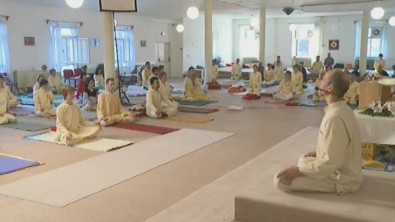
Morning practising. Fifth level of the System" Yoga in Daily Life" from Mahaprabhudeep Ashram, Strilky, Czech Republic on 9th of July 2010.
Holi Festival
7:30 - 8:04 (34 min)
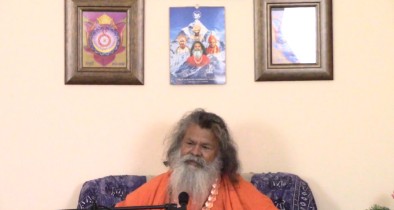
A discourse on the mythological story of Prahlāda and Narasiṁha, explaining the origins of the Holi festival.
"There is a God, whether one believes or one doesn't believe. God incarnates, and there are two kinds of God's presence."
"The story we are discussing is from several million years ago. Long ago, there was a king who went to the forest to perform austerities to realize God."
The speaker narrates the tale of the demon king Hiraṇyakaśipu, who obtained a powerful boon and declared himself the only god. His son, Prahlāda, remained a devoted devotee of Lord Viṣṇu despite the king's violent attempts to kill him. The story details Prahlāda's miraculous survivals and culminates in the appearance of the Narasiṁha Avatāra from a pillar to kill the king at twilight, fulfilling the conditions of the boon. The discourse connects this to the celebration of Holi, marking the burning of the king's sister, Holikā.
Filming location: USA
Real health comes from Nature
8:10 - 9:09 (59 min)
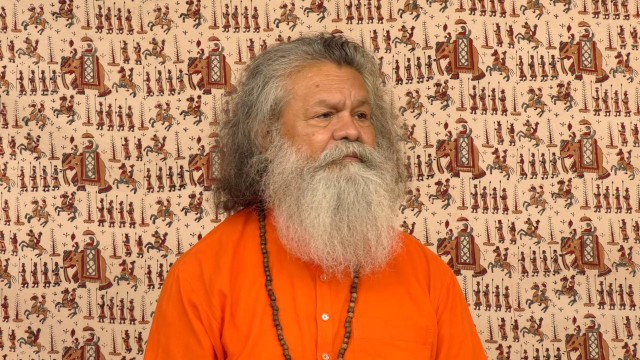
Evening satsang with Vishwaguruji from Strilky Ashram, Czech Republic. We all fight illness. We used to have less physical problems. Medical treatment can make us symptomless, but it often doesn't cure the illness. Real health comes from nature. Many people suffer from stomach problems, which can be solved by simple physical exercises. Demonstration of some of these exercises.
Try to know what we should do
9:15 - 10:06 (51 min)
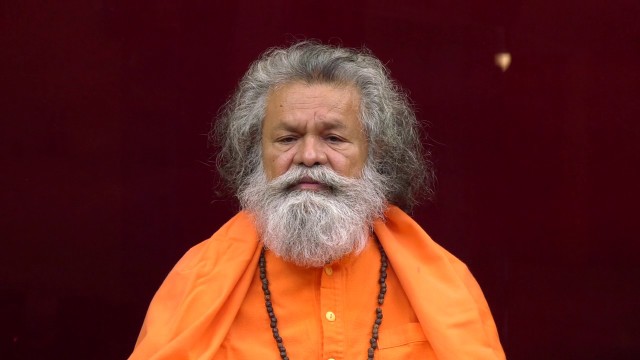
An evening satsang on the soul's journey and human responsibility.
"Life in which the soul—the soul cannot say yes or no. It is coming like a bird in a nest, sitting in the nest. In the morning it will fly out."
"Our soul is the same, be it in humans, animals, birds, or fish. Each one has a life, and we should not disturb the life of anyone."
The lecturer addresses a global audience, explaining the nature of the soul (jīva) using metaphors of water droplets and a bird in a cage. He discusses the cycle of life, death, and rebirth, emphasizing ethical conduct, compassion for all beings, and the soul's liberation from the physical body. The talk includes anecdotes and reflections on modern life.
Filming location: Strilky, Czech Republic
We are on the path of Alakh Puriji
10:10 - 10:45 (35 min)
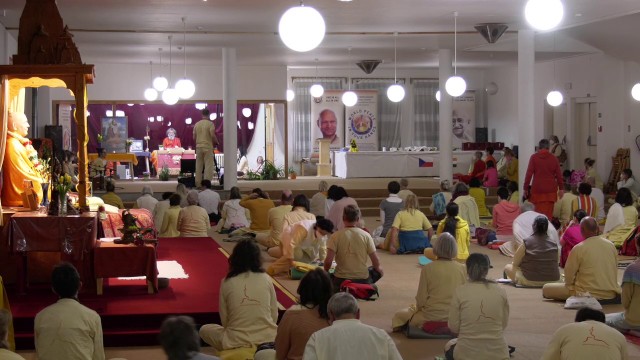
World peace prayer with Vishwaguruji from Strilky Ashram, Czech Republic. Vishwaguruji speaks about the previous three months that he spent in India. Our yoga people are continuously practising their physical and spiritual sadhana. Very many people feel the good effects of bhramari pranayama. Vishwaguruji shows some variation of bhramari pranayama. We shouldn't give it further until we are don't know it properly. The vibration is started in the navel and goes up to the head. It is very good if the mother and the father are going on the same path. We are on the path of Alakh Puriji. We should pray before sunrise and sunset.
The Holy Land
10:50 - 11:42 (52 min)
An explanatory discourse on the significance and organization of the Kumbh Mela at Prayagraj.
"Prayāgarāj is considered the king of all holy places, where many ṛṣis reside and numerous yajñas have been performed."
"The Mahāmaṇḍaleśvaras are designated solely to look after all sannyāsīs and ashrams... to solve their problems, protect them, look after them."
The speaker describes the sacred origins of Prayagraj (Allahabad) as a nectar-drop site and a river confluence. He details the annual and quadrennial Kumbh Melas, their timing at Makar Saṅkrānti, and the purposes of pilgrimage, ritual bathing, and societal discourse. The talk concludes with an explanation of the administrative structure established by the monastic orders (akhāṛās), including the role of Mahāmaṇḍaleśvaras as caretakers and a governing committee that selects an Ācārya.
Filming location: Maha Kumbha Mela, India
Destiny is very mysterious
11:45 - 12:27 (42 min)
Satsang from Prague, Czech Republic, October 2005
Proudness
12:35 - 13:27 (52 min)
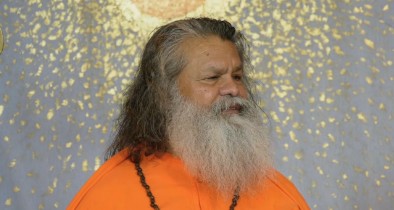
Satsang with Vishwaguru Maheshwarananda, Strilky ashram, Czech Republic.
The reality is within you
13:35 - 14:12 (37 min)
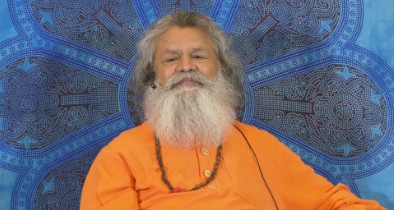
A spiritual discourse on discipline, grace, and the enduring nature of authentic practice.
"Yoga in Daily Life did not become different. That is its quality."
"Gurujī always said, 'Guru Kṛpā Hi Kevalam.' As long as you have the mercy, the Kṛpā, of Gurudeva, you will be on the good path."
The lecturer addresses a gathering, emphasizing unwavering discipline in spiritual practice and loyalty to one's guru. He explains the unique, unchanging quality of the Yoga in Daily Life system over decades, using the analogy of a single flame to represent the soul. The talk covers themes of oneness in Sanātana Dharma, the importance of family, and the need for inner work amidst life's impermanence.
Filming location: Vép, Hungary
Heaven and Hell
14:20 - 15:11 (51 min)
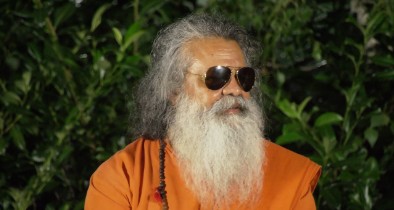
Evening satsang with Vishwaguruji from Strilky Ashram, Czech Republic. 'Gurudev, it is not me who is speaking, I am only an instrument.' Time is constantly moving. In reality, there is no time, only humans are counting. There are good, spiritual humans and then cruel people. Both will die. Heaven and hell are just temporary. Story of the Rishi who was meditating in the Himalayas.
Introduction to the science of Chakras
15:15 - 16:35 (80 min)
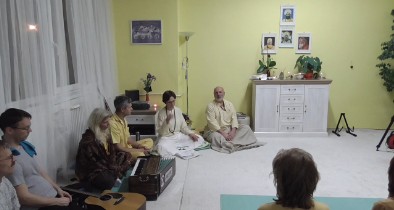
Introduction to Chakras, Presov, Slovak Republic. Muladhara stores much karmic information about us. What is dormant in Muladhara is sprouting in Svadisthana. This is the place of kriya shakti and iccha shakti. If we purify this chakra, half way to our final goal is behind us. Manipura is the powerhouse of our body. Anahat is the place of our feelings. Vishuddhi is the door to the astral world.
First is the Guru
16:40 - 17:32 (52 min)
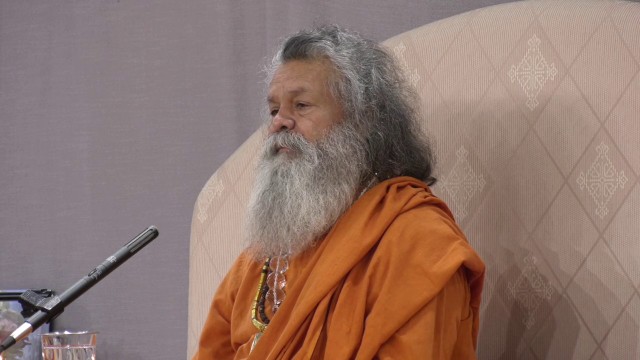
Evening satsang with Vishwaguruji from Zagreb, Croatia. In ancient times, rishis in their ashrams had many cows and their disciples had a job in the ashram. A Guru can notice if a disciple is a real follower or not. The story of Abhimanyu a very young disciple and his Guru and God. It is more than a simple story. In a satsang we all get energy. First is the Guru and then God. The story of Paramhansa Yoganand and his Guru when Yoganand went from India to America.
Overview of practicing yoga
17:40 - 18:28 (48 min)
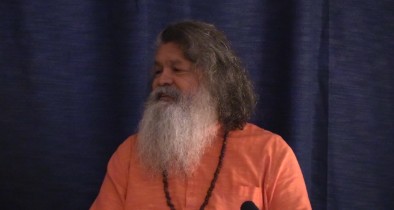
A lecture on the essence and practice of yoga in daily life.
"Yoga in Daily Life has eight steps and is very simple."
"Help is one of the best yogas... your soul, your life, your heart, and your body will bless you."
Swami Maheshwarananda (Swāmījī) delivers a talk on his global "Yoga in Daily Life" system. He clarifies the true meaning of Haṭha Yoga as the six purification techniques (ṣaṭkarma) and outlines the main paths: Karma Yoga (selfless service), Haṭha Yoga, Rāja Yoga, and Jñāna Yoga. He emphasizes daily practice, dedicating time for health and harmony, and explains specific techniques like Netī for sinus health.
Filming location: Auckland, New Zealand
This ashram is your work
18:35 - 19:10 (35 min)
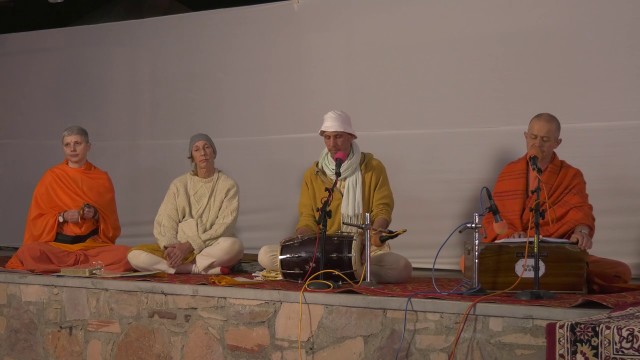
Evening satsang with Vishwaguruji from Jadan Ashram, Rajasthan, India. Bhajan singing. Welcoming words from Vishwaguruji. I was so happy how we made this Ashram, people from many many countries. Indian people are also coming and see how great it is.
Build your intellect supportive
19:15 - 20:31 (76 min)
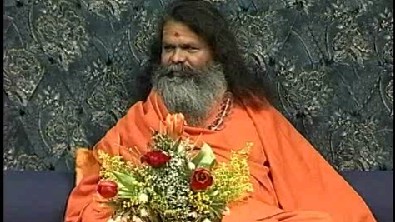
Lecture by Swamiji from Vep, Hungary, February 2001
Become one with the energy of Bhagawan
20:35 - 21:08 (33 min)
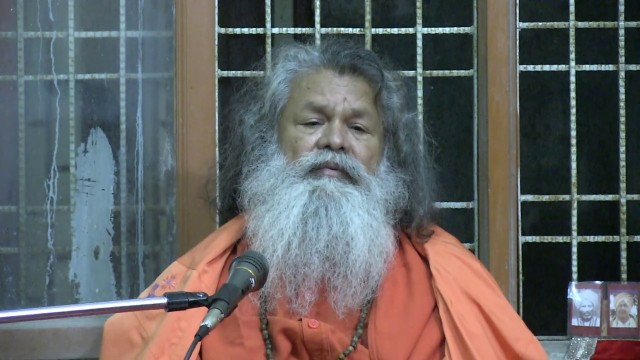
A spiritual discourse on pilgrimage and devotion delivered at Badrinath.
"All dear ones, you are, luckily, ātmā—soul. You are engaged in such a sādhanā... that you could come here to Badrī Viśāl, to Bhagavān Badrināth."
"In India it is like that... in a diamond mine there is only diamond; in a white stone quarry there is only white stone."
A spiritual teacher addresses a group of pilgrims at the Badrinath temple. He explains the rarity and merit of completing such a pilgrimage, using the metaphor of a cherry tree where few blossoms survive to become ripe fruit. He contrasts ancient, arduous pilgrimages with modern travel, emphasizes the sacred energy of the site, and discusses themes of devotion, non-attachment (vairāgya), and India's unique spiritual status as Bhārat Mātā. The talk includes references to the Kedarnath flood as a divine lesson and concludes with an invitation to daily satsang.
Filming location: India
Search for direction
21:10 - 21:29 (19 min)
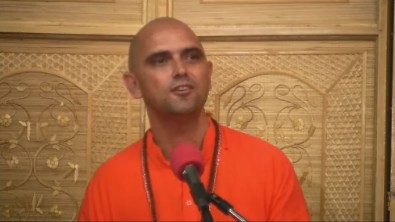
Satsang with Swami Jasraj from Jadan Ashram, Rajasthan, India.
Sri Deep Narayan Mahaprahuji
21:30 - 21:37 (7 min)
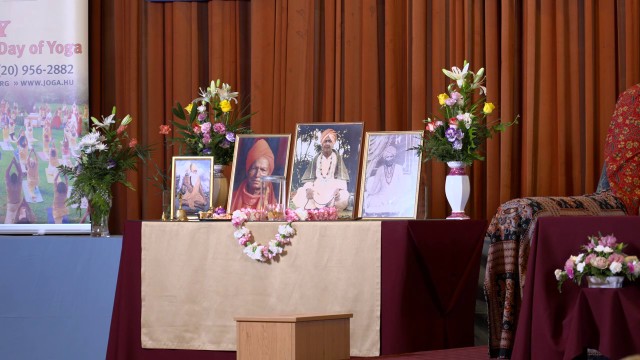
A devotional discourse on the power of the divine name and Guru's grace.
"For the beings of the world—the jīvas and jinn—His name itself is the boat to cross the ocean of existence."
"By always contemplating His name with grace, desire, anger, and greed are cut down."
The speaker offers praise to Śrī Dīp Nārāyaṇa Mahāprabhujī, described as a divine incarnation. The central theme is that constant remembrance and contemplation of this divine name serves as a vehicle for liberation, protecting devotees from worldly afflictions and illusion, and immersing them in divine absorption. The Guru's grace is presented as the essential means for this crossing.
Filming location: Vép, Hungary
Dhyan Karo
21:45 - 21:57 (12 min)
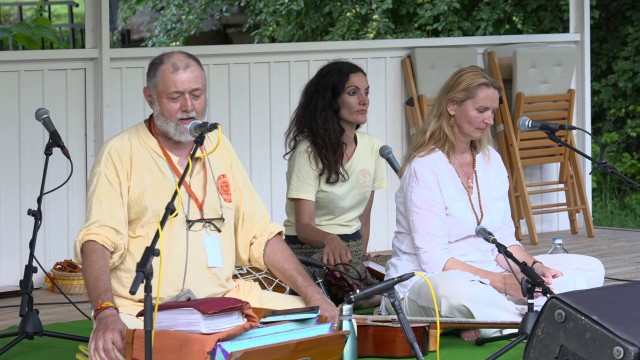
Evening satsang with Vishwaguruji from Strilky Ashram, Czech Republic. Bhajan singing from Strilky, including Dhyan Karo and Kyu Rakhte Ho Parada Ham Se
Ab Sop Diya Is Jivan Ka
22:05 - 22:20 (15 min)
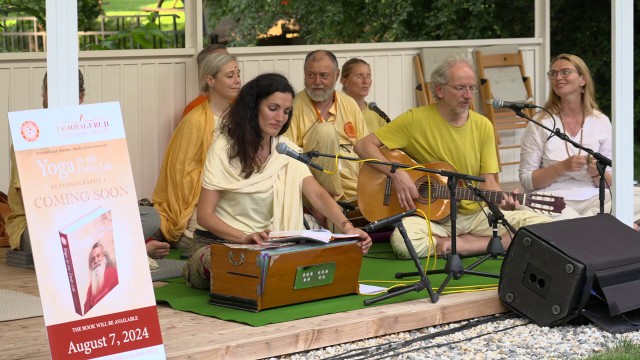
Evening satsang from Strilky Ashram, Czech Republic. Bhajan singing fron Strilky. Ab Sop Diya, Aba Hama
Without Gurudev the whole world cries
22:25 - 22:41 (16 min)
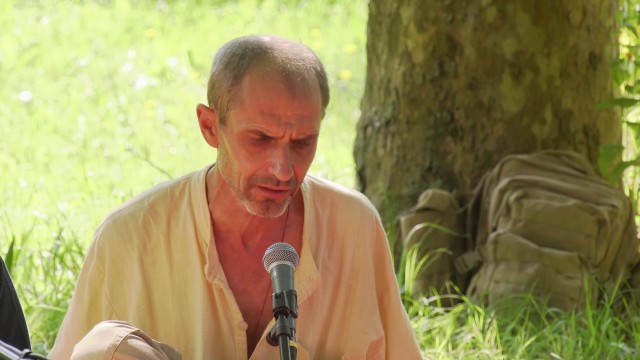
A devotee shares an interpretation and sings a devotional bhajan.
"I was wandering around the world. I searched the entire world but could not find a friend like Gurudev."
"Satguru āye, mera mana harṣāye. Dhanyabhāga mere Satguru āye. (My Satguru has come, my mind is delighted. Fortunate am I, my Satguru has come.)"
The speaker expresses a deep longing for the Guru, offering a personal interpretation of a hymn's meaning before clarifying it is not a proper translation. He then sings the bhajan "Dhania Bagha Mere Sat Guru Aya," which praises the arrival of the Satguru and the joy and liberation it brings. The session concludes with extended devotional chanting.
Filming location: Vép, Hungary
Cetana Ka Cilka Swami Ne
22:45 - 23:11 (26 min)
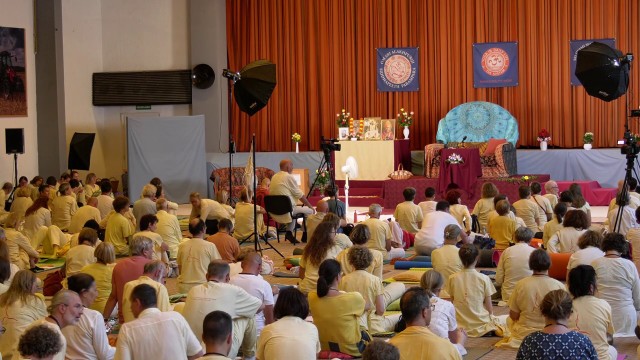
Evening satsang from Vep, Hungary. Bhajan singing from Vep.
Bhajan singing from Strilky
23:15 - 23:30 (15 min)
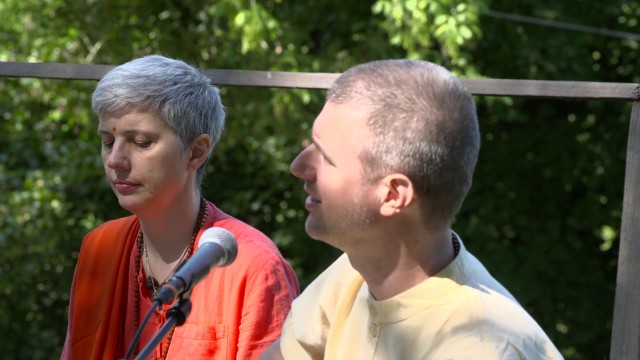
Morning satsang from Summer Yoga Retreat in Strilky, Czech Republic. Bhajan singing.
Bhajan evening from Strilky
23:35 - 0:14 (39 min)
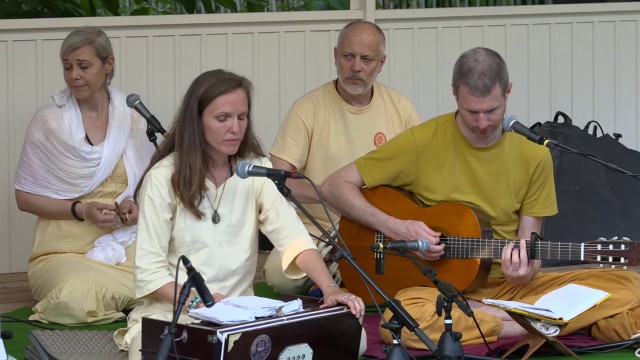
Evening satsang from Summer Yoga Retreat in Strilky, Czech Republic. Singing bhajan Sri Puja Deepa Dayalu Data, Sataguru Alakhpuriji Avo, Kya Tuma Jano Hala Hamara, Tera Sataguru Rakho Laj, Bhajo Re Manva
American
Australian